Top 10 Uses of Polythene Bags You Should Know?
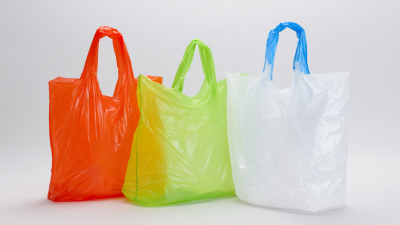
Polythene bags are ubiquitous in our daily lives. Their versatility makes them a popular choice for various uses. These bags are lightweight and durable, making them easy to carry.
Many people use polythene bags for shopping and packaging. They help keep items safe and organized. However, we must reflect on their environmental impact. While convenient, polythene bags contribute to pollution.
Understanding the different uses of polythene bags can offer insights into their benefits and drawbacks. From groceries to trash, these bags play significant roles. In this exploration, we will delve into ten noteworthy uses of polythene bags. Each use reveals a facet of our reliance on this material.
Common Uses of Polythene Bags in Everyday Life
Polythene bags are integral to our daily lives. They are lightweight and versatile, making them a popular choice for various uses. According to recent industry reports, the global demand for polythene bags reached approximately 39 million tons in 2022. This figure highlights their ubiquity in everyday activities.
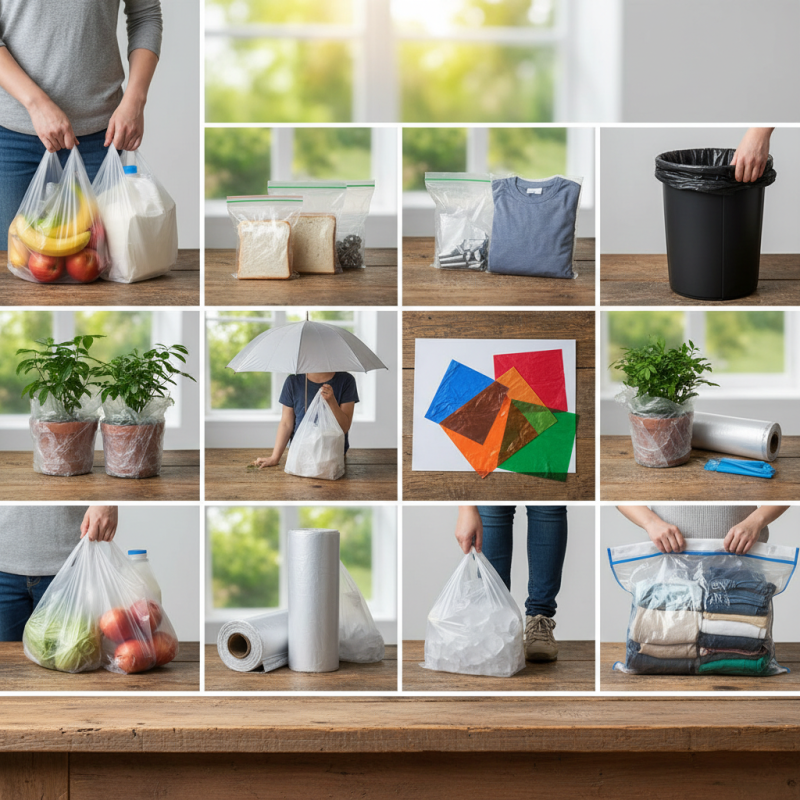
In grocery stores, polythene bags serve as convenient carriers for fresh produce and packaged goods. They are often preferred due to their durability and ease of handling. However, their single-use nature raises concerns. Many households frequently discard these bags, contributing to environmental challenges. About 30% of plastic waste comes from bags, showing a need for better recycling methods.
Polythene bags also play a role in food preservation. They help keep items fresh longer by providing a barrier against moisture and air. Despite this benefit, improper disposal leads to pollution. A staggering 1 trillion plastic bags are used each year worldwide, emphasizing the urgent need for sustainability. It’s essential to rethink our reliance on these bags and explore alternatives that minimize our environmental footprint.
Environmental Considerations and Recycling of Polythene Bags
Polythene bags are widely used, yet their environmental impact is significant. These bags are lightweight, durable, and convenient, but they pose serious threats to ecosystems. Many end up in oceans and landfills, taking hundreds of years to decompose. Marine life is particularly vulnerable, ingesting plastic debris, which can lead to severe health issues.
Recycling polythene bags is crucial but often overlooked. Only a fraction of bags are recycled properly. Many consumers lack awareness of local recycling programs. Contamination from food or other materials makes recycling even more challenging. Recycling facilities struggle to handle dirty bags or those mixed with other plastics. Public education on how to recycle effectively can help mitigate these issues.
Moreover, the production of polythene bags does not come without consequences. The resources used and the emissions produced during manufacturing are concerning. Alternative options, such as reusable bags, could help reduce reliance on polythene. Community initiatives promoting sustainability are essential. We need to rethink our habits and consider the broader impact of our choices on the environment.
Top 10 Uses of Polythene Bags
This chart illustrates the top 10 uses of polythene bags based on their frequency of use. The most common application is shopping bags, while other uses include packaging and waste disposal, among others. Understanding these applications can help in recycling and environmental considerations associated with polythene bags.
Innovative Applications of Polythene Bags in Packaging Industry
Polythene bags have transformed the packaging industry in remarkable ways. Their versatility allows for a wide range of applications, from food packaging to retail uses. According to a recent market report by Packaging Strategies, the global polythene bag market is projected to reach USD 4 billion by 2025. This growth highlights the increasing dependence on lightweight, durable materials in packaging.
One innovative application is in the food sector. Polythene bags are commonly used to package fresh produce. They maintain freshness while minimizing waste. However, the impact on the environment cannot be overlooked. Many consumers are now questioning the sustainability of these bags. An alarming statistic from Environmental Science & Technology suggests that about 1 trillion plastic bags are used each year worldwide. This raises concerns about pollution and landfill overflow.
Retail packaging also benefits from polythene bags. They provide a cost-effective solution for businesses. Many shops still rely heavily on polythene for carrying purchases. Yet, there is a growing movement toward alternatives. Biodegradable options are gaining traction, prompting discussions about the long-term viability of traditional polythene bags. The industry faces a dilemma: balancing convenience with environmental responsibility.
Creative DIY Projects Involving Polythene Bags
Polythene bags are often seen as waste, but they can be turned into creative DIY projects. One idea is to make a sturdy mat or rug. By cutting them into strips, you can weave a colorful pattern. It may take time, but the result is unique and functional. This project shows how something disposable can find new life.
Another fun use involves creating decorative flowers. Fold and twist polythene bags to form petals. You can paint or embellish them for added flair. These flowers can brighten up any space. They are also weather-resistant, making them perfect for outdoor decor. This project encourages creativity while also addressing sustainability.
Finally, consider crafting gift bags. Instead of buying new ones, repurpose old polythene bags. They can be sewn or glued into fun shapes. It feels nice to gift something you made. However, it's essential to think about the environmental impact of using plastic. Each project encourages a reflection on waste and creativity. Polythene bags can evolve from trash to treasure with a little imagination.