Top 5 Heavy Duty Floor Jacks for Sale You Should Consider?
When it comes to automotive maintenance, having the right tools is crucial. Heavy duty floor jacks are essential for anyone who works on vehicles. According to a recent report by Automotive Tool Experts, the heavy duty floor jack market is projected to grow by 5% annually. This is a clear indication of their importance in the industry. “A good floor jack is not just a tool; it's a lifesaver,” says industry expert Mark Thompson, emphasizing the necessity of reliability and strength.
Consider the safety features of heavy duty floor jacks for sale. Many users overlook the importance of weight capacity and stability. A weak jack can lead to accidents or damage. The right jack should lift safely and securely, ensuring peace of mind. In an industry where precision matters, choosing quality is paramount. Balancing between price and performance can be tricky.
As you explore the options, keep in mind the diversity of features available. Not all jacks meet rigorous standards, and some fall short when it counts. Research is vital. You want to invest in durability. heavy duty floor jacks for sale should be assessed on performance and reviews. Take the time to reflect on what suits your needs best.
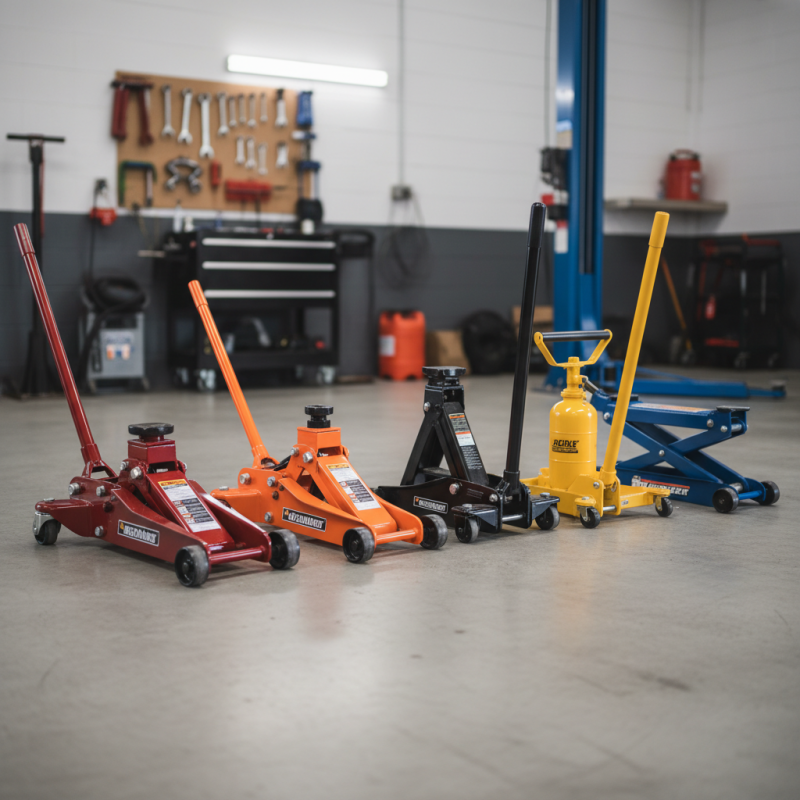
Top Features to Look for in Heavy Duty Floor Jacks
When choosing a heavy-duty floor jack, consider its weight capacity. A jack should comfortably lift your vehicle without strain. Look for a model that can handle at least 3 tons. This ensures safety and reliability during use. Don't underestimate the importance of stability. A wide base gives better support. Your jack should not wobble when lifting.
Next, check the lifting range. A good floor jack should raise your vehicle to a height that suits your needs. Shorter models might limit your working space. Hydraulic jacks offer fast lifting, but their mechanism can sometimes fail. Take time to test the pump. A smooth operation is crucial during emergencies. Pay attention to the material as well. Steel jacks are durable but heavier. Aluminum jacks are lighter but may not last as long.
Safety features are often overlooked. A built-in safety valve can prevent overloading. Some jacks come with locking mechanisms that add extra security. A level indicator is helpful too, ensuring the jack is positioned correctly. Consider your workspace. Not all jacks are easy to maneuver in tight areas. Ultimately, your choice should reflect your specific needs and preferences.
Understanding Load Capacity: What You Need to Know
When selecting a heavy-duty floor jack, understanding load capacity is crucial. Load capacity determines how much weight the jack can safely lift. It's not just a number; it's a safety measure. A jack with too low a load capacity can fail, causing accidents. Many users overlook this essential detail and may regret it later.
Consider your specific needs. For instance, if you need to lift heavy vehicles, aim for a jack with higher load capacity. A jack rated for 3 tons may seem sufficient, but larger vehicles may require more power. It's tempting to save money, but skimping on quality can be dangerous. Always check user reviews and experiences.
Moreover, the material and design play significant roles too. Some jacks are constructed from alloy steel, and others use aluminum. The durability can vary. A jack that seems lightweight might struggle under pressure. Stability is paramount. Sometimes, a jack that looks sturdy may wobble. Ensure that you choose one with a reputable frame design. Think twice before making a choice.
Comparison of Hydraulic vs. Mechanical Floor Jacks
When deciding between hydraulic and mechanical floor jacks, it's essential to understand their unique features. Hydraulic jacks use fluid pressure to lift loads. They typically handle heavier weights more efficiently. Reports indicate that hydraulic jacks can lift up to 3 tons or more. They offer smooth operation and require less physical effort from users. However, they can be prone to leaks and require regular maintenance. Users may find themselves dealing with failure if not properly cared for.
On the other hand, mechanical floor jacks depend on manual operation. These jacks often require a bit more muscle to operate. They are typically lighter and more portable, making them a popular choice for casual users. According to industry data, mechanical jacks generally lift loads of around 1-2 tons. They might not be as powerful, but they are less likely to malfunction. Their simplicity can be a double-edged sword. While easy to use, some may struggle with heavier vehicles.
Overall, the decision hinges on user needs. If lifting heavy loads is frequent, hydraulic jacks may be ideal. For occasional use, a mechanical jack could suffice. Each type has its challenges, and weighing their pros and cons can lead to a more informed choice.
Safety Standards and Certifications for Heavy Duty Floor Jacks
When selecting a heavy-duty floor jack, safety standards and certifications are crucial. A reliable floor jack must adhere to stringent industry protocols. According to the American National Standards Institute (ANSI), jacks must undergo rigorous testing to ensure they meet safety requirements. This involves evaluating load capacity, stability, and structural integrity.
Most reputable jacks will have specific certifications. These often include ISO certification, indicating compliance with international safety and quality standards. A report from the Occupational Safety and Health Administration (OSHA) highlights that insufficient attention to safety certifications leads to accidents. Operators should always check for these indicators.
An essential aspect is the jack's load rating. Jacks rated for 3 tons or more are commonly preferred. These can safely lift heavier vehicles, providing peace of mind during repairs. However, even certified jacks can fail if improperly used. End users must be educated on load limits. Misuse can lead to tragic outcomes, reminding us of the importance of adhering to guidelines and ensuring proper training for all users.
Top 5 Heavy Duty Floor Jacks - Load Capacity Comparison
Maintenance Tips for Longevity of Floor Jacks
Proper maintenance of floor jacks is crucial for ensuring their longevity. According to industry reports, nearly 30% of accidents related to floor jacks stem from improper use and lack of maintenance. Regular inspections can help identify issues early. The small, overlooked components often lead to significant failures. It's essential to check for leaks and corrosion on hydraulic seals.
Another important aspect is lubrication. Many users neglect this, which can cause friction and wear. A well-lubricated jack operates smoothly and effectively. Experts recommend using the right type of oil. Don’t forget the wheel mobility, either. Dirt and debris can accumulate there, hindering movement. Cleaning the wheels regularly helps maintain functionality.
Environmental factors also impact performance. Exposure to extreme temperatures can degrade materials. If a jack is left in high heat or freezing cold, it risks damage. Always store jacks in a controlled environment. Handling them with care is vital too. Dropping or mishandling a jack may cause irreversible harm. Regular maintenance can prevent these costly mistakes.