What is a Tandem Cold Rolling Mill and How Does It Work?
In the realm of metal processing, a tandem cold rolling mill plays a crucial role. This specialized equipment efficiently reduces the thickness of metal sheets. According to Dr. John Smith, a leading expert in metallurgical engineering, "The tandem cold rolling mill is the backbone of modern metal production." His insight highlights the importance of this technology in the industry.
tandem cold rolling mills operate by passing metal through multiple pairs of rollers. Each pass reduces thickness and enhances mechanical properties. Operators must monitor parameters closely. Achieving perfect results can be challenging. Sometimes, defects arise during the rolling process. These issues can lead to wasted material and increased costs.
Innovation in tandem cold rolling mills continues to evolve. New technologies aim to reduce defects and improve efficiency. However, industry professionals must remain vigilant. Continuous improvement is necessary. The journey of mastering the tandem cold rolling mill is ongoing. Experts see potential for great advancements in this essential field.
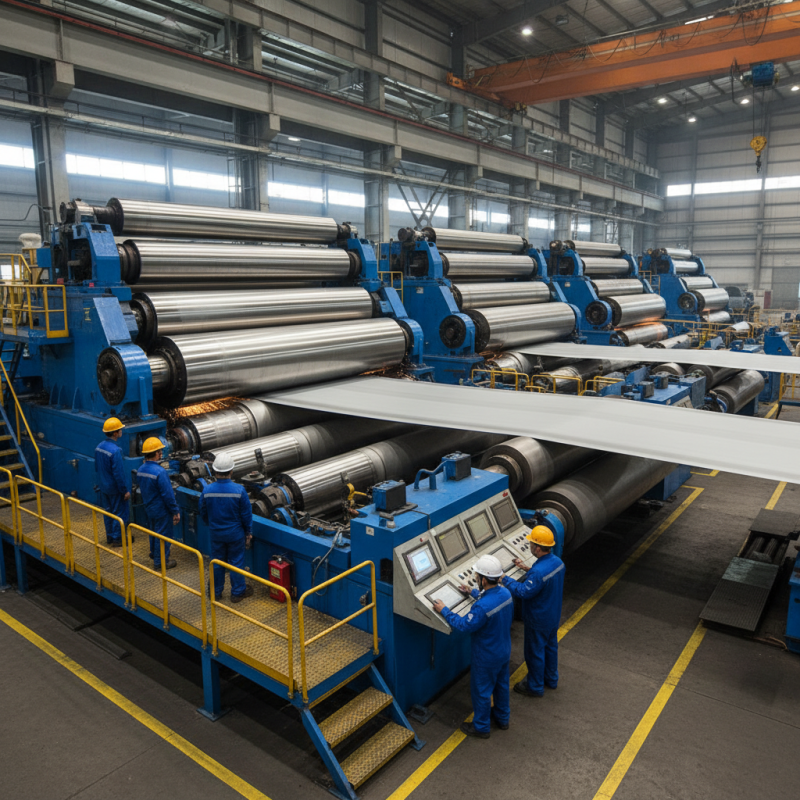
What is a Tandem Cold Rolling Mill?
A tandem cold rolling mill is a complex machine that processes metal strips. It consists of multiple rolling stands arranged in a line. Each stand reduces the thickness of the metal strip progressively. This method improves efficiency and reduces material waste. The design allows for higher production rates compared to traditional single-stand mills.
In the global steel industry, tandem cold rolling mills are crucial. Data from the International Steel Association indicates that these mills can achieve production speeds of up to 1,200 meters per minute. This capacity is essential for meeting high market demands. Moreover, they can enhance material properties, such as strength and surface finish. Improved designs have led to a drop in operational costs by nearly 20% over the past decade.
Despite these advantages, challenges remain. Not all mills achieve optimal performance due to maintenance issues. A report from the Metal Processing Society noted that unplanned downtime can exceed 15%, affecting overall productivity. Operators must focus on routine maintenance to minimize these losses. Balancing speed and quality is an ongoing challenge in the industry.
Key Components of a Tandem Cold Rolling Mill
A tandem cold rolling mill is a crucial component in metal processing. It consists of several rolling stands arranged in sequence. This setup allows for the continuous reduction of metal thickness. Each stand plays a specific role in shaping the material. The key components include the rolling stands, hydraulic systems, and control systems.
Rolling stands are essential in this process. They house work rolls that compress the metal sheets. Each stand improves thickness and surface finish.
Hydraulic systems provide the necessary force to bend and shape the metal. They must be reliable and efficient. Meanwhile, control systems monitor and adjust parameters in real-time. These systems ensure precision in thickness and quality.
Tips: Maintenance is vital for performance. Regularly check hydraulic fluid levels. Keep the rolling stands clean to prevent defects. Monitor temperatures to avoid overheating. Small oversights in maintenance can lead to larger issues later on. Be proactive in addressing potential problems. Every detail matters in the production process.
The Process of Cold Rolling in Tandem Mills
Tandem cold rolling mills play a crucial role in metal processing. They consist of multiple rolling stands arranged in sequence. Each stand reduces the thickness of metal strips progressively. This setup increases efficiency and lowers production costs. As the material moves through the stands, it becomes thinner and more uniform in thickness.
The cold rolling process in tandem mills involves several steps. Initially, a thick metal slab is fed into the first stand. Each stand exerts pressure on the strip, pushing it through and reducing its thickness. The temperature remains low, which enhances material strength. Each pass produces a specific gauge, ensuring precision. However, controlling the thickness can be challenging. Variations in material properties may lead to inconsistencies.
Operators closely monitor the speed and temperature during the process. This ensures a consistent quality of the finished product. However, adjustments may be necessary to maintain standards. Over time, operators may identify areas for improvement. Observations of wear and tear on the rolls prompt timely maintenance. Balancing efficiency and quality can sometimes lead to difficult decisions.
Advantages of Using Tandem Cold Rolling Mills
Tandem cold rolling mills offer significant advantages in metal processing. These mills streamline the production of high-quality sheets and strips. According to a recent industry report, these mills can achieve thickness reductions of up to 90% in a single pass, which enhances efficiency.
One notable benefit of tandem cold rolling is the reduction in material wastage. With precise control over thickness, manufacturers can minimize scrap. Data shows that mills can reduce scrap rates by 15-25%. This reduction translates into cost savings and more sustainable production processes. Plus, the improved surface finish of the rolled products increases their market value.
Another advantage is the enhanced mechanical properties of the finished materials. The rapid deformation in tandem mills improves tensile strength and ductility. Research indicates that materials processed through tandem cold rolling exhibit up to 30% better strength compared to traditional methods. However, careful monitoring is essential. Inconsistent rolling can lead to defects in the final product. Quality control measures must be in place to mitigate these risks.
Applications of Products from Tandem Cold Rolling Mills
Tandem cold rolling mills play a crucial role in producing high-quality metal sheets. These mills are equipped with multiple rolling stands, which allow the thickness of the material to be reduced incrementally. This process ensures better mechanical properties and surface finish. The products from these mills have a wide range of applications, especially in industries like automotive and construction.
In the automotive sector, cold-rolled products are essential for manufacturing body panels and structural components. According to industry reports, about 70% of cold-rolled sheets are used in automotive applications. These sheets offer excellent formability and strength, which are vital for safety and efficiency. The construction industry also benefits significantly from these products. Cold-rolled steel is used for roofing, beams, and various fixtures due to its durability and resistance to corrosion.
However, the reliance on these mills comes with challenges. The environmental impact of the energy-intensive rolling process is a concern. Additionally, fluctuations in raw material prices can affect production costs. A careful evaluation of these issues is necessary for maintaining sustainability in the industry. Continuous innovation is needed to minimize waste and improve efficiencies in tandem cold rolling operations.