What is a Stand Up Bag and How is it Used?
A Stand Up Bag is a unique packaging solution that has gained popularity in various industries. It is designed to stand on its own, providing convenience for both manufacturers and consumers. The bag’s shape allows it to be displayed easily on shelves, appealing to customers. Its versatility makes it suitable for a wide range of products, from snacks to liquids.
These bags are made from durable materials, often multi-layered for added strength. This ensures protection against moisture and light. Many businesses opt for Stand Up Bags because they are lightweight and space-efficient. However, some might find it challenging to create designs that truly stand out. The importance of branding cannot be overstated in today’s crowded market.
While Stand Up Bags offer numerous advantages, they are not without flaws. Sometimes, the seal may not hold as expected, leading to leaks. Additionally, choosing the right size can be tricky. These challenges remind us that packaging is an evolving aspect of product presentation. It requires constant improvement and creativity to meet customer needs effectively.

Understanding the Definition of a Stand Up Bag
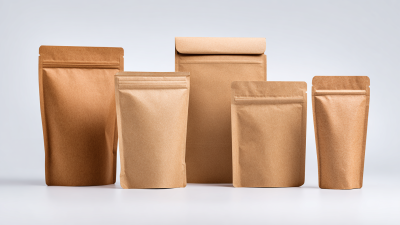
A stand-up bag is a type of flexible packaging. It stands upright due to its bottom gusset. This design allows easy filling and display on shelves. Made from various materials, it often has a resealable zipper. This feature makes it convenient for consumers to use.
Many products utilize stand-up bags, including snacks and beverages. These bags protect contents while maximizing shelf space. Their durability can be impressive but sometimes leads to waste. When opened, users must remember to reseal the bag to maintain freshness.
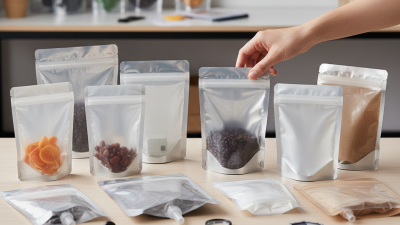
The visual appeal of stand-up bags is undeniable. Bright colors and clear windows showcase the product inside. Yet, some bags may lack environmental sustainability. Choosing eco-friendly options should be a priority for conscious consumers. Reflecting on our choices can drive positive change in the packaging industry.
Key Features That Make Stand Up Bags Unique
Stand up bags have gained popularity for several reasons. Their unique design allows them to stand upright, providing convenience and stability. This feature makes them easy to fill with products, whether it's snacks, dry goods, or liquids. The flat bottom greatly enhances usability.
Another outstanding aspect is their resealable options. Many stand up bags come with zip locks or press-to-seal closures. This helps maintain freshness and prevents spills. Users can simply open and close as needed. This practical feature addresses the common issue of food spoiling quickly.
Moreover, stand up bags offer versatility in design. They can be customized in various colors, shapes, and sizes. This allows brands to showcase their unique identity. However, the plastic material often raises environmental concerns. Consumers may hesitate to choose them over more eco-friendly options. Balancing convenience and sustainability remains a challenge.
What is a Stand Up Bag and How is it Used? - Key Features That Make Stand Up Bags Unique
| Feature |
Description |
Benefits |
| Material |
Often made from laminated films or multi-layered materials |
Provides durability and protection from moisture and UV light |
| Closure Type |
Zip locks, heat seals, or tear notches |
Ensures secure sealing and easy access |
| Shape |
Pouched design with a bottom gusset |
Stands upright when filled, showcasing product effectively |
| Sizes |
Available in various sizes from small to large |
Versatile for different product quantities and formats |
| Printability |
Can be custom printed with high-quality graphics |
Enhances branding and attracts consumer attention |
Common Uses and Applications of Stand Up Bags
Stand up bags have gained popularity in various industries. These versatile packaging solutions are made from flexible materials. They stand upright, offering convenience and easy access. Research indicates that the global stand-up pouch market is expected to reach $33.46 billion by 2025, growing at a CAGR of 6.54%. This growth highlights the demand across several sectors.
In the food industry, stand up bags are widely used for coffee, snacks, and pet food. Their ability to retain freshness is crucial. Studies show that over 90% of consumers prefer packaging that keeps contents fresh. Moreover, the clear viewing window often included in these bags allows customers to see the product. It's a simple detail that can impact purchasing decisions.
The cosmetic and personal care sectors also utilize stand up bags. For liquid products, they offer leak-proof solutions. However, not all products fit snugly. Heavy items can lead to structural weaknesses. Brands must focus on balance to avoid customer disappointment. Sustainability is another concern. Many companies are exploring eco-friendly materials to enhance their appeal. Balancing functionality with environmental responsibility remains a challenge worth addressing.
Common Uses of Stand Up Bags
Stand up bags are commonly used in various industries for packaging due to their versatility and convenience. The chart above illustrates the common applications for stand up bags, highlighting their significant use in food packaging, beverages, cosmetics, pet food, and pharmaceuticals.
Benefits of Using Stand Up Bags for Packaging
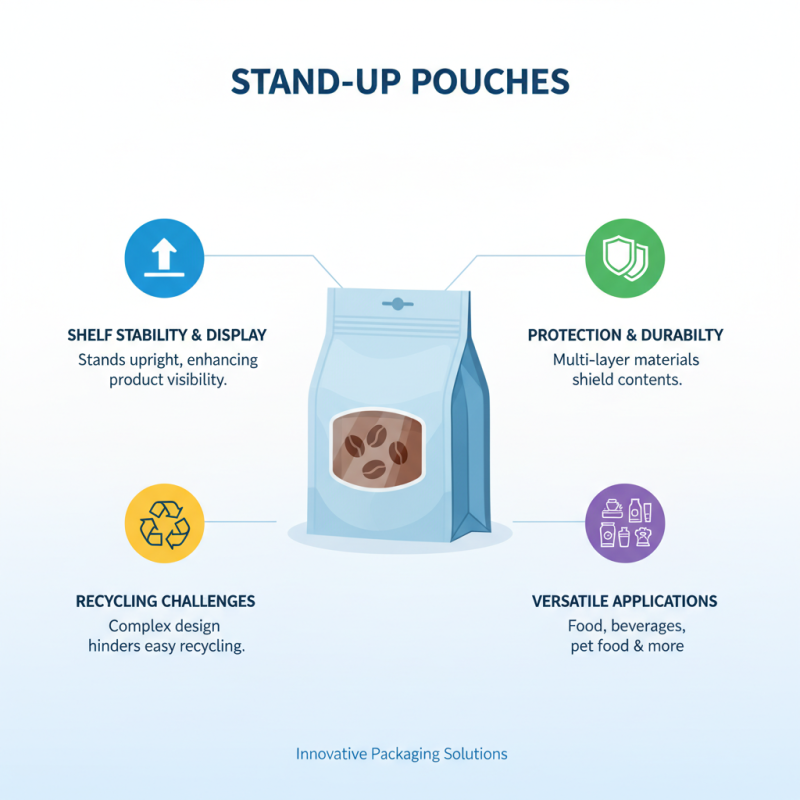
Stand up bags are versatile packaging solutions that have gained popularity across various industries. They are designed to stand upright on shelves, allowing for easy visibility and access. This feature enhances the overall presentation of the product. Stand up bags are typically made from multiple layers of materials, ensuring durability and protection from environmental factors. However, the complexity of their design can sometimes pose challenges in recycling efforts.
Using stand up bags comes with multiple benefits. They are lightweight, reducing shipping costs and environmental impact. Their resealable closures keep products fresh and extend shelf life. This is particularly useful for snacks or perishable goods. Nevertheless, not all types of products may be suitable for this packaging. Some items may require more rigid protection than what stand up bags can offer.
Another notable advantage is customization. Brand owners can print vibrant designs directly on the bags. This attracts consumers and enhances brand identity. However, the initial investment for custom designs can be higher. It’s essential for businesses to evaluate if the return on investment justifies the cost. Balancing aesthetics with functionality is crucial for effective packaging.
Tips for Selecting the Right Stand Up Bag for Your Needs
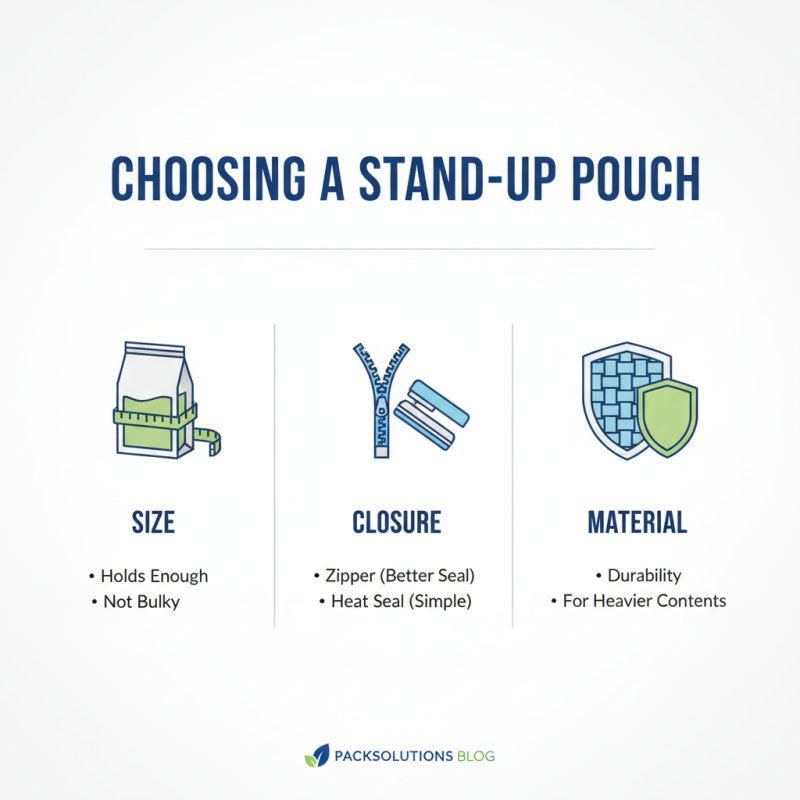
When selecting a stand-up bag, consider your specific needs. The size of the bag matters. It should hold enough product without being too bulky. Think about the type of closure you prefer. A zipper can provide a better seal, while a simple heat seal might suffice for some uses. Look at the material too; stronger materials can enhance durability, especially for heavier contents.
Another important factor is the design. A clear window can help customers see the product inside. This is useful for retail settings. Color and branding also play a role. They can attract attention and convey your brand’s message. However, sometimes flashy designs can overwhelm the product’s appeal. Always reflect on whether the design genuinely enhances the product.
Consider how you will use the stand-up bag. Will it be on shelves or in a freezer? Each environment may require different features. Don't forget about user experience. Easy opening and resealing can improve customer satisfaction. However, it’s easy to overlook these details. Think about the big picture and how it aligns with your goals.