Why Does Pretty Food Packaging Influence Consumer Buying Decisions
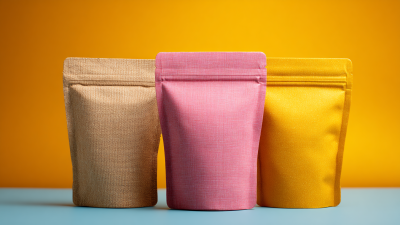
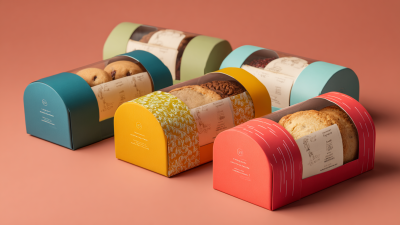
In the competitive landscape of consumer goods, "Pretty Food Packaging" has emerged as a pivotal factor influencing purchase decisions. The visual appeal of food packaging not only grabs attention but also communicates quality and brand identity, often overriding other considerations like price or even taste. According to Dr. Emily Carter, a leading expert in consumer psychology, “The aesthetics of packaging can evoke emotional responses that directly impact consumer choices.” This statement underscores the importance of investing in attractive designs that resonate with consumers on a deeper level.
Packaging serves as the first point of contact between a product and the consumer, making its visual representation crucial in shaping perceptions and expectations. Research indicates that products with visually appealing packaging are more likely to be chosen over their less attractive counterparts, suggesting that "Pretty Food Packaging" can significantly enhance a product's marketability. As brands continue to innovate in their packaging designs, understanding the psychological triggers behind consumer preferences becomes essential in a saturated market.
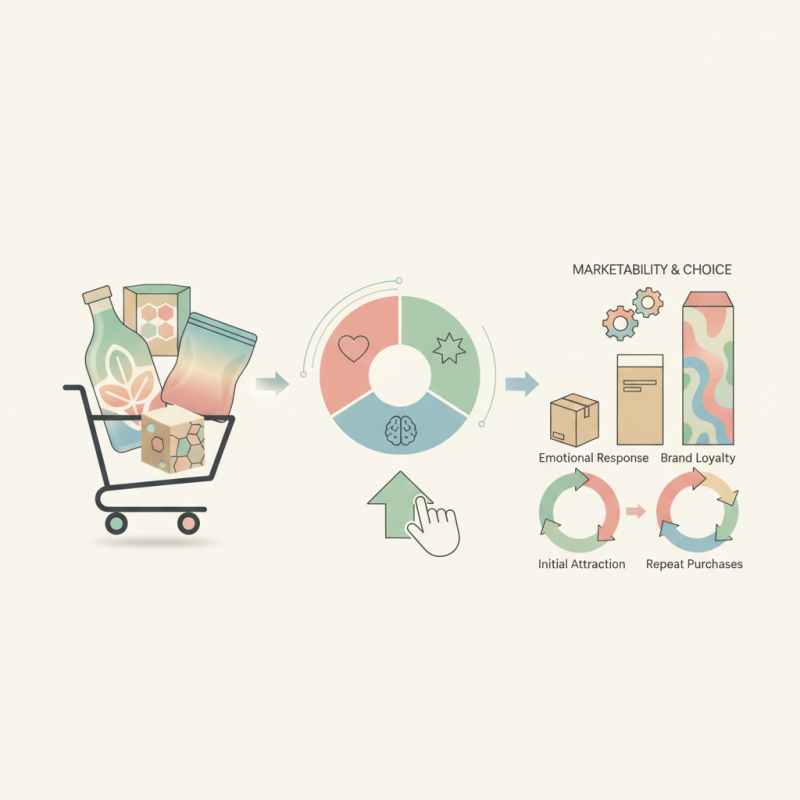
In conclusion, the significance of "Pretty Food Packaging" cannot be understated. It not only plays a crucial role in initial consumer attraction but also acts as a gateway to building brand loyalty and repeat purchases. As the industry evolves, the interplay between aesthetics and consumer behavior will remain a key area of exploration for marketers and designers alike.
The Psychological Impact of Visual Aesthetics on Purchasing Behavior
The visual aesthetics of food packaging play a critical role in influencing consumer behavior, tapping into the psychological associations that individuals form with colors, shapes, and overall design. When consumers encounter products with appealing and well-designed packaging, they are often subconsciously inclined to perceive these items as higher quality. This perception can trigger a positive emotional response, enhancing the desirability of the product and increasing the likelihood of purchase. The brain's reward centers can be activated merely by engaging with visually appealing packaging, particularly in the context of food, where sensory experiences are paramount.
Moreover, the psychological impact of visual aesthetics extends beyond mere first impressions. Research suggests that attractive packaging can also create a sense of trust and credibility around the product. When consumers are faced with multiple similar choices, the packaging can serve as a differentiating factor, guiding decisions based on aesthetic preferences rather than just functionality or price. This emphasis on visual appeal speaks to a deeper human instinct; we are naturally drawn to beauty, and our choices often reflect this innate tendency. In essence, well-crafted packaging does not just house a product; it becomes a crucial element of the narrative that influences consumer attraction and engagement.
The Role of Color Schemes and Design Elements in Food Packaging
The aesthetics of food packaging play a crucial role in attracting consumers, significantly influencing their purchasing decisions. Color schemes and design elements can evoke emotions, create associations, and appeal to the senses. For example, vibrant colors often suggest freshness and excitement, while muted tones may convey a more sophisticated or premium feel. The psychology behind colors is essential; warm colors like red and orange can stimulate appetite, while cool colors such as blue might be perceived as more calming or refreshing.
When designing food packaging, it's essential to consider these visual aspects as they can directly impact consumer behavior. Engaging typography, unique shapes, and striking imagery can enhance the appeal of the product. Design elements that reflect the brand’s identity can also foster trust and recognition among consumers, making them more likely to choose that product over competitors.
**Tips**:
1. Always align color choices with the emotions you want to evoke. For instance, if you’re aiming for a fun and energetic vibe, opt for bright colors.
2. Use simplicity in design to ensure that your packaging is not only attractive but also easy to understand at a glance.
3. Experiment with shapes and materials that stand out on the shelf, as unique packaging can capture consumer interest and differentiate your product from others.
Impact of Color Schemes on Consumer Buying Decisions
Cultural Influences on Consumer Preferences for Food Presentation
Cultural influences play a significant role in shaping consumer preferences for food presentation, which can heavily impact purchasing decisions. Research indicates that visually appealing packaging can increase the likelihood of a product being chosen, with studies showing that 70% of consumers make purchasing decisions based on visual appeal alone. In various cultures, the aesthetics of food packaging are intertwined with traditional values and norms, often leading consumers to perceive beautifully presented food as having superior quality. For instance, in Asian cultures, the importance of color and presentation in food is deeply rooted, with vibrant colors often signifying freshness and desirability.
Furthermore, a report from the Food Marketing Institute underscores the increasing demand for sustainable packaging, as 73% of consumers are more likely to buy products when they feel the packaging is environmentally friendly. This preference can vary significantly across cultures; for instance, in European countries, eco-conscious packaging is increasingly viewed as a symbol of premium product quality. As consumers become more aware of environmental issues, their cultural values regarding sustainability and aesthetics become intertwined, influencing their buying behavior. Consequently, brands that appreciate and adapt to these cultural nuances in food presentation can effectively enhance their market appeal and foster greater consumer loyalty.
Why Does Pretty Food Packaging Influence Consumer Buying Decisions - Cultural Influences on Consumer Preferences for Food Presentation
| Dimension |
Percentage Influenced |
Cultural Context |
Preferred Packaging Features |
| Visual Appeal |
75% |
Western Cultures |
Bright Colors, Unique Shapes |
| Sustainability |
60% |
Asian Cultures |
Eco-friendly Materials |
| Cultural Symbols |
50% |
Middle Eastern Cultures |
Traditional Patterns, Colors |
| Convenience |
80% |
Global |
Easy-to-Open, Resealable |
| Branding |
70% |
Western and Asian Cultures |
Logos, Brand Colors |
Brand Image and Its Connection to Attractive Packaging Designs
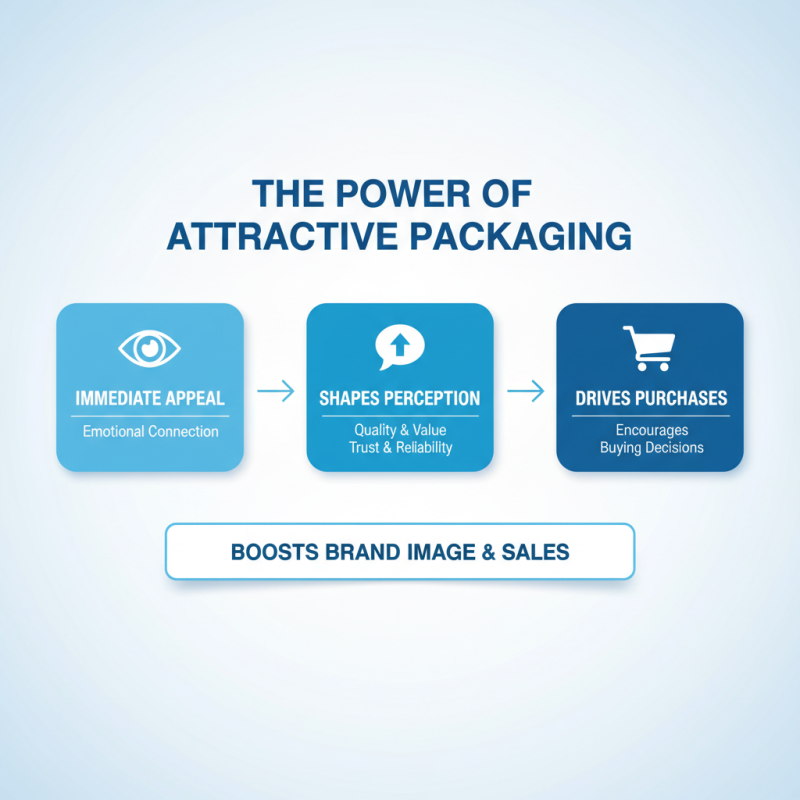
Attractive packaging plays a crucial role in shaping a brand's image and influencing consumer buying decisions. When consumers encounter products on shelves, visually appealing designs can create an immediate emotional connection, often leading to a favorable perception of the brand. This connection is not merely superficial; it can significantly impact how consumers perceive the quality and value of the product. Brands that invest in thoughtful, eye-catching packaging are often seen as more trustworthy and reliable, ultimately encouraging purchases.
Tips for creating effective packaging that enhances brand image include focusing on color psychology, using high-quality materials, and maintaining consistency with brand identity. Colors can evoke specific feelings and associations; for instance, green often represents health and wellness, while black can convey luxury. High-quality materials not only enhance the tactile experience but also signal to consumers that the brand values excellence. Moreover, ensuring that packaging design aligns with the overall brand narrative helps establish a cohesive image that resonates with target audiences.
Additionally, incorporating sustainable packaging options can enhance brand reputation. With more consumers becoming environmentally conscious, opting for eco-friendly materials not only attracts audience attention but also demonstrates a brand's commitment to social responsibility. This strategic approach can significantly bolster brand loyalty, as consumers are increasingly drawn to brands that align with their personal values.
The Relationship Between Packaging Quality and Perceived Food Value
The quality of packaging plays a crucial role in shaping the perceived value of food products. When consumers encounter products with visually appealing packaging, they often associate these items with higher quality and better taste. The aesthetics of the packaging can evoke a sense of care and attention to detail from the manufacturer, leading potential buyers to believe that the food inside is equally superior. This psychological phenomenon illustrates how our perceptions of value can be heavily influenced by external factors, such as design and presentation.
Moreover, the tactile experience associated with high-quality packaging can further enhance the perceived value of food products. Materials that feel sturdy or luxurious can create an impression of exclusivity and premium quality. When consumers physically interact with attractive packaging, it activates their sensory perceptions, making the product more memorable and desirable. This relationship between packaging quality and perceived food value ultimately affects purchasing decisions, as consumers are more likely to choose items that not only look good but also align with their expectations of quality and satisfaction.