Top Pretty Food Packaging Ideas to Attract More Customers?
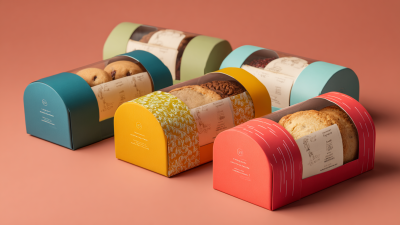
In the competitive landscape of the food industry, captivating packaging can make all the difference. "Pretty Food Packaging" becomes a vital tool for brands looking to draw in customers. Renowned packaging expert, Sarah Mitchell, states, "Beautiful packaging is not just decoration; it tells a story." This sentiment captures the essence of a vibrant food presentation.
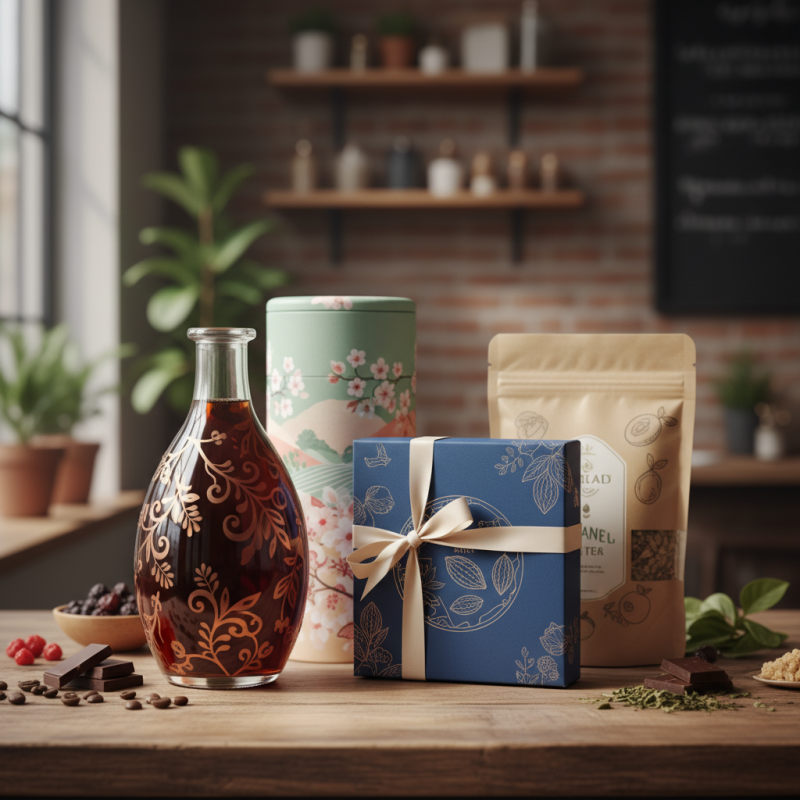
Consumers are drawn to visually appealing packages. They encapsulate the product's essence and spark curiosity. Consider a beautifully wrapped artisan chocolate or a gracefully designed beverage bottle. Such details enhance the overall experience. However, not all companies prioritize this aspect. It is crucial to reflect on how packaging can sometimes miss the mark.
The art of "Pretty Food Packaging" is not merely an aesthetic choice; it’s a strategic approach. But it’s important to remember that even the most beautiful designs can fail if they do not align with the product's quality. Brands must strive to find that perfect balance. A striking design should complement a delightful product inside. This harmony can lead to greater customer satisfaction and loyalty.
Innovative Design Trends in Food Packaging to Captivate Consumers
In the ever-evolving food packaging landscape, innovative design trends play a crucial role. Creative packaging attracts attention and influences purchasing decisions. From sustainable materials to eye-catching graphics, the possibilities are endless. Many brands now prioritize eco-friendly options. This shift is appealing to consumers who value sustainability.
Tips: Choose materials that are biodegradable. It reflects your brand's commitment to the environment. Memorable colors can evoke emotions. For instance, red can stimulate appetite. Think about tactile elements, too. A textured surface can make your product stand out on shelves.
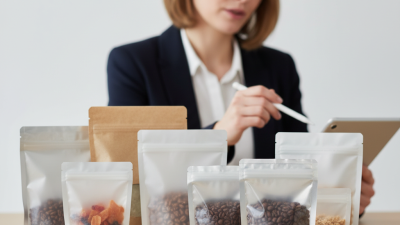
The balance between aesthetics and functionality is challenging. Packaging should be beautiful but also practical. A stunning box may not be useful if it cannot protect the food inside. Consider user experience; ensure your design is easy to open. Unboxing should feel like a treat, enhancing the overall experience.
Tips: Focus on simplicity in design. Too much detail can overwhelm consumers. Test your packaging with real users. Their feedback can reveal hidden flaws. A fresh perspective might highlight areas needing improvement.
Top Pretty Food Packaging Ideas to Attract More Customers
| Packaging Type |
Material |
Design Trend |
Consumer Appeal |
Sustainability Factor |
| Eco-Friendly Pouches |
Biodegradable Plastics |
Minimalist Design |
High |
Yes |
| Glass Jars |
Recyclable Glass |
Vintage Style |
Medium |
Yes |
| Tin Tie Bags |
Kraft Paper |
Rustic Look |
High |
Yes |
| Clear Plastic Containers |
PET Plastic |
Transparent Aesthetic |
Medium |
No |
| Biodegradable Boxes |
Cardboard |
Bold Colors |
High |
Yes |
Understanding Consumer Psychology in Food Packaging Choices
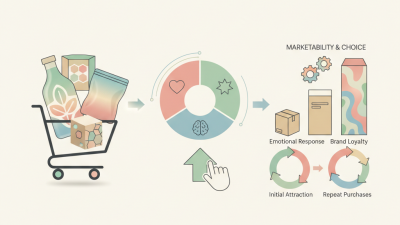
Food packaging plays a crucial role in attracting customers. The colors, shapes, and materials can influence choices. Bright colors often grab attention. However, too many colors can create confusion. Simplicity can sometimes be more effective, allowing the product to stand out.
Tips: Use a limited color palette that reflects the brand. Test the designs to see what resonates with your target audience.
Imagery also matters. Pictures of food can evoke emotions. A beautifully styled dish can stir cravings. Overly stylized images, though, might raise skepticism. Consumers may feel deceived if the product doesn't match the photo.
Tips: Invest in high-quality photography. Authenticity is key; show real food and ingredients.
Understanding consumer psychology is essential. People often make snap decisions driven by visuals. Create packaging that tells a story. A narrative can connect with consumers on a deeper level. However, overcomplicating the message can backfire. Clarity is vital for effective communication.
Tips: Focus on sustainability, health, or local sourcing. Create packaging that reflects these values. Keep the message straightforward.
Sustainable Materials: The Eco-Friendly Approach to Food Packaging
Sustainable materials are becoming essential in food packaging. Many consumers now prefer eco-friendly options. This shift reflects a growing awareness of environmental impacts. Brands are experimenting with biodegradable materials, like plant-based plastics. These alternatives reduce waste significantly.
Creative packaging design can enhance the appeal of sustainable options. Bright colors and unique shapes can draw attention. However, some packages may still lack practicality. For example, while a beautiful design is attractive, it might hinder storage or use. Balancing aesthetics with functionality remains a challenge.
Incorporating recycled materials also poses issues. While they reduce resource consumption, their quality may vary. Some products may not protect food adequately. Testing and adjusting designs could help address these flaws. Ultimately, eco-friendly packaging can attract customers when executed thoughtfully.
Color Psychology: Using Colors to Enhance Food Packaging Appeal
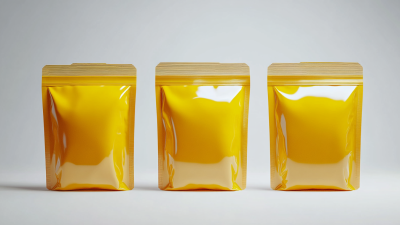
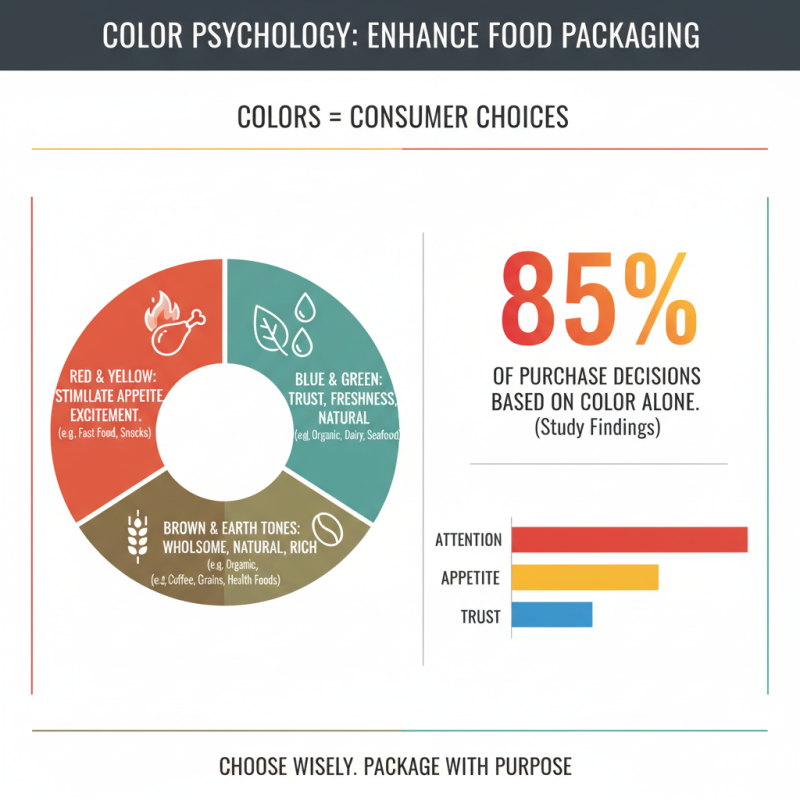
Color psychology plays a crucial role in food packaging. Research shows that colors can influence consumer behavior significantly. For instance, a study noted that around 85% of consumers base their purchase decisions on color alone. Bright colors like red and yellow often stimulate appetite. They attract attention and can evoke feelings of excitement.
Conversely, muted colors may not perform as well. A report highlighted that products with unappealing color schemes often face slower sales. Imagine a product in bland beige packaging; it likely wouldn't stand out on the shelf. Consumers might overlook it for brighter, more vibrant options.
However, it's essential to strike a balance. Overly bright colors may overwhelm some consumers, leading to negative associations. For example, a line of organic foods might benefit from earthy tones. These colors can convey healthiness and sustainability. Yet, if they appear too dull, they risk losing attention. The key is understanding your target audience and testing different color schemes.
Interactive Packaging: Engaging Customers Through Unique Experiences
Interactive packaging is gaining popularity for a reason. It brings products to life and captivates customers. Imagine a cereal box that transforms into a fun game for kids. With just a simple scan, a digital experience unfolds. This not only engages children but also encourages parents to choose your product. Eye-catching design can draw in buyers, but interactivity keeps them coming back.
Think about tactile elements. Textures that invite touch or unique shapes can spark curiosity. A beverage container with a temperature-sensitive label could change color with the contents. It’s an exciting way to convey freshness and quality. However, it doesn’t always work perfectly. Some customers may find it gimmicky. Simple designs can sometimes overshadow creative concepts. Finding the right balance is crucial.
The potential for storytelling through packaging is vast. Customers love a narrative they can connect with. QR codes leading to videos about sourcing can deepen brand loyalty. Yet, these ideas might not resonate universally. Experimenting is valuable, but not all interactive designs will capture attention. It’s essential to evolve and learn from feedback. Creating memorable experiences can inspire repeat purchases.