What is a Plastic Bag Pouch and How is it Used?
In today's fast-paced world, the versatility of a Plastic Bag Pouch is noteworthy. These pouches offer a practical solution for storage and portability. Renowned industry expert, Dr. Emily Carter, states, “Plastic Bag Pouches are revolutionizing packaging by being both functional and eco-friendly.”
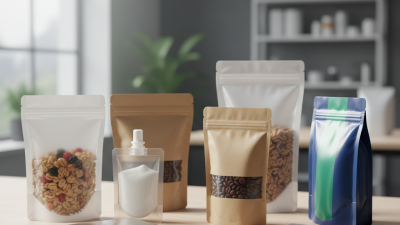
Plastic Bag Pouches come in various sizes and designs, making them suitable for diverse uses. They can hold food, electronics, and more. The transparent nature of these pouches allows easy identification of contents, enhancing organization. However, one must reflect on their environmental impact. Not all plastic is recyclable, and overuse can lead to pollution.
Despite these concerns, the demand for Plastic Bag Pouches continues to rise. Companies are innovating with materials to create more sustainable options. Yet, there's still a long way to go. As consumers, we should consider our choices carefully. The convenience of a Plastic Bag Pouch should not overshadow the need for a cleaner planet.

What is a Plastic Bag Pouch?
A plastic bag pouch is a versatile packaging solution. It is designed to hold multiple items securely in a compact form. These pouches are made from durable plastic materials, ensuring they can withstand various handling conditions. They often come with a resealable or zip closure, making them easy to open and close. This feature maintains the freshness of the contents inside.
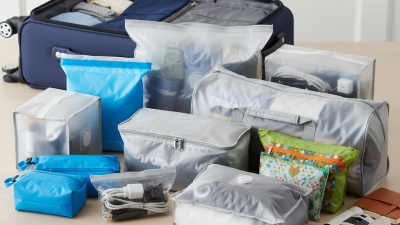
In everyday use, plastic bag pouches serve several purposes. They can be used for food storage, organizing tools, or packing small items for travel. For example, you might use a pouch to store snacks during a hike or keep cosmetics organized in your travel bag. Their lightweight nature makes them convenient to carry. However, people sometimes overlook their contribution to environmental concerns. It’s important to consider recycling options after use. Reflecting on how often they are discarded can lead to more responsible usage.
Though plastic bag pouches offer practicality, they also prompt ecological discussions. Consumers need to balance convenience with sustainability. Every use has a footprint. This tension invites ongoing reflection on our choices and habits.
Different Types of Plastic Bag Pouches Available
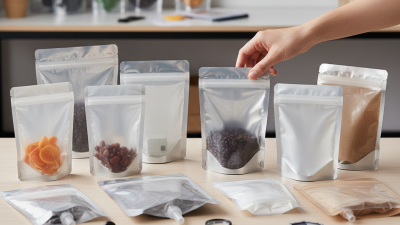
Plastic bag pouches are versatile packaging solutions widely used across various industries. These pouches come in different types, each serving unique purposes. Stand-up pouches are popular for their ability to stand on shelves, showcasing products effectively. According to industry research from a notable packaging report, this style has seen a 15% growth in the last two years.
Flat pouches offer a sleek alternative for single-use items. They are often used for snacks and other food products. In recent studies, flat pouches accounted for 30% of the flexible packaging market. However, many users overlook their environmental impact. While they are lightweight and cost-effective, their biodegradability is often questioned.
Ziplock pouches are gaining traction as an easy-to-use option. They provide reusability and sealing capabilities, making them ideal for storage. However, not every consumer understands the importance of recycling these materials. A report indicated that only 9% of plastic produced is recycled. This indicates a pressing need for better education and awareness about proper disposal methods.
Plastic Bag Pouch Usage and Types
Common Uses of Plastic Bag Pouches in Daily Life
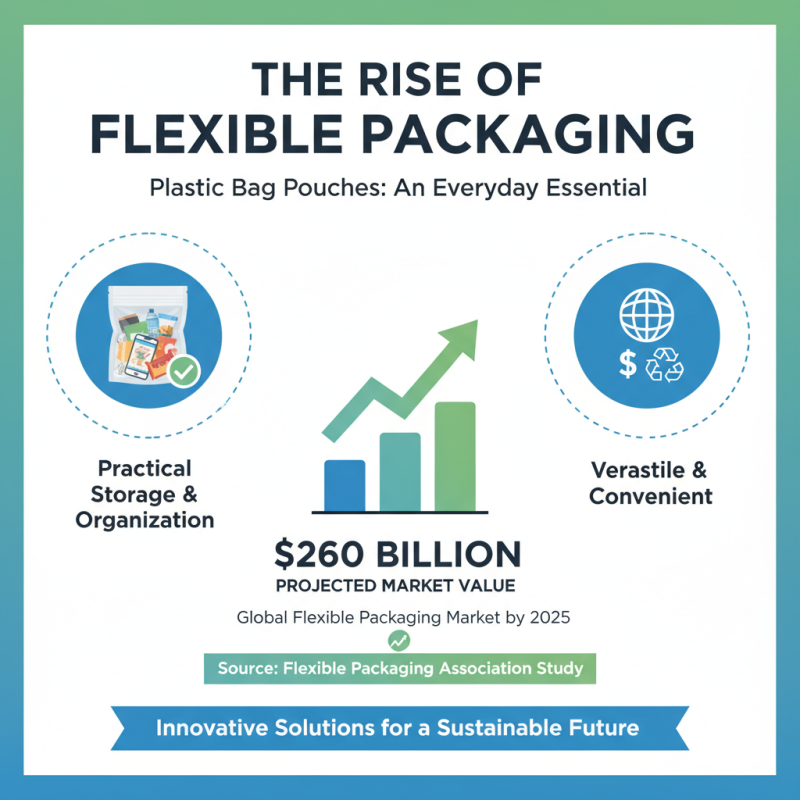
Plastic bag pouches have become an integral part of our daily lives. These versatile bags offer a practical solution for storage and organization. According to a study from the Flexible Packaging Association, the flexible packaging market, which includes plastic bag pouches, is projected to reach $260 billion by 2025. This growth highlights the demand for innovative packaging solutions.
In households, plastic bag pouches are commonly used for organizing food items. They keep snacks fresh and reduce waste. A report from the Food Packaging Institute states that using airtight pouches can extend the shelf life of perishable goods by up to 50%. Many people utilize these pouches for meal prep. It helps in portion control and minimizes cooking time during the week.
Moreover, plastic bag pouches are handy for non-food items. They can store toiletries, small electronics, or even craft supplies. Their lightweight design makes them easy to carry. However, they are not always eco-friendly. The overuse of single-use plastics poses environmental challenges. Many individuals need to rethink their reliance on plastic. It’s essential to consider reusable alternatives to reduce overall waste in the long term.
Advantages and Disadvantages of Using Plastic Bag Pouches
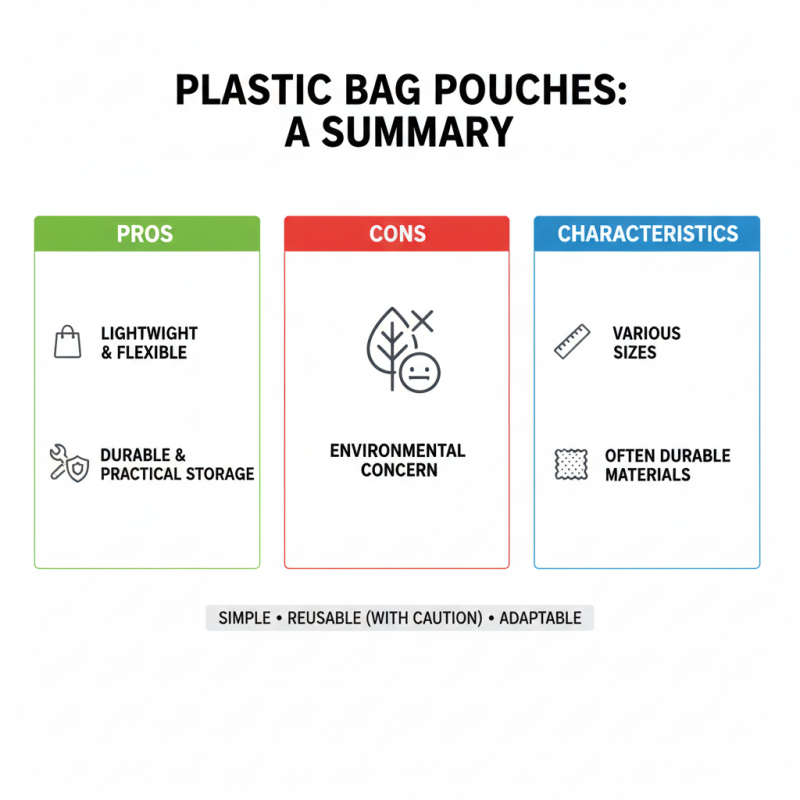
Plastic bag pouches are simple yet practical storage solutions. They come in various sizes and are often made from durable materials. Users enjoy their lightweight nature and flexibility. However, they also pose environmental concerns.
One major advantage of plastic bag pouches is their convenience. They are easy to seal and open, making them ideal for snacks or small items. People appreciate their resealable feature that keeps food fresh. But the flip side is the waste they create. Many plastic pouches end up in landfills. Recycling options are limited, leading to more plastic in our environment.
Another consideration is durability. While some pouches are strong, others can tear easily. Fragile pouches may spill their contents, creating a mess. Additionally, the reliance on single-use plastics raises questions about long-term sustainability. Alternatives exist, but they often come with trade-offs in pricing or availability. Balancing convenience and eco-friendliness remains a challenge for many users.
How to Properly Recycle Plastic Bag Pouches
Plastic bag pouches have become a common item in daily life. They are useful for organizing small items. However, the way we recycle them is often misunderstood. Many people toss them in regular trash, believing it’s acceptable. This practice harms the environment as plastic bag pouches are not biodegradable.
To recycle plastic bag pouches correctly, first, rinse them to remove any residue. Clean pouches are more likely to be accepted for recycling. Next, some grocery stores have drop-off bins specifically for plastic bags and pouches. This is an effective way to ensure proper processing. Remember, not all recycling facilities accept these materials. So, checking local guidelines is crucial.
Reflecting on individual habits can be insightful. Many may forget to recycle or think it doesn’t matter. Each small action counts in reducing waste. Advocating for care in recycling plastic bag pouches can lead to a positive change. Encourage others to participate, creating a ripple effect in the community about responsible recycling practices.
What is a Plastic Bag Pouch and How is it Used? - How to Properly Recycle Plastic Bag Pouches
| Dimension |
Description |
Recycling Method |
Common Uses |
| Size |
Typically 10"x12", can vary |
Check local recycling guidelines for collection |
Storing food, carrying items |
| Material |
Made of polyethylene or similar plastic |
Clean and dry before recycling |
Grocery bags, packaging |
| Durability |
Moderately durable, single-use recommended |
Not suitable for curbside recycling |
Shipping and storage |
| Environmental Impact |
Can contribute to pollution if not recycled |
Return to store drop-off locations |
Reusable for storage |
| Alternatives |
Tote bags, biodegradable bags |
Look for recycling symbols |
Carrying items sustainably |