Pretty Food Packaging Tips for Attracting Global Buyers?
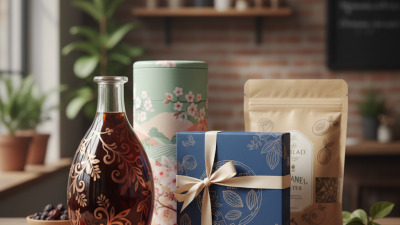
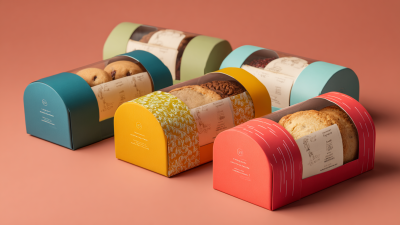
In today's competitive market, Pretty Food Packaging plays a crucial role in attracting global buyers. The appearance of food packaging can significantly influence consumer purchasing decisions. Attractive designs not only catch the eye but also create an emotional connection with potential customers. Unique packaging can reflect a brand's identity and values, thereby standing out.
Consider the materials used in Pretty Food Packaging. Eco-friendly options are increasingly preferred by buyers. They are not only sustainable but also convey a sense of responsibility. However, it can be challenging to balance aesthetics and functionality. Packaging must also protect the product and maintain its quality during transport.
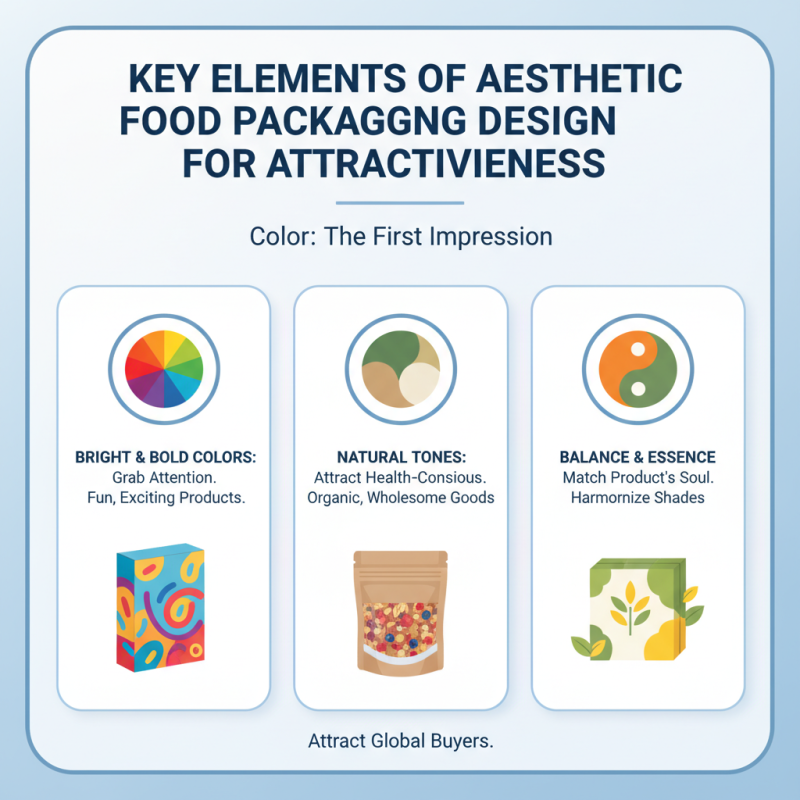
Additionally, visual elements such as colors and typography matter. Certain colors evoke specific emotions, impacting buyer behavior. Yet, relying solely on trendy designs might backfire if they don't align with brand messaging. As the market evolves, staying updated on design trends is essential, but so is maintaining authenticity. Every brand should reflect on how their packaging embodies their story and values.
Understanding the Importance of Food Packaging in Global Markets
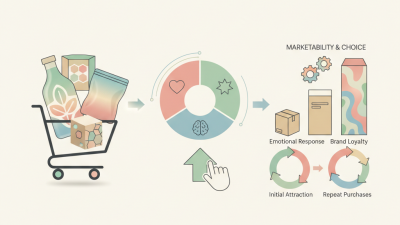
In the competitive global market, food packaging plays a crucial role in attracting consumers. According to a report by the Research and Markets, packaging design can influence 70% of purchasing decisions. With consumers increasingly emphasizing aesthetics, brands must prioritize eye-catching designs to stand out. Good packaging tells a story and connects with the audience on an emotional level.
However, it's not just about looks. Functional aspects are equally important. Seal integrity and freshness must be maintained to meet international standards. A study from Packaging Strategies highlights that 40% of consumers are likely to reject products with inadequate packaging. Brands must also consider cultural preferences and local regulations. Misalignment in packaging can lead to distrust and lost sales.
Sustainability is a rising concern too. According to a survey, 72% of consumers prefer eco-friendly packaging. Brands face the challenge of balancing aesthetic appeal and environmental responsibility. Reflecting on these complexities is essential for long-term success. Clear, informative labels can enhance transparency while ensuring compliance with diverse regulations across markets. Embracing these nuances can lead to better engagement with global audiences.
Global Food Packaging Trends
Sustainable Packaging Solutions for Eco-Conscious Buyers
Sustainable packaging is more than a trend; it’s a necessity in today’s global market. Eco-conscious buyers are increasingly looking for products that reflect their values. They want packaging that minimizes environmental impact and promotes sustainability. Using biodegradable materials or recycled content can greatly appeal to this demographic. Thoughtfully designed packaging not only attracts attention but also communicates a brand's commitment to the planet.
Design plays a crucial role in sustainability. Simple and elegant designs often resonate well with consumers. They appreciate aesthetics, but practicality matters too. Packaging must protect the product while being easy to dispose of or recycle. Many brands are experimenting with innovative shapes and sizes to reduce material use. However, companies should be cautious—overly complex designs can lead to waste and consumer confusion.
It’s essential to engage in the conversation about sustainability. Transparency builds trust and loyalty among buyers. Brands can share their packaging journeys, highlighting successes and challenges. This openness reflects genuine efforts toward sustainability. Consumers value brands that admit imperfections and strive for continuous improvement. An authentic approach helps create a stronger connection and differentiates companies in a crowded market.
Pretty Food Packaging Tips for Attracting Global Buyers - Sustainable Packaging Solutions for Eco-Conscious Buyers
| Packaging Type |
Materials Used |
Eco-Friendliness Rating |
Attractiveness Score |
Market Examples |
| Biodegradable Bags |
PLA, Starch |
5/5 |
8/10 |
Organic Produce |
| Recycled Paperboard |
Recycled Paper |
4/5 |
7/10 |
Snack Foods |
| Glass Containers |
Glass |
5/5 |
9/10 |
Gourmet Foods |
| Compostable Films |
PBAT, Corn Starch |
4/5 |
8/10 |
Ready-to-eat Meals |
| Plant-Based Pouches |
Plant Fibers |
5/5 |
8/10 |
Pet Foods |
Cultural Considerations in Food Packaging for Diverse Markets
Cultural nuances play a crucial role in food packaging design. Different regions have unique preferences and value systems. Colors, symbols, and even fonts can convey vastly different messages. For instance, while red is a symbol of luck in some cultures, it may signify danger in others. Therefore, understanding local sentiments is essential for effective communication.
Imagery is another vital aspect. In many cultures, food is linked closely to traditions and celebrations. Using visuals that resonate with local practices can enhance appeal. For example, a packaging design that features seasonal motifs can evoke a sense of familiarity and nostalgia. Yet, getting it right can be challenging. What seems appealing in one market might come off as inappropriate in another.
Additionally, consider language. Text should reflect local dialects and preferences. While English might seem universally accepted, it can exclude non-English speakers. Ensuring that messaging aligns with local language also presents a challenge. This requires thorough research and often collaboration with local experts. Adapting food packaging to different cultures is a process that requires both creativity and reflection.
Leveraging Digital Tools for Innovative Food Packaging Ideas
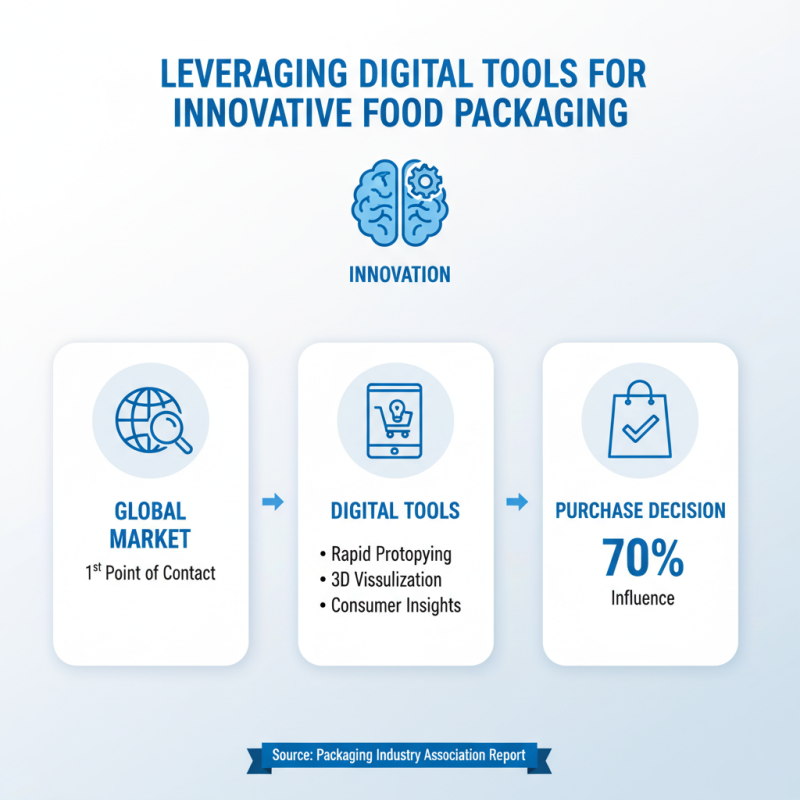
In an increasingly global market, food packaging serves as the first point of contact for consumers. Leveraging digital tools is essential for developing innovative packaging ideas that catch attention and convey value. According to a report from the Packaging Industry Association, packaging can influence 70% of purchase decisions, highlighting its significance in attracting buyers worldwide.
Digital design platforms enable brands to prototype packaging quickly. This approach allows for agile testing with diverse consumer demographics. For example, augmented reality can bring static designs to life, offering interactive experiences. Research indicates that 52% of consumers appreciate packaging that incorporates technology. It’s crucial to experiment with different designs to see what resonates with various cultures.
Tips for effective packaging include using sustainable materials that align with eco-conscious consumer values. Eye-catching colors and unique shapes can differentiate products on shelves. Additionally, consider multi-lingual labeling to reach a broader audience. Don’t overlook the importance of storytelling in packaging design, as this fosters deeper emotional connections with consumers. Reflecting on these strategies can enhance market appeal and drive global engagement.