What is Flexible Packaging Plastic and Why Should You Use It?
Flexible Packaging Plastic offers innovative solutions for modern packaging needs. As an alternative to traditional materials, it provides versatility and enhances product preservation. Its lightweight nature reduces shipping costs and environmental impact.
The demand for environmentally friendly packaging is rising. Companies are looking for ways to meet consumer expectations. Flexible Packaging Plastic is a strong contender in this race. It can be made from recyclable materials, contributing to sustainability efforts.
Adopting Flexible Packaging Plastic may require a shift in mindset. Businesses must weigh initial costs against long-term benefits. However, the advantages often outweigh these concerns. This packaging type not only ensures product safety but also appeals to eco-conscious consumers. Exploring Flexible Packaging Plastic may open new avenues for brands, fueling innovation and growth.
What is Flexible Packaging Plastic?
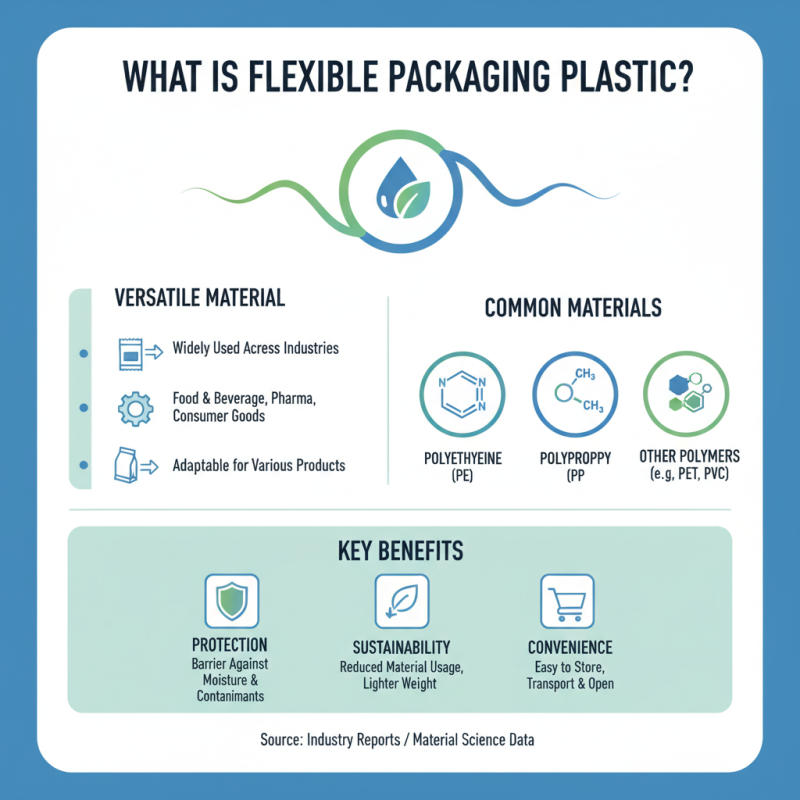
Flexible packaging plastic is a versatile material widely used in various industries. It includes materials like polyethylene, polypropylene, and other polymers. These plastics allow for unique packaging solutions that are lightweight and durable. According to a report by Smithers Pira, the flexible packaging market was valued at over $248 billion in 2022, with a growth rate of around 4.2% projected through 2028.
The appeal of flexible packaging lies in its functionality. It offers an effective barrier against moisture, oxygen, and light, preserving product freshness. Additionally, it can significantly reduce storage and transportation costs due to its lightweight nature. However, sustainability remains a pressing concern. While flexible packaging uses fewer resources than rigid alternatives, much of it remains non-recyclable. The industry must strive to develop greener solutions.
Consumer preferences are shifting. A study by the Flexible Packaging Association indicated that 51% of consumers prefer flexible solutions for their convenience. This shift reflects a growing acknowledgment of the role of packaging in product appeal. Even so, the potential environmental impact cannot be ignored. The challenge remains to balance flexibility and sustainability in the evolving packaging landscape.
Key Characteristics of Flexible Packaging Plastics
Flexible packaging plastic offers several key characteristics that make it a popular choice in various industries. Its lightweight nature leads to decreased transportation costs. Additionally, it can adapt easily to different shapes and sizes. This flexibility allows for enhanced shelf life of products, maintaining freshness and safety.
One important aspect is the material's barrier properties. Flexible plastics can protect contents from moisture, air, and light. This is crucial for perishable items like snacks and beverages. Often, brands embrace these features for better consumer appeal.
Tips: When choosing flexible packaging, consider the type of product you are packaging. Ensure that the material chosen effectively preserves the quality of the product. Also, reflect on how the packaging design can influence consumer choices. Simple changes can make a significant impact.
Advantages of Using Flexible Packaging Plastics
Flexible packaging plastics offer numerous advantages that make them an appealing choice for various industries. These materials are lightweight and versatile. The reduced weight leads to lower shipping costs. Moreover, their flexibility allows for various shapes and sizes, accommodating different products efficiently.
One key benefit is the extended shelf life they provide. Flexible packaging often includes barrier properties that protect against moisture and oxygen. This preservation can significantly reduce food waste. Further, the materials can be designed with eye-catching graphics, enhancing visual appeal on store shelves.
Another aspect to consider is sustainability. While flexible packaging plastics have gained criticism, many advancements focus on creating recyclable options. Businesses can adopt these alternatives to improve their environmental footprint. However, the recycling processes can be complex and require careful consideration from producers and consumers alike. Balancing convenience with responsible waste management is an ongoing challenge.
Common Applications of Flexible Packaging Plastics
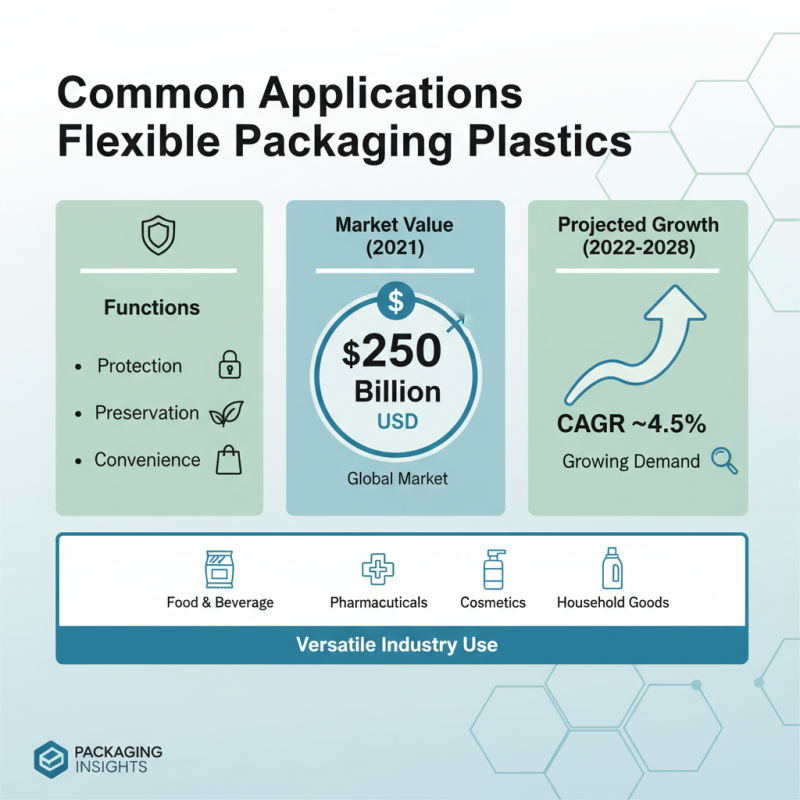
Flexible packaging plastics are widely used across various industries. They serve multiple functions, including protection, preservation, and convenience. In 2021, the global flexible packaging market was valued at approximately $250 billion. This figure is expected to grow at a CAGR of around 4.5% through 2028. Such growth reflects the rising demand for efficient packaging solutions.
These plastics are prevalent in food and beverage sectors. For instance, snack foods often utilize flexible packaging to maintain freshness. Packaged salads and frozen items also benefit from this technology. Research indicates that over 70% of consumers prefer flexible packaging due to its lightweight nature and resealability. Such characteristics reduce food waste while enhancing user experience.
Flexible packaging is not limited to food. Personal care and pharmaceutical products also utilize these materials. However, there are ongoing discussions about environmental impact. While flexible plastics can reduce transportation emissions, they still contribute to plastic waste. The industry is exploring biodegradable alternatives. Finding a balance between practicality and sustainability remains a challenge.
Environmental Considerations and Innovations in Flexible Packaging
Flexible packaging plastic is gaining attention for its light weight and convenience. However, it also raises environmental concerns. The production and disposal of this type of packaging can contribute to pollution. Many consumers are becoming increasingly aware of these impacts. They are demanding more sustainable options. This creates a challenge for manufacturers to innovate.
Innovations in flexible packaging are underway. Companies are developing biodegradable materials that break down more easily. Some use recycled content to reduce waste. Others explore compostable options, offering a greener alternative. These advances are exciting but not without flaws. The performance of some biodegradable materials can be inconsistent. They may not decompose effectively in all environments. It's crucial for businesses to test these new materials thoroughly.
Awareness of these issues is growing among businesses and consumers. Education on sustainable practices is essential. Companies must be transparent about the materials they use. By doing so, they can build trust with consumers. It's a step towards a more sustainable future in packaging. However, the journey is just beginning.
Impact of Flexible Packaging on Environmental Considerations