10 Essential Tips for Choosing Stand Up Pouch Packaging for Your Products?
Choosing the right packaging for products can make or break a business. Stand Up Pouch Packaging is a popular choice among manufacturers today. Expert Rebecca Johnson, a packaging consultant with over a decade of experience, states, "The right pouch can enhance brand visibility and protect your product." Her insights highlight the importance of thoughtful selection in this area.
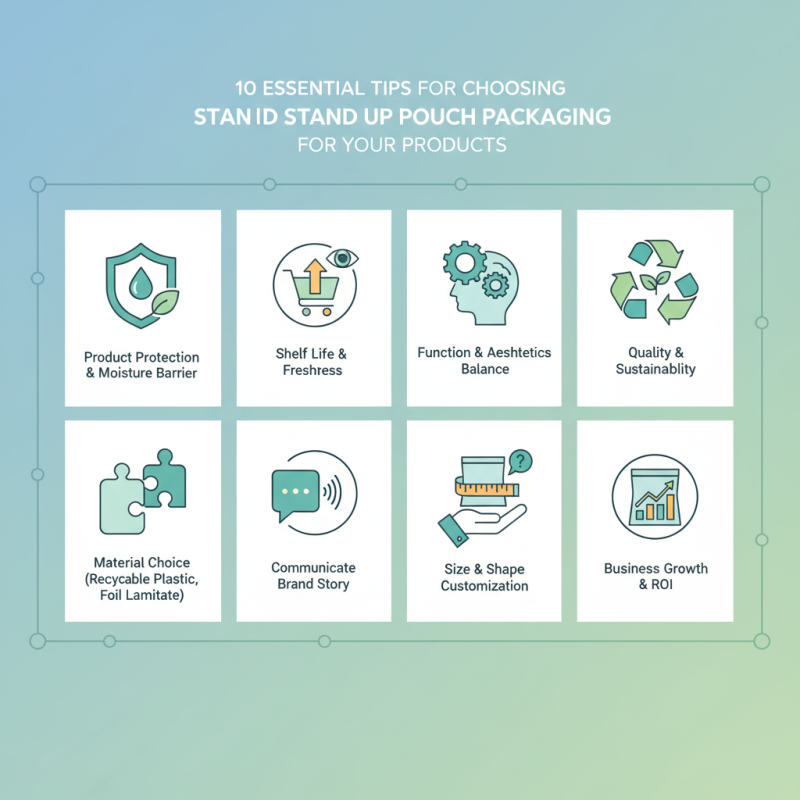
Numerous factors influence the choice of Stand Up Pouch Packaging. Material is key. Options range from recyclable plastics to foil laminate, each with unique properties. Consider your product's needs. Will it require moisture barriers? What is the shelf life? These questions are vital for product integrity.
A well-designed stand-up pouch can attract customers. Yet, striking the right balance between function and aesthetics is challenging. The mark of good packaging goes beyond visuals. It should communicate your brand story effectively, even in a glance. Remember, the packaging is often the first interaction customers have with your product. Prioritize quality and sustainability during your selection process.
Understanding Stand Up Pouch Packaging and Its Benefits
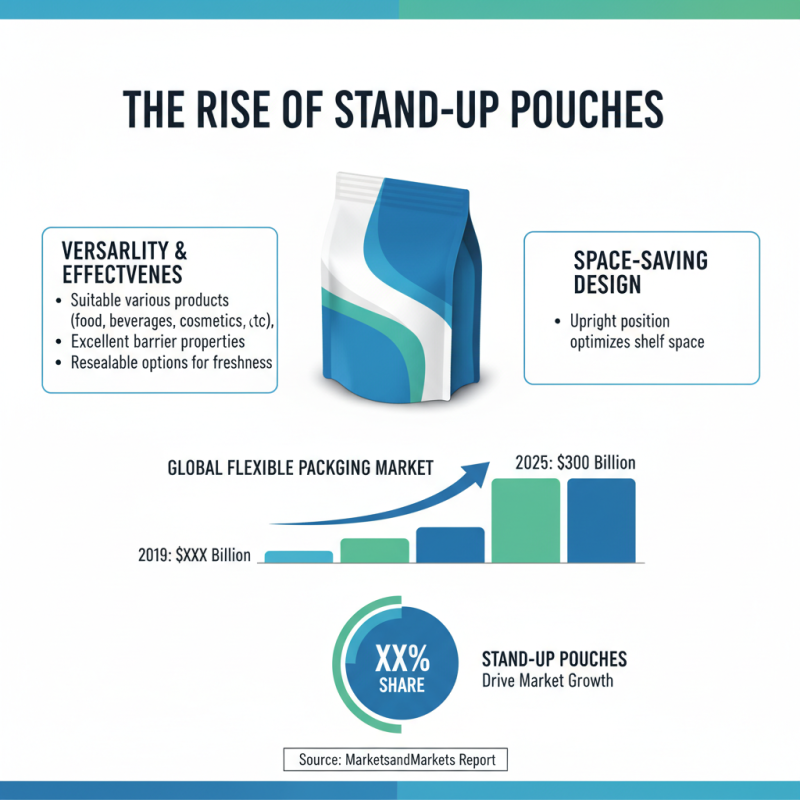
Stand up pouch packaging has gained popularity due to its versatility and effectiveness. This packaging type offers a unique upright position, which saves space on shelves. According to a report by MarketsandMarkets, the global flexible packaging market is projected to reach $300 billion by 2025. Stand up pouches play an essential role in this growth, accounting for a significant market share.
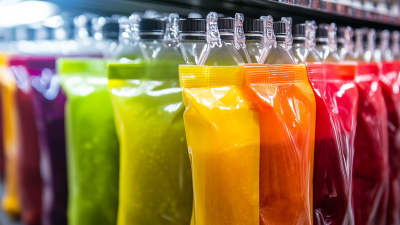
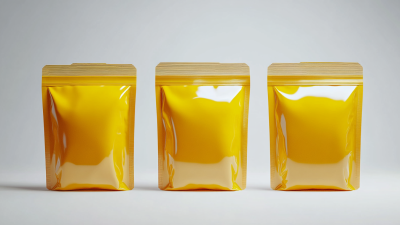
One of the significant benefits of stand up pouches is their ability to enhance product visibility. The transparent windows allow consumers to see the contents, increasing the likelihood of purchase. Additionally, these pouches use less material compared to rigid packaging. A 2021 study found that flexible pouches consume 70% less material than traditional containers. However, this can also pose challenges. Choosing the right material is crucial for maintaining product freshness and safety.
Sustainability is another factor driving the adoption of stand up pouches. Many brands are shifting towards eco-friendly materials. Yet, not all biodegradable options are effective. Some may not break down efficiently in landfills. Therefore, it is important to evaluate materials carefully. Consumer awareness is growing, and they prefer brands that demonstrate a commitment to sustainability. Balancing aesthetics, functionality, and environmental impact can be a daunting task for brands.
Factors to Consider When Selecting Materials for Pouch Packaging
When selecting materials for stand-up pouch packaging, several factors play a crucial role. The choice of material impacts durability and visibility. For example, a high-barrier material can protect contents from moisture and contaminants. Customers often prefer clear pouches that display the product. However, clear options may not provide the best protection against UV light. This can lead to potential product degradation.
Another important aspect is the packaging's environmental impact. Sustainable materials are becoming more popular. Yet, not all biodegradable options offer the same barrier protection. It's vital to balance sustainability with functionality. Some materials may appear eco-friendly but do not perform well. There is a need to evaluate these trade-offs carefully.
Lastly, consider the manufacturing process. Some materials require specific printing techniques. If not compatible, this might lead to additional costs or delays. Packaging design should also reflect the product's identity. An incoherent packaging design can confuse customers. Reflecting on these factors early in the process can lead to better outcomes. A thoughtful approach helps avoid common pitfalls in pouch packaging selections.
Analyzing Size and Dimensions for Optimal Product Fit
Choosing the right size and dimensions for your stand-up pouch packaging is crucial.
A well-fitted pouch enhances product presentation. It prevents unnecessary space that can lead to product shifting during transport.
Consider the shape of your product. Is it flat, round, or irregular? Each shape requires specific sizing for optimal fit.
Measure your product carefully. Don’t rely solely on estimates; they can be misleading.
If your dimensions are slightly off, the pouch may not seal properly. This could lead to spoilage or damage.
In contrast, an oversized pouch may waste materials and increase costs.
It’s essential to test various sizes physically before finalizing.
Pay attention to details like gusset depth. A deeper gusset allows for a more stable stand.
However, it can add unnecessary bulk if you’re not careful. Reflect on how your product will be displayed.
Will it be on a shelf or in a box? Each scenario impacts your sizing decision.
Ask for samples to ensure the pouch meets your needs.
Sometimes, what seems perfect on paper doesn’t translate in real life.
Adjust, evaluate, and refine your choices before going into production.
Design Elements to Enhance Brand Appeal on Pouch Packaging
When selecting stand-up pouch packaging, design elements play a crucial role in brand appeal. A well-designed pouch can attract attention on crowded shelves. According to a recent market study, 45% of consumers make snap decisions based on packaging design. Bright colors and unique shapes can help your product stand out. But it's essential to balance aesthetics with functionality.
Consider these tips for enhancing your pouch design. Use clear, bold typography to convey key information quickly. Customers appreciate legibility. Simple instructions or highlights about your product can guide their choices effectively. Also, think about the texture. A matte finish can convey elegance, while a glossy feel might exude energy. Texture affects how consumers perceive value.
Always remember that sustainability matters. Research indicates that 67% of consumers prefer eco-friendly packaging. Incorporating recyclable materials can enhance your brand's image. It can open discussions about your commitment to the environment. Reflect on how these choices align with your brand's story. It's not only about being trendy, but about creating a lasting connection.
Sustainability Considerations in Stand Up Pouch Packaging Choices
When selecting stand up pouch packaging, sustainability should be at the forefront. Many materials used in traditional packaging harm the environment. For instance, plastic pouches can take hundreds of years to decompose. Choosing eco-friendly materials, like biodegradable options, can mitigate this impact. Consider looking for suppliers that prioritize recycled materials in their production process. This choice not only supports the planet but can also attract environmentally-conscious consumers.
Another key aspect is the carbon footprint of your packaging. Lightweight pouches reduce transportation emissions. Opting for pouches made closer to your production site may also decrease logistics-related impacts. However, it’s vital to weigh these options against costs and availability. Assessing your suppliers’ practices is crucial. Are they transparent about their sustainability measures? You might find that commitment can vary significantly across providers.
Lastly, the visual appeal of stand up pouches is essential. Sustainable design doesn’t have to sacrifice aesthetics. Many eco-friendly materials now offer vibrant colors and unique textures. However, ensure that your design still reflects your brand's values. Striking a balance between beauty and sustainability can be challenging, yet it is worth the effort.