How to Recycle Plastic Wrapper Effectively?
Plastic wrapper is widely used in packaging food and other items. However, many people do not know how to recycle it effectively. This lack of awareness contributes to pollution and waste in our landfills and oceans. While plastic wraps offer convenience, they come with significant environmental costs.
Recycling plastic wrapper requires careful consideration. It's not as straightforward as tossing it in a recycling bin. Many recycling facilities do not accept standard plastic wrap due to contamination issues. The glossy texture can complicate the recycling process. Clear information about the recyclability of different types of wrappers is often missing.
Every small effort counts. Collecting plastic wraps separately can make a difference. Some stores have specific programs for recycling. Yet, awareness of these options remains low. Individuals must reflect on their habits and find better solutions. Only by understanding the impact of plastic wrapper can we hope to create a cleaner future.
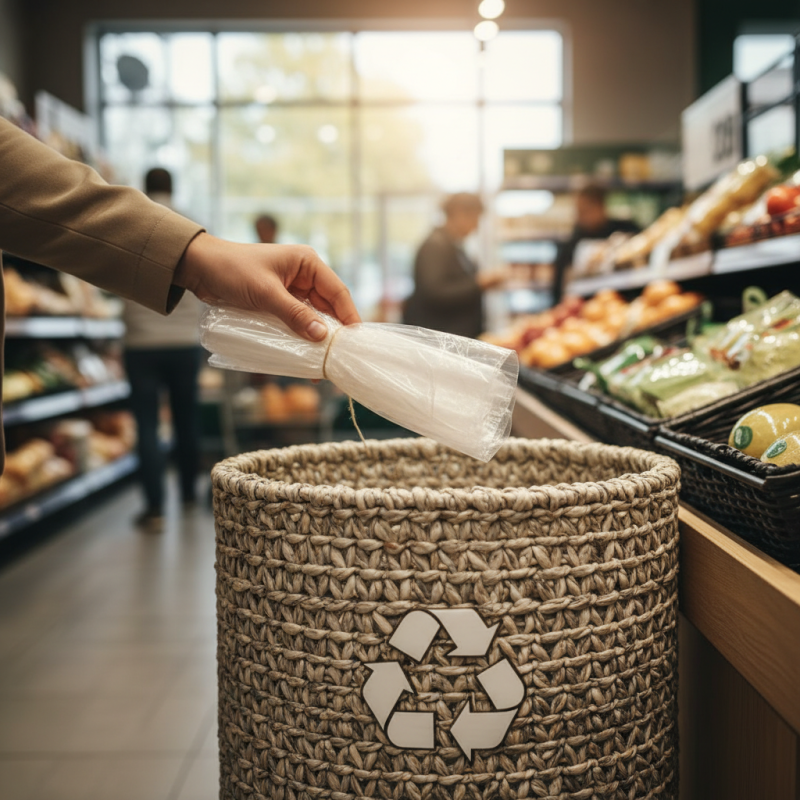
Understanding the Types of Plastic Wrappers and Their Recyclability
When it comes to recycling plastic wrappers, understanding the various types is crucial. Some plastic wrappers are recyclable, while others are not. For instance, clean plastic films commonly used for food packaging can often be recycled. However, colored or metallized wrappers usually cannot be processed in regular curbside recycling. Knowing these distinctions helps consumers make informed choices.
Many people often overlook the recyclability of these materials. They toss wrappers into the general trash, assuming they can't be recycled. This mindset can lead to increased waste in landfills. It is vital to check local recycling guidelines for accurate information. Some communities have special drop-off locations for soft plastics, which include various wrappers. By taking the time to read labels and understand what can be recycled, individuals can contribute to reducing plastic waste more effectively.
Still, there are challenges. Even recyclable wrappers can only be processed if they are clean and dry. A greasy chip bag, for example, is usually not recyclable. This presents a need for consumers to be more diligent in cleaning their recyclables. Reflection on our recycling habits may lead to better practices and a cleaner environment.
How to Recycle Plastic Wrapper Effectively? - Understanding the Types of Plastic Wrappers and Their Recyclability
| Type of Plastic Wrapper |
Recyclability |
Common Uses |
Recycling Tips |
| Polyethylene (PE) |
Yes, in some regions |
Grocery bags, food wraps |
Clean and dry before recycling |
| Polypropylene (PP) |
Limited recycling options |
Food containers, straws |
Check local guidelines |
| Polyvinyl Chloride (PVC) |
Not widely recyclable |
Packaging, shrink wraps |
Avoid disposal in recycling bins |
| Low-Density Polyethylene (LDPE) |
Occasionally accepted |
Bread bags, dry cleaning bags |
Consult local facilities |
| Expanded Polystyrene (EPS) |
Generally not recyclable |
Foam food containers |
Reuse or dispose of in trash |
Common Misconceptions About Recycling Plastic Wrappers
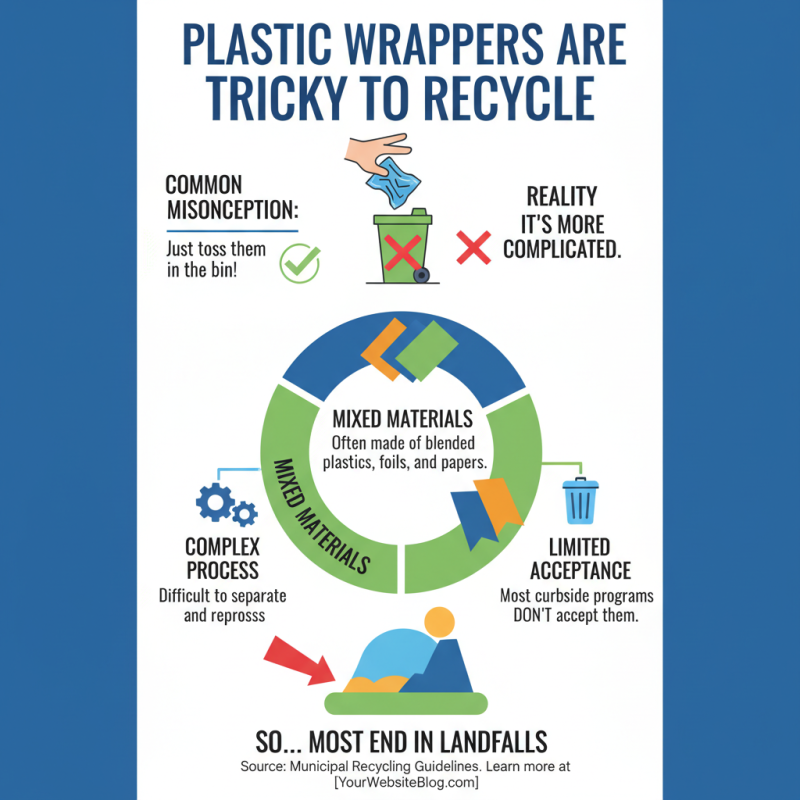
Many people believe that recycling plastic wrappers is as simple as tossing them into the bin. This misconception can lead to frustration and confusion. Plastic wrappers are often made of mixed materials. These blends complicate the recycling process. In many municipalities, they are not accepted in curbside recycling programs. Instead, they usually end up in landfills.
Another common belief is that all plastic wrappers are recyclable. In reality, only specific types can be processed. For example, those marked with certain recycling numbers are often accepted at designated drop-off locations. Many people overlook these details. They assume that all plastic is created equal. It’s crucial to check local recycling guidelines. Awareness helps us make better choices.
People often think clean plastic wrappers are recyclable, even if they’re soiled. However, residue can contaminate the recycling stream. Consequently, dirty wrappers may spoil an entire batch. This highlights the importance of proper preparation before recycling. Rinsing plastic wrappers can make a difference, but it’s often neglected. Simple actions can significantly impact recycling outcomes.
Step-by-Step Guide to Clean and Prepare Plastic Wrappers for Recycling
Plastic wrappers make up a significant portion of plastic waste. The The Recycling Partnership estimates that only 9% of plastic waste gets recycled, which includes wrappers. Most do not know how to prepare them for recycling properly.
Start by cleaning the wrappers. Rinse them with water to remove any food residue. This step is crucial. Dirty wrappers contaminate the recycling stream. After rinsing, flatten the wrappers to save space.
Next, store the cleaned wrappers in a designated bin. It’s vital to keep them separate from non-recyclables. Remember, not all facilities accept plastic wrappers. Check local guidelines for specific instructions. Recycling should not be a guessing game. By implementing these steps, you contribute to waste reduction. Yet, we still have much room for improvement in recycling efforts across communities.
Finding Local Recycling Programs and Drop-Off Locations for Plastic Wrappers
Finding local recycling programs for plastic wrappers can be a challenge. Start by checking your community's official website for resources. Many towns offer recycling days or programs specifically for soft plastics. Local grocery stores sometimes have drop-off locations. They might take plastic film materials that curbside services cannot.
Research is key. Not every recycling program accepts plastic wrappers, so verify what they accept. You can also reach out to recycling centers in your area. Sometimes, they provide information on how to properly prepare wrappers for recycling. Contacting them directly will help avoid confusion.
You may encounter obstacles, such as limited facilities. Some areas lack sufficient options for recycling soft plastics. It’s disheartening when efforts to recycle feel futile. If you find no options, consider other ways to reduce plastic usage. Moreover, joining community clean-up events can raise awareness. This can inspire positive action towards recycling efforts where you live.
Alternative Uses for Plastic Wrappers to Minimize Waste
Plastic wrappers are often seen as waste. However, they can have alternative uses that help reduce landfill contributions. One common method is to reuse them as packaging for gifts. These wrappers can add a unique touch while promoting recycling.
Another way to repurpose plastic wrappers is in craft projects. These materials can be transformed into decorative items. For instance, you can weave them into colorful baskets. This not only minimizes waste but also sparks creativity.
Sometimes, it feels challenging to find new uses for these wrappers. We often toss them aside without thinking. Yet, it’s essential to reflect on their potential. By finding alternative uses, we not only cut down on waste but also inspire others to be more resourceful.
Plastic Wrapper Recycling Rates by Type