How to Recycle Plastic Wrapper Effectively?
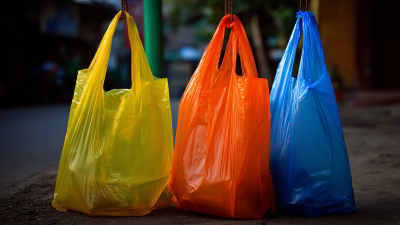
Plastic wrapper has become a common part of our daily lives. From snacks to electronics, it's everywhere. However, many people struggle with how to recycle it effectively. Often, plastic wrappers end up in landfills, contributing to pollution.
Recycling plastic wrappers can be challenging. Not all facilities accept them, and confusion prevails. Individuals often toss these items into general recycling bins, thinking they won’t harm the environment. Unfortunately, this can lead to contamination of recyclable materials, which increases waste.
It’s essential to explore proper methods for recycling plastic wrappers. Some stores now offer recycling drop-off programs. Local guidelines may vary, leading to mistakes. Understanding the rules can make a difference. Everyone can play a part in reducing plastic waste, but it takes effort and awareness. We can do better.
Understanding the Environmental Impact of Plastic Wrappers
Plastic wrappers are common in our daily lives. They provide convenience but come with significant environmental costs. According to a 2022 report by the World Economic Forum, about 300 million tons of plastic are produced each year. A significant portion of this is plastic film and wrappers. Most of these items are not recyclable, leaving much of it to end up in landfills and oceans.
The environmental impact is dire. Marine life is threatened, with over 100,000 marine animals dying each year from plastic ingestion. These wrappers take hundreds of years to decompose. Many simply break down into microplastics, infiltrating our food chains. It's frustrating to realize that despite the convenience, the long-term effects are damaging our planet.
Tips: Choose reusable alternatives when possible. Consider beeswax wraps instead of plastic. Educate yourself on local recycling programs and what is accepted. Before tossing that plastic wrapper, check if it can be recycled in your area. Not all plastics are created equal. Reflect on your choices and their impacts. Small shifts in habits can lead to substantial changes in our environment.
Identifying Recyclable vs. Non-Recyclable Plastic Wrappers
Identifying recyclable and non-recyclable plastic wrappers is essential for effective recycling. Many people mistakenly believe all plastic can be recycled. However, each wrapper has different properties. For instance, soft plastic wrappers, like those from snacks, may not be accepted by standard recycling programs. They require special handling.
Some wrappers are marked with recycling symbols. Check for a number inside the triangle. Numbers 1 and 2 are often recyclable. But numbers 3 through 7 can vary widely. Not all facilities accept every type. Local rules matter. You should consult your community guidelines to avoid confusion.
Certain wrappers can also be compostable. Look for materials labeled as biodegradable or made from plants. But remember, not all biodegradable materials break down in home composting systems. Sometimes, they need industrial facilities. Take time to learn what your area can process. This understanding can lead to better waste management practices.
Steps to Properly Clean and Prepare Plastic Wrappers for Recycling
When it comes to recycling plastic wrappers, preparation is key. Start by rinsing the wrappers in warm water. This removes any food residue or sticky substances. A quick, gentle wash is usually enough. Don't soak them for too long, as this may damage the material. If there are multiple layers, try to separate them.
After cleaning, let the wrappers dry completely. This step might seem tedious, but it’s essential. Moisture can contaminate recycling processes. Check for local recycling guidelines. Some areas accept plastic wrappers, while others do not.
Sometimes, recycling can feel overwhelming. You might wonder if your efforts make a difference. It’s common to feel uncertain about what's recyclable. Pay attention to local regulations. Reflect on your habits and how you can reduce wrapper waste in the first place. Remember, every small action counts in the effort to protect the planet.
Where to Find Local Recycling Facilities for Plastic Wrappers
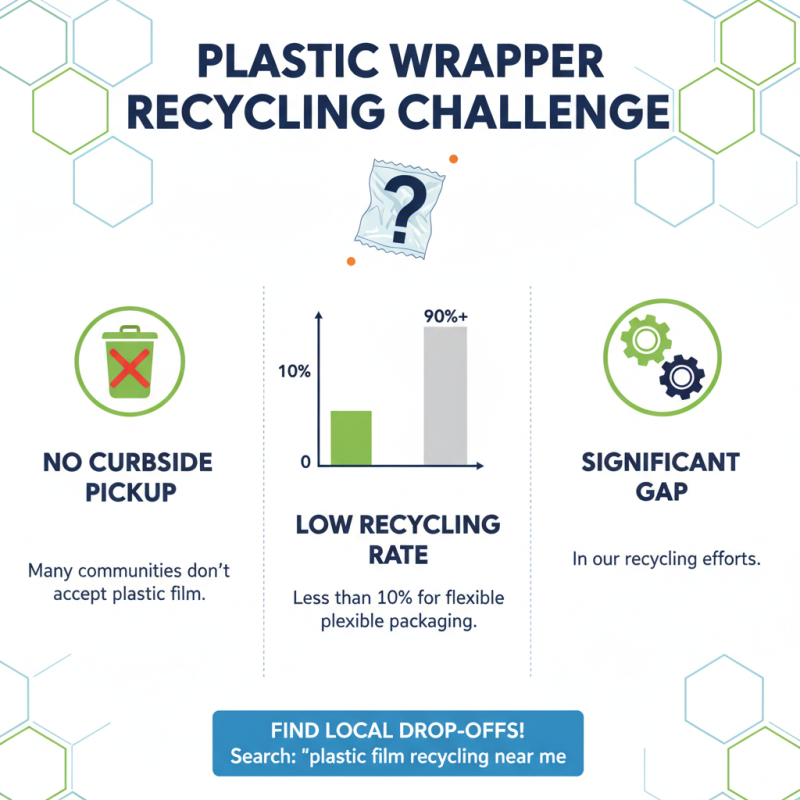
When looking for local recycling facilities for plastic wrappers, it can be a challenge. Many communities do not accept plastic film in curbside recycling. According to the Flexible Packaging Association, the recycling rate for flexible packaging, including plastic wrappers, is less than 10%. This highlights a significant gap in our recycling efforts.
To find local facilities, start by checking with municipal waste management. Some areas have drop-off centers specifically for plastic films. Additionally, national retailers often have collection bins for plastic bags and wrappers. The Wrap Recycling Action Program offers a locator tool that can help you find nearby facilities.
Despite these resources, many people remain unaware. A survey from the National Recycling Coalition revealed that 47% of respondents did not know where to recycle flexible plastics. As we strive for improvement, it's essential to educate ourselves and our communities on available options. Each small step can lead to better management of plastic waste.
Alternatives to Recycling: Eco-Friendly Disposal Options
When considering eco-friendly disposal options for plastic wrappers, one might feel overwhelmed. While recycling is a common choice, it’s not always effective. Many wrappers are not recyclable in curbside programs. Thus, exploring alternatives becomes essential.
One option is to repurpose old plastic wrappers. For instance, turn them into colorful gift wrap or use them for arts and crafts. This practice encourages creativity and reduces waste. Another alternative is to use biodegradable or compostable wrappers. They break down naturally, offering a sustainable solution.
Tips: Always check local regulations regarding disposal. Sometimes, community recycling programs may accept certain plastic types. Educate yourself about innovative disposal methods. Joining local clean-up events helps raise awareness about plastic pollution. Remember, the smallest efforts can lead to significant change, even if they feel imperfect.
Plastic Wrapper Disposal and Recycling Options