Top Tips for Operating a Fiberglass Mesh Machine Effectively?
In the competitive world of construction and manufacturing, the efficiency of a fiberglass mesh machine is crucial. Industry reports reveal a growing demand for fiberglass mesh products, with a projected market growth of 5.4% annually until 2026. As companies strive to meet this demand, maximizing machine performance becomes essential. An effective fiberglass mesh machine can significantly impact production rates and product quality.
However, challenges remain in operating these machines. Many operators face issues such as material wastage and inconsistent output. According to a recent study, improper machine calibration can lead to up to a 15% increase in material costs. Understanding the nuances of machine operation will help address these challenges and improve overall productivity.
Investing time in training operators on best practices is vital. Regular maintenance and adjustments of the fiberglass mesh machine can enhance longevity and performance. Reflection on operational processes can lead to better strategies and solutions that drive success in this growing market.
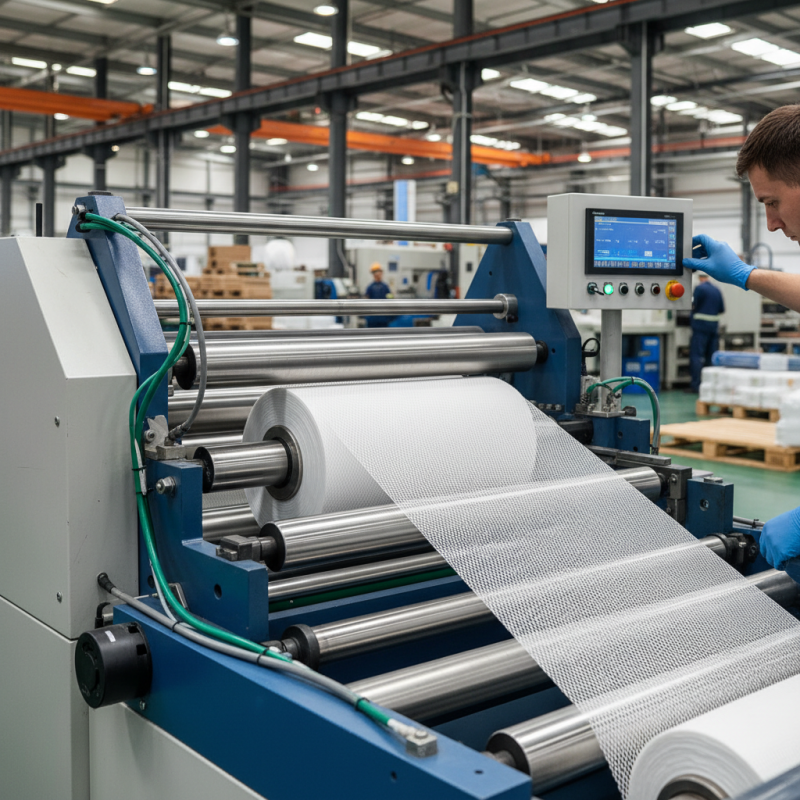
Key Features of Fiberglass Mesh Machines and Their Importance
Fiberglass mesh machines are essential for producing strong, durable materials. Their key features significantly influence the manufacturing process. One notable feature is the speed of operation. Faster machines can increase productivity, but they may also compromise quality. It’s crucial to find a balance between speed and precision.
Another important characteristic is mesh tension control. Proper tension is vital for achieving consistent patterns. However, poorly adjusted tension can lead to defects in the final product. Regular maintenance and calibration of the tension settings can help avoid these issues. Attention to detail in these areas often makes a substantial difference.
The technology used in fiberglass mesh machines should not be overlooked. Advanced digital controls enhance accuracy and make operation easier. Still, harnessing this technology requires understanding its complexities. Training operators on these advanced systems can sometimes be a challenge. Investing in knowledge and skills pays off in the long run, reducing errors and waste.
Understanding Raw Materials: Selecting the Right Fiberglass Yarn
When it comes to selecting the right fiberglass yarn for your mesh machine, the choice of raw materials is crucial. Fiberglass yarn is known for its strength and durability. According to a market report by Research and Markets, demand for fiberglass products is projected to grow by 8% annually. This growth indicates a rising reliance on quality materials in production processes.
Effective operation starts with understanding the specifications of fiberglass yarn. Different types are available, such as E-glass and S-glass fibers. E-glass offers good electrical insulation, while S-glass provides superior mechanical properties. The right choice can significantly impact the finished mesh product's strength and reliability. A mismatch here can lead to product failure, which is costly.
Selecting the right yarn is not always straightforward. Many options exist, and individual projects may require unique specifications. Fiber diameter, tensile strength, and temperature resistance are key factors. Engaging with suppliers who have expertise in composites can be invaluable. However, it's essential to balance quality with cost. Overemphasis on one may lead to neglecting the other.
Optimal Machine Settings for Enhanced Production Efficiency
When operating a fiberglass mesh machine, optimal machine settings are crucial for maximizing production efficiency. Recent industry reports indicate that proper tension control can improve output by nearly 20%. This means adjusting the warp and weft tension to prevent defects and ensure uniform quality. Operators should regularly monitor these settings for any inconsistencies. A small variance in tension can lead to increased wastage.
Temperature also plays a significant role. Studies reveal that maintaining the resin temperature between 20°C to 25°C enhances curing times and improves adhesion. If the temperature fluctuates, it can result in bubbles and uneven coatings, negatively impacting production rates. Operators need to ensure that heating elements are functioning optimally.
It’s essential to consider operational speeds too. Running the machine too fast can compromise product quality. A speed reduction of just 10% can lead to significant improvements in the finished product’s integrity. Constantly revisiting speed settings based on materials used is a necessary step. Regularly assessing these parameters will help in identifying areas for improvement, ultimately leading to better efficiency and reduced costs.
Common Operational Challenges and How to Overcome Them
Operating a fiberglass mesh machine can present various challenges. One common issue is ensuring consistent tension. If the tension is too high or too low, mesh quality suffers. Operators often overlook this aspect. Regular checks are essential. Consider using tension gauges for accuracy. It may seem tedious, but it's crucial for producing quality products.
Another challenge lies in materials handling. Fiberglass is sensitive to moisture and temperature changes. Improper storage can lead to defects. Ensure the materials are stored in a dry, temperature-controlled environment. Implementing a monitoring system can help. Sometimes, operators forget to log these conditions. Small details matter, and neglecting them can lead to significant production delays.
Operators also face issues with machine calibration. Minor misalignments can cause irregularities in mesh patterns. Regular calibration checks should be part of the routine. A quick visual inspection can reveal issues before they escalate. Encourage team members to document their findings. This practice promotes reflection and improvement, ensuring better outcomes in the long run.
Maintenance Practices to Extend the Lifespan of Fiberglass Machines
Maintaining fiberglass mesh machines is essential for efficiency and longevity. Regular cleaning is a basic yet often overlooked practice. Dust and debris can accumulate, disrupting smooth operation. Use a soft brush to remove particles and a damp cloth for the surfaces. Regular checks can prevent small issues from becoming big problems.
Lubrication is another vital aspect. Apply the recommended lubricant to moving parts. If neglected, parts may grind against each other, causing wear. Check the manufacturer's guidelines to avoid using unsuitable products. Pay attention to signs of friction or noise; these can signal that maintenance is due.
Regular inspection of components, such as rollers and belts, is necessary. Small cracks or fraying can lead to larger breakdowns. Maintain a log of any repairs or replacements. This helps in recognizing patterns or frequent issues. Even minor neglect in these areas can result in increased downtime and higher costs.
Top Tips for Operating a Fiberglass Mesh Machine Effectively