How to Choose the Right Pouch Plastic Bag for Your Needs?
Choosing the right Pouch Plastic Bag can significantly affect your product's appeal and functionality. The global flexible packaging market is projected to reach $350 billion by 2027, with pouch bags being a major segment. These bags are lightweight and adaptable, making them ideal for various industries, from food to cosmetics.
However, selecting the right pouch type is not always straightforward. Many businesses overlook critical factors like barrier properties, seal integrity, and material thickness. A study from Packaging Strategies revealed that 75% of consumers prefer products in pouches due to convenience and sustainability. Nevertheless, not all pouches meet quality standards, leading to potential waste and customer dissatisfaction.
It's essential to reflect on your unique needs before purchasing. Do you require resealable features? Or perhaps high moisture resistance for perishable goods? Assessing these needs is vital. While Pouch Plastic Bags offer many advantages, choosing incorrectly can lead to unforeseen challenges. Take the time to analyze your options and make informed decisions.
Understanding the Different Types of Pouch Plastic Bags
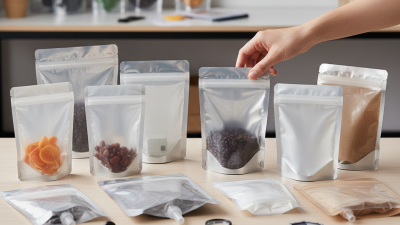
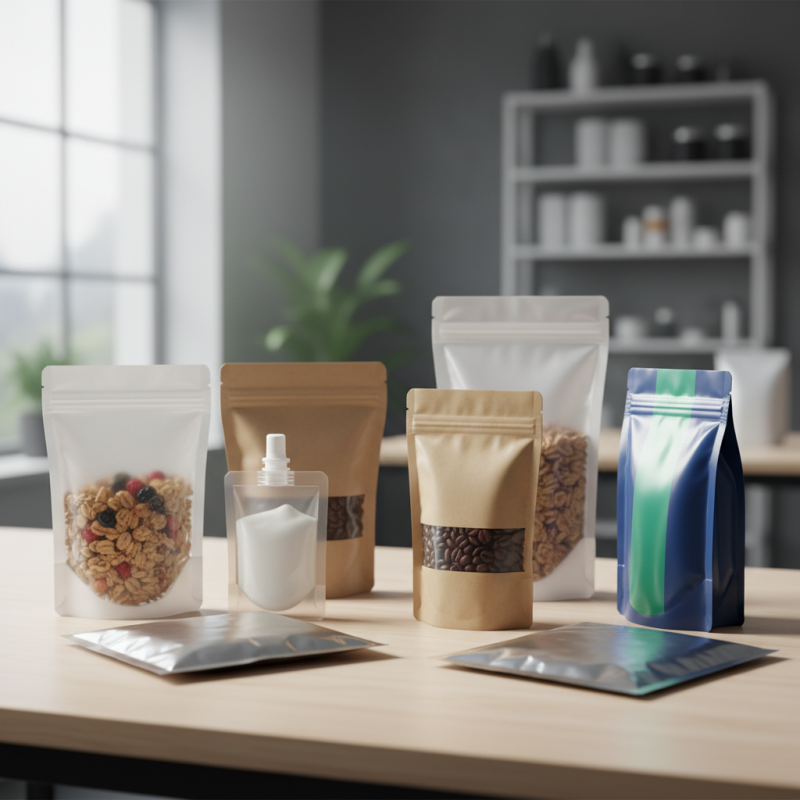
When selecting the right pouch plastic bag, understanding the various types is vital. Stand-up pouches are popular for their ability to stand on shelves. They often include zippers for easy resealing. These features make them ideal for snacks and dry foods. Flat pouches, on the other hand, offer a simpler design. They are excellent for items that don't require a lot of space. Consider how much air the product needs.
Kraft paper pouches add a rustic touch. They are often biodegradable and can appeal to environmentally conscious consumers. Clear pouches showcase the product inside, making them great for candies or small items. Think about the thickness of the material as well. Thinner bags may save costs, but they might not protect items as well. A thicker pouch can offer better durability but may increase shipping costs.
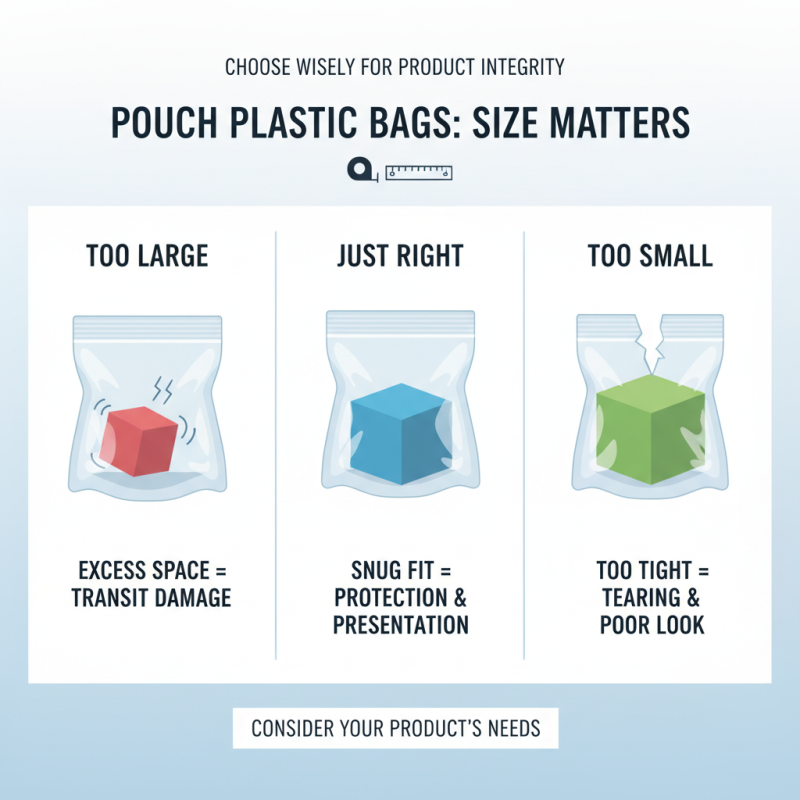
Choosing the right size is also important. A pouch that’s too large can lead to extra shipping expenses. A size that's too small can damage the contents. Take your time to analyze the needs of your product. Reflect on what features will best suit your target market.
Key Factors to Consider When Choosing Pouch Plastic Bags
When selecting the right pouch plastic bag, several key factors come into play. The size of the bag matters significantly. Smaller bags are ideal for low-volume items, while larger ones suit bulkier products. Also, think about the thickness of the material. Thicker bags often provide better durability and protection, but they can be heavier too.
Consider the design features you need. Some pouches have resealable zippers, while others may come with spouts. Each option serves a different purpose. For instance, spouted pouches are excellent for liquids. A simple mistake might be overlooking the seal quality. An unsecured bag can lead to spills or damage.
Finally, reflect on the environmental impact. Many bags are recyclable, while others may not be. Choosing eco-friendly options can positively influence your brand image. However, balancing quality and sustainability is not always straightforward. You may find yourself asking for advice or experimenting. Making the right choice requires thorough thought and consideration.
Evaluating the Size and Dimensions for Your Specific Needs
Choosing the right pouch plastic bag starts with understanding size and dimensions. When evaluating your needs, consider the items you plan to pack. For small products, a bag that is too large can lead to excess space, which may cause damage during transit. Conversely, a bag that’s too snug can result in tearing and a poor presentation.
Many forget to measure their products before selecting a bag. A simple miscalculation can lead to frustration. It’s wise to create a list of dimensions for each item. Don’t just rely on estimates. This may result in wasted resources and unnecessary costs.
Another factor to reflect on is the bag's use. Will it be for storage or display? Some may opt for a clear bag to showcase contents, while others might need opaque options for confidentiality. Think about these details carefully to avoid choosing the wrong type of bag. It can be easy to overlook the importance of size. Don't make this mistake; take the time to evaluate your needs thoroughly.
Assessing Material Durability and Environmental Impact
When selecting a pouch plastic bag, understanding material durability and environmental impact is crucial. Many bags are made from polyethylene (PE) or polypropylene (PP), both of which have distinct qualities. For instance, PE bags are known for their flexibility and are commonly used in food packaging. However, their environmental footprint is concerning. According to a 2022 study by the Environment Agency, plastic bags contribute to significant waste, taking over 400 years to decompose.
The durability of a pouch bag plays a vital role in its usability. Thicker bags typically hold more weight and resist tearing. However, this durability often means increased plastic use, raising sustainability concerns. According to the Global Plastics Alliance, the production of plastic for bags alone accounts for 4% of the global oil production. Transitioning to biodegradable options is a potential solution, yet these materials may also require specific conditions to degrade effectively, leading to further challenges in waste management.
Choosing the right bag isn't simple. While recyclable options exist, consumer behavior often doesn’t align with recycling practices. Statistics show that only 9% of plastic waste is recycled globally. This raises questions about the real impact of switching materials. Are consumers equipped to manage these changes effectively? Balancing functionality and sustainability requires careful consideration and awareness of the lifecycle of the products we choose.
Exploring Customization Options for Branding and Functionality
Choosing the right pouch plastic bag goes beyond just function. Customization plays a crucial role in branding. Tailoring your packaging can improve visibility and appeal. For instance, consider unique colors and prints that reflect your brand identity. You might want to use eco-friendly materials for a more sustainable option. These choices can set you apart in a crowded market.
Functionality is also essential. Are you packaging dry snacks or liquids? The design must accommodate these needs. Custom closures can enhance usability. However, it's not always so clear-cut. Sometimes, the materials used might not align with your vision, requiring adjustments.Think about your target audience. What will attract their attention? Developing a successful design may take several attempts. Reflecting on past choices can lead to improvement. The right pouch bag is a blend of creativity and practicality.
How to Choose the Right Pouch Plastic Bag for Your Needs? - Exploring Customization Options for Branding and Functionality
| Bag Type |
Size (inches) |
Material |
Customization Options |
Recommended Use |
| Stand-Up Pouch |
6 x 9 |
PET/PE |
Full-color printing, Zipper top |
Snacks, Coffee, Powders |
| Flat Pouch |
5 x 7 |
BOPP |
Custom shapes, Matte finish |
Cosmetics, Jerky |
| gusseted Bag |
4 x 10 |
Laminated films |
Window cut, Label applicator |
Tea, Bakery products |
| Retort Pouch |
8 x 12 |
Aluminum foil |
High temperature resistance, Custom printing |
Ready meals, Sauces |