2026 How to Choose the Right Polythene Bags for Your Needs?
Polythene bags are widely used across various industries. They are popular for their versatility and durability. According to a report from Smithers Pira, the global polythene bag market was valued at $7.3 billion in 2020 and is expected to grow significantly. This growth highlights the increasing reliance on polythene bags for packaging and storage solutions.
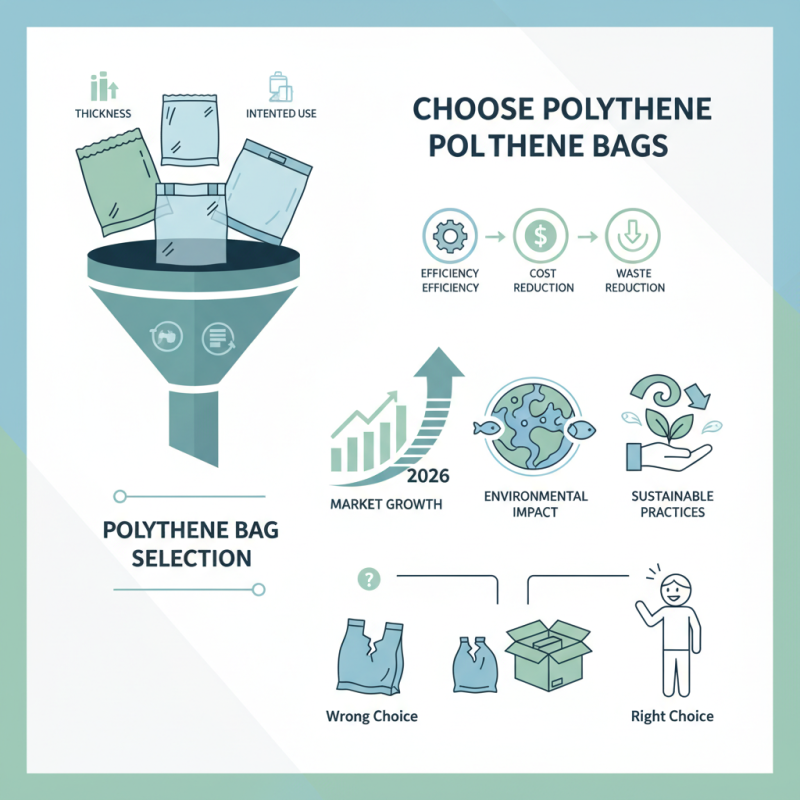
Choosing the right polythene bags is not always straightforward. Many factors come into play, such as thickness, size, and intended use. A well-chosen polythene bag can enhance efficiency and reduce costs. However, the wrong choice can lead to waste and frustration. For example, businesses often underestimate the impact of the bag's thickness on its durability and environmental impact.
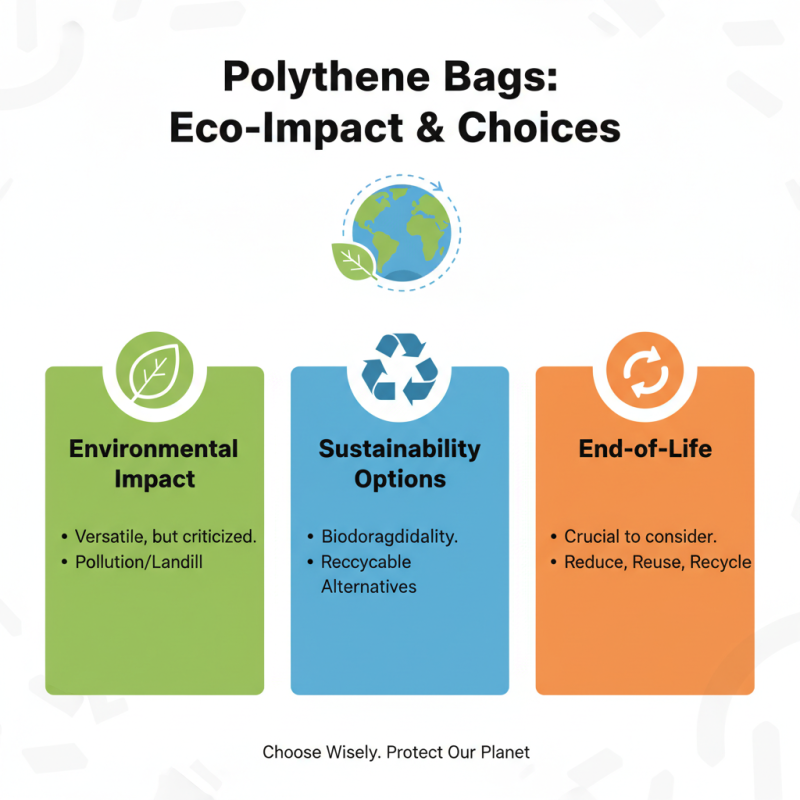
In recent years, the spotlight has turned to environmental concerns. Reports indicate that around 8 million tons of plastic enter the oceans annually. While polythene bags are recyclable, consumer awareness remains low. Reflecting on our choices is critical as we navigate this growing market. Understanding the role and characteristics of polythene bags can lead us to more sustainable practices.
Understanding Different Types of Polythene Bags and Their Uses
When choosing polythene bags, understanding the types is crucial. Polythene bags vary in thickness, strength, and size, making each suitable for different purposes. For instance, low-density polyethylene (LDPE) bags are lightweight and flexible. They are ideal for packaging food items and can withstand moisture. A study from the Plastics Industry Association states that LDPE accounts for about 20% of the polythene market.
Meanwhile, high-density polyethylene (HDPE) bags are sturdier. They work well for carrying groceries or heavier items. The versatility of HDPE is evident in its widespread use in retail. Reports show that more than 60% of consumers prefer HDPE bags for their strength.
Tips: Consider your specific needs. If you require bags for waste collection, opt for thicker, heavy-duty versions. If the bags will be used for lighter items, a standard LDPE option may suffice. Assess the environmental impact as well; some polythene bags are recyclable.
Also, reflect on the purpose of your purchase. Are the bags biodegradable? Are they suitable for your target audience? Understanding these factors can guide you to the right choice. Proper selection not only enhances your business but also promotes sustainability.
2026 How to Choose the Right Polythene Bags for Your Needs?
| Type of Polythene Bag |
Thickness (microns) |
Strength |
Common Uses |
| Low-Density Polyethylene (LDPE) |
20-30 |
Flexible and tear-resistant |
Grocery bags, food packaging |
| High-Density Polyethylene (HDPE) |
10-40 |
Stiff and strong |
Trash bags, industrial use |
| Linear Low-Density Polyethylene (LLDPE) |
25-100 |
Very flexible and tough |
Stretch films, agricultural use |
| Recyclable Polythene Bags |
40-60 |
Varies based on type |
Environmentally-friendly options |
Assessing Size and Thickness Requirements for Your Applications
When choosing polythene bags, size and thickness are crucial. The right dimensions ensure that your items fit properly. Bags that are too small may lead to tears, while oversized bags can create unnecessary waste. Assess your products carefully. Measure your items to select bags that match their length, width, and height.
Thickness also plays an essential role. Polythene bags come in various thicknesses, typically measured in microns. A thicker bag offers more durability. It withstands more weight and resists punctures. For heavier items, consider bags that are at least 50 microns thick. For lighter products, a thinner option might suffice.
Tips: Always test the bags you choose. Sometimes, even a small size difference can affect function. Additionally, consider your environment. Bags used outdoors may need more strength than those in a controlled space. Pay attention to user feedback, as it can provide insight into the performance of your selected bags. Evaluating size and thickness based on real-world applications can save you from potential issues.
2026 How to Choose the Right Polythene Bags for Your Needs?
Choosing the Right Closure Types for Your Polythene Bags
When selecting polythene bags, choosing the right closure type is crucial. Various closures impact utility and security.
For instance, zip-lock closures offer convenience and reusability. They are perfect for items that need protection from air or moisture.
However, they may not be suitable for every product. If the bag will be used for one-time applications, a simple heat seal might suffice.
Another option is the adhesive seal. It provides a good balance between accessibility and security.
But can it hold up under pressure? It’s essential to consider the weight and contents.
Latch or snap closures can also be beneficial for bulkier items. They offer strength, but might add complexity to the design.
Reflect on what you need. Are the goods fragile? Consider bags with more robust closures.
Think about how often you’ll open and close the bags. Ease of use should not be overlooked.
Finding that perfect closure type requires careful thought. Balancing functionality with your specific needs sets the right foundation for effective solutions.
Comparing Cost-Effectiveness and Quality of Different Suppliers
When selecting polythene bags, cost-effectiveness is a major concern. Many suppliers offer varying prices depending on quality and durability. A cheaper option may save money upfront but could lead to issues later. For instance, thinner bags might break easily, causing loss of contents. It’s essential to weigh these factors before making a decision.
Quality should not be overlooked. Thicker bags typically offer better protection and can hold more weight. However, they might come at a higher price. It’s important to assess your specific needs. If you handle heavier items, robust bags are likely worth the investment. Yet, many people mistakenly choose the least expensive option without considering these trade-offs.
Researching different suppliers can be time-consuming. Some may provide misleading information about their products. It’s vital to read reviews and gather insights from previous customers. This can help in identifying reliable options. Balancing cost and quality often leads to more satisfactory purchases in the long run.