Why Choose Packing Bag Plastic for Your Packaging Needs?
In today's packaging industry, the choice of materials can significantly impact business sustainability and consumer perception. Packing Bag Plastic has emerged as a preferred option for various sectors. According to a report by Smithers Pira, the global market for plastic packaging is projected to reach $450 billion by 2025, highlighting its growing importance.
One major advantage of Packing Bag Plastic is its versatility. It can be customized for numerous products, from food items to industrial goods. This adaptability allows businesses to cater to specific needs, enhancing overall customer satisfaction. However, it is essential to weigh environmental concerns against efficiency. While many consumers appreciate the practicality of plastic, increasing scrutiny surrounding its environmental impact cannot be ignored.
Moreover, the durability of Packing Bag Plastic plays a crucial role in reducing waste. Research indicates that properly designed plastic bags can prevent product spoilage, thereby minimizing waste levels. However, manufacturers must also consider potential recycling challenges. As the industry evolves, finding a balance between functionality and sustainability will be essential for long-term success.
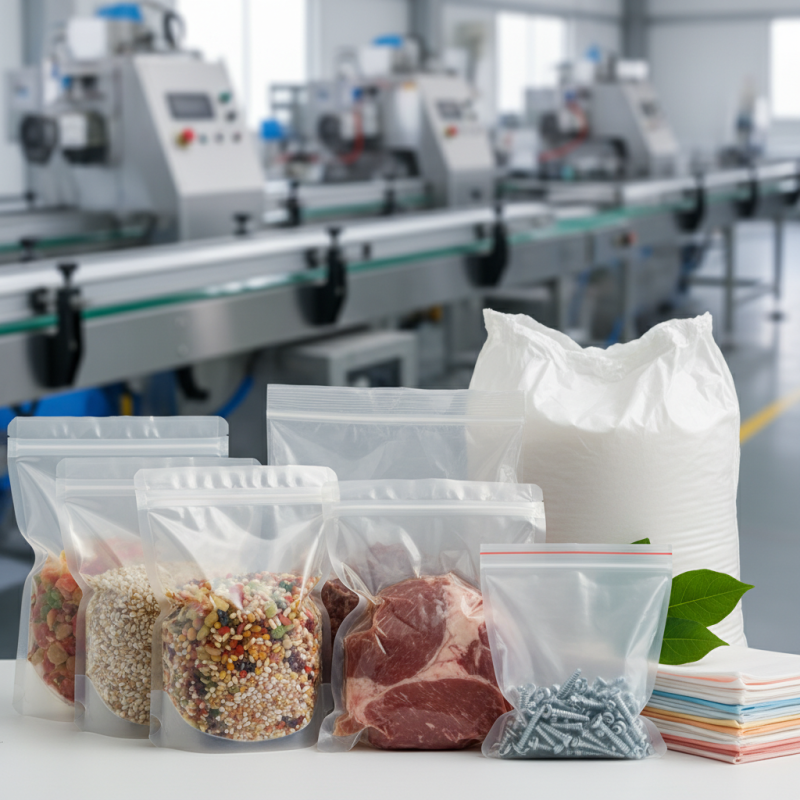
Understanding the Benefits of Plastic Packing Bags in Packaging
Plastic packing bags offer numerous advantages for various packaging needs. According to industry reports, these bags are lightweight, reduce shipping costs, and are versatile for different products. In fact, research indicates that over 80% of manufacturers prefer plastic bags for their durability and resistance to moisture.
One of the key benefits is their flexibility in design. Plastic bags can be customized in size, thickness, and color to enhance branding. This adaptability helps businesses stand out in competitive markets. However, it’s crucial to note that not all plastic is created equal. Choosing low-quality materials may compromise the bag’s integrity.
**Tip:** When selecting plastic bags, look for those certified for quality and sustainability. This approach not only supports responsible practices but also builds consumer trust.
Another important aspect is the environmental impact. While plastic often faces scrutiny, many manufacturers are now producing biodegradable options. These alternatives help reduce landfill waste. Yet, consumers should remain aware of their disposal methods, as not all biodegradable bags break down effectively in every environment.
**Tip:** Educate your team about proper disposal methods to maximize the benefits of biodegradable options. This knowledge fosters greater environmental responsibility.
Why Choose Packing Bag Plastic for Your Packaging Needs? - Understanding the Benefits of Plastic Packing Bags in Packaging
| Benefit |
Description |
Ideal Usage |
| Durability |
Plastic packing bags are resistant to tears and punctures, ensuring that products stay safe during transport. |
Shipping and storage of fragile items |
| Lightweight |
Reducing shipping costs and making handling easier without sacrificing strength. |
E-commerce businesses |
| Water Resistance |
Offers protection against moisture, helping to keep products dry. |
Food packaging, electronics, and pharmaceuticals |
| Customizability |
Available in various sizes, colors, and designs to fit branding needs. |
Retail and promotional items |
| Eco-Friendly Options |
Many plastic packing bags are recyclable and can be made from recycled materials. |
Companies focused on sustainability |
The Versatility of Plastic Bags for Various Packaging Needs
Plastic bags offer incredible versatility for various packaging needs. They come in different sizes, colors, and materials, making them suitable for diverse industries. Whether you need a simple bag for groceries or a more durable option for packaging heavy products, plastic bags can meet those requirements. Their lightweight nature also helps reduce shipping costs, making them a smart choice for businesses.
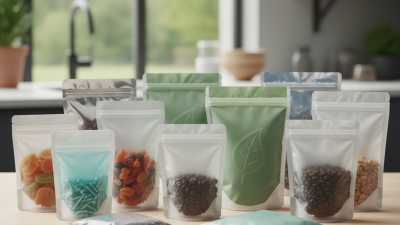
When using plastic bags, consider the types available. Different bags serve different purposes. For instance, resealable bags work well for food items, while thicker bags provide more strength for heavier goods. It’s essential to match the type of bag to your specific needs. This ensures your products remain secure and intact during transit.
Tips: Always check the bag’s weight limit before packing. This prevents damage and maintains product quality. Consider using eco-friendly options if your brand supports sustainability. This can enhance your business's reputation and appeal to environmentally-conscious consumers. Remember, not every plastic bag is the same; choose wisely to avoid waste.
Cost-Effectiveness of Using Plastic Bags for Your Business
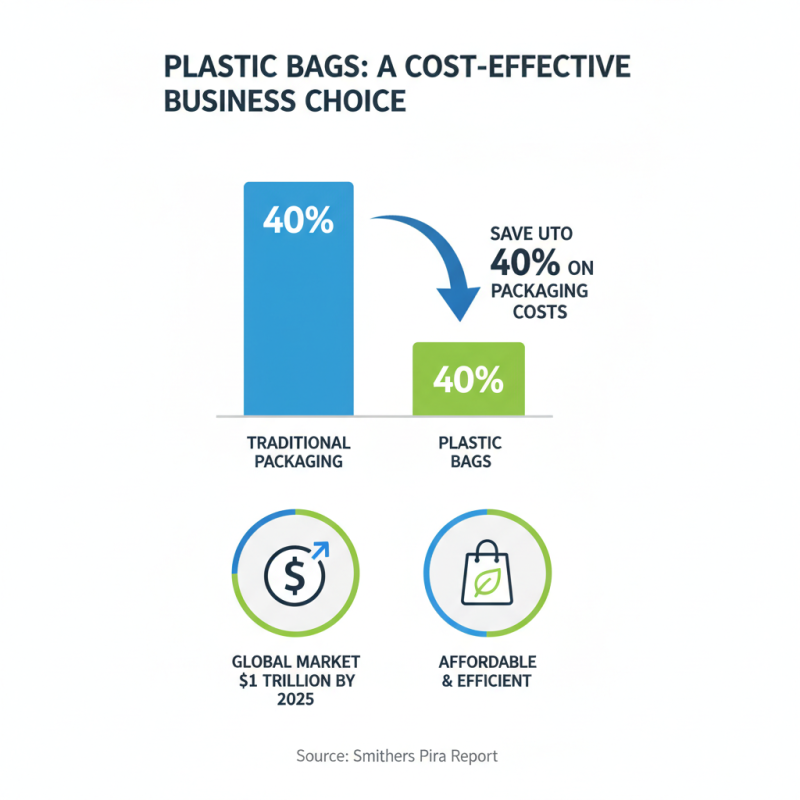
When evaluating packaging solutions, plastic bags emerge as a cost-effective option. A report from Smithers Pira indicates that the global plastic packaging market is projected to reach $1 trillion by 2025. This growth is significantly driven by the affordability of plastic materials. Businesses can lower their packaging costs by up to 40% when they switch to plastic bags compared to traditional materials.
Additionally, plastic bags are lightweight and durable, which reduces shipping expenses. According to a study by the Flexible Packaging Association, companies using flexible plastic achieve savings of 30% on transportation costs. However, it's essential to consider the environmental impact. Research shows that while plastic waste is a concern, innovations in recycling and biodegradable options are on the rise. Companies should remain aware of these challenges while benefiting from cost savings.
Flexibility in design also plays a role in cost-effectiveness. Businesses can easily customize plastic bags, leading to reduced initial setup costs. However, this requires balance; too much customization can lead to increased production expenses. Organizations must reflect on their choices and find a sustainable path forward in their packaging strategies.
Environmental Considerations in Choosing Plastic Packing Bags
When choosing packaging materials, it's essential to consider their environmental impact.
Plastic packing bags, while practical, can contribute to pollution.
Many people overlook how their choices affect the planet.
Plastic bags can take hundreds of years to decompose.
This raises concerns about waste management and environmental sustainability.
To make better choices, consider using recycled plastic bags. These options reduce the demand for new materials and lessen waste.
Look for bags labeled as biodegradable.
They break down more quickly than traditional plastics. This small change can significantly impact reducing landfill waste.
Tips: Always check local recycling guidelines. Not all plastics are recyclable in every area.
You might also try to minimize single-use plastics in your daily life.
Rethink how often you use plastic bags for shopping.
Understanding your choices empowers you to make environmentally friendly decisions.
Different Types of Plastic Packing Bags and Their Uses
Plastic packing bags come in various types, each catering to different packaging needs. For example, polyethylene (PE) bags are common in food packaging due to their moisture resistance. According to the Flexible Packaging Association, about 65% of food products in the U.S. are packaged in flexible materials, predominantly plastic. This highlights the versatility of PE bags in ensuring food safety and freshness.
Another popular type is the polypropylene (PP) bag, often used for retail and promotional items. PP bags are known for their clarity and strength, making them ideal for displaying products. In retail, they account for roughly 18% of packaging types as reported by Smithers Pira. However, it’s essential to consider the environmental impact of these bags. While they are reusable, they can become waste if not disposed of properly. This calls for better recycling practices in the industry.
Kraft paper bags are also making a comeback as sustainable alternatives. While plastic bags dominate the market, the shift towards eco-friendly options is real. According to recent statistics, about 30% of consumers prefer biodegradable packaging options. Brands are addressing this by exploring compostable materials, yet challenges remain in production costs and consumer acceptance. Balancing convenience and sustainability continues to be a vital conversation in packaging design.