Why Choose Pet Plastic Bags for Your Packaging Needs?
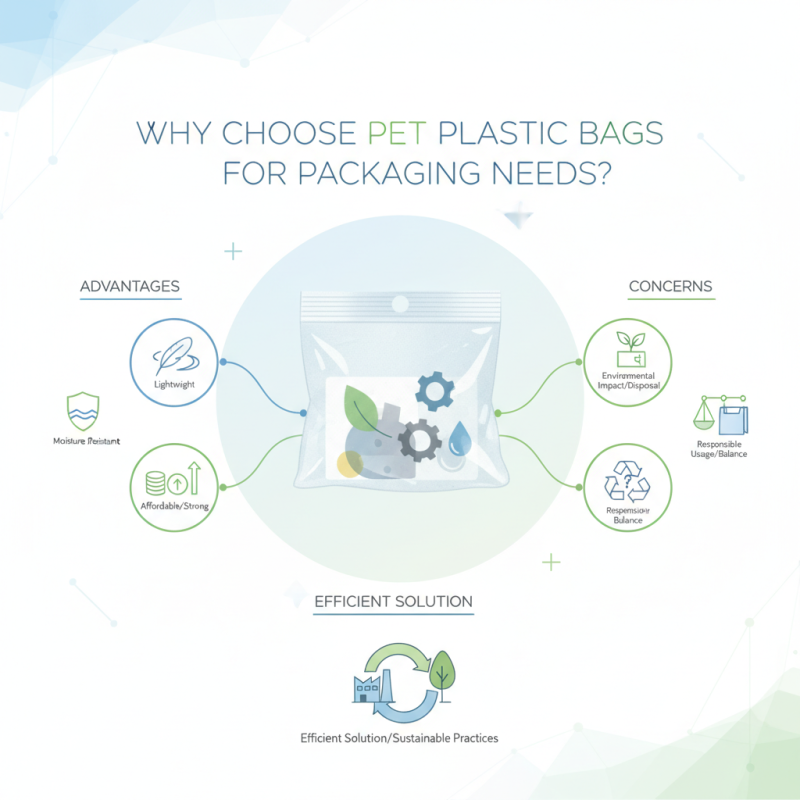
In the world of packaging, choosing the right materials is vital. When it comes to durability and versatility, the Pet Plastic Bag stands out. Many businesses are turning to these bags for various reasons. One key advantage is their lightweight nature, making them easy to handle and transport. These bags are also resistant to moisture, which protects the contents inside.
However, not everything about Pet Plastic Bags is perfect. Some may raise concerns regarding their environmental impact. While they offer excellent benefits, one must consider how to dispose of them properly. This thought prompts further reflection on responsible usage. Finding balance is crucial for sustainable practices.
Despite these concerns, Pet Plastic Bags offer an efficient solution for many packaging needs. Their affordability and strength often outweigh the drawbacks. Businesses can benefit from using them while also thinking about the environment. Embracing this material involves both advantages and responsibilities.
Understanding Pet Plastic Bags and Their Composition
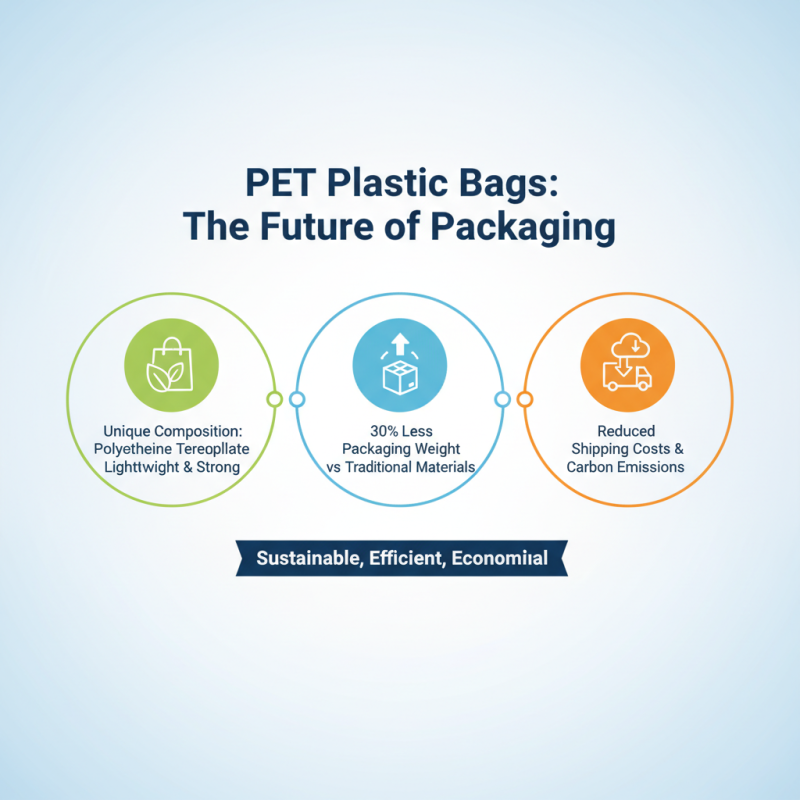
PET plastic bags have gained popularity due to their unique composition. Made from polyethylene terephthalate, they are lightweight yet strong. This combination makes them ideal for various packaging applications. Recent studies show that PET bags can reduce packaging weight by 30% compared to traditional materials. Lightweight packaging leads to lower shipping costs and reduced carbon emissions.
One significant aspect of PET plastic bags is their recyclability. According to the American Chemistry Council, PET is one of the most recycled plastics in the world. In 2021, the recycling rate for PET in the U.S. was around 28%. This figure indicates that while recovery efforts are in place, there’s still room for improvement. Many communities still lack adequate recycling programs. This can cause consumers to feel confused about proper disposal.
In terms of consumer safety, PET is deemed safe for food contact. Research shows it does not leach hazardous chemicals into food. However, concerns about microplastics remain. Researchers are studying the potential effects on health and the environment. The need for more research in this area is apparent. Despite these challenges, the benefits of PET plastic bags for sustainable packaging cannot be ignored.
Advantages of Using Pet Plastic Bags for Packaging
Pet plastic bags have gained popularity for packaging needs due to their unique advantages. These bags are lightweight yet strong, providing excellent durability without adding too much weight. Their transparency allows consumers to see the product inside easily. This visibility can enhance product appeal and facilitate quick decisions. Many people appreciate the convenience of these bags, especially for shopping and storage. They can be reused multiple times, which is a more sustainable choice compared to some alternatives.
Another key benefit is the resistance to moisture and chemicals. Pet plastic bags protect contents from external elements, keeping items fresh and intact. However, some bags may not fully seal, leading to the occasional leak. This could be a concern for liquid products. Despite this, when used correctly, they remain a reliable option. The manufacturing process has also improved, allowing for thinner but sturdier designs.
Some may argue that pet plastic bags contribute to environmental issues. While they are recyclable, not everyone takes the time to recycle. There is a growing need for better waste management solutions. Even so, their efficiency in packaging cannot be overlooked. In certain scenarios, they provide a practical choice that balances convenience with performance.
Environmental Impact of Pet Plastic Bags Compared to Alternatives
Pet plastic bags are gaining attention in packaging due to their lower environmental impact. A report from the Environmental Protection Agency (EPA) indicates that PET is recyclable, unlike many plastic alternatives. In fact, about 70% of PET bags can be recycled, contributing to a circular economy. This is a significant improvement compared to paper packaging, which often requires more resources for production and disposal.
However, while PET bags are more eco-friendly, they are not without flaws. Decomposition can take hundreds of years if they end up in landfills. Additionally, many consumers still lack proper recycling habits, leading to increased pollution. A survey by the National Recycling Coalition pointed out that nearly 60% of PET is not recycled in the U.S. This gap raises critical questions about how we manage plastic waste effectively.
Consumers increasingly demand sustainable options. Yet, we often overlook the real-life applications of recycling. Education plays a crucial role in ensuring that PET bags are disposed of properly. Improvements in infrastructure for recycling can make a big difference. But change requires time and community effort. The potential of PET plastic bags is evident, but responsible use is essential.
Why Choose Pet Plastic Bags for Your Packaging Needs? - Environmental Impact of Pet Plastic Bags Compared to Alternatives
| Packaging Material |
Recyclability |
Carbon Footprint (kg CO2e per kg) |
Biodegradation Time |
Cost (per kg) |
| PET Plastic Bags |
Highly recyclable |
2.5 |
1000 years in landfill |
$2.00 |
| HDPE Plastic Bags |
Recyclable |
1.8 |
100-300 years in landfill |
$1.50 |
| Biodegradable Bags |
Compostable |
3.5 |
3-6 months in composting |
$3.00 |
| Paper Bags |
Recyclable |
2.2 |
1 month in landfill |
$2.50 |
Applications of Pet Plastic Bags in Various Industries
Pet plastic bags find their home across various industries. In the food sector, these bags store snacks, fruits, and bread. They are lightweight and keep items fresh. However, they may not be ideal for products needing long-term preservation. Some products can degrade if not monitored properly.
In the retail space, pet plastic bags are popular. They are often used for clothing, shoes, and accessories. The clear material displays items effectively, enhancing customer experience. Yet, the lack of sturdiness can lead to tears during transit. Retailers need to find a balance between appearance and durability.
In the healthcare industry, pet plastic bags package medical supplies. They provide a barrier against contamination, crucial for maintaining hygiene. Some bags, though, may not offer adequate protection for sensitive items. This can raise concerns within medical settings. Exploring alternatives is always wise to ensure safety and compliance.
Applications of PET Plastic Bags in Various Industries
This chart illustrates the distribution of PET plastic bag applications across different industries, showcasing their versatility in packaging solutions.
Tips for Selecting High-Quality Pet Plastic Bags for Your Needs
When selecting high-quality PET plastic bags, consider the material's clarity and strength. Clear bags allow visibility. Customers can easily see what's inside. Durability is equally crucial. A strong bag prevents spills and damages. Pay attention to thickness. Thicker walls usually mean better quality. Test the material by filling a bag with heavy items. If it tears easily, it's not up to the task.
The size and shape of the bags matter too. Choose dimensions that fit your products well. This helps in reducing excess space and makes packaging more efficient. Also, think about the bag's seal. A secure closure keeps products safe. Zippers, seals, and ties can all work well. It's worth noting that some bags may have issues with sealing. This can lead to unexpected leaks.
Lastly, do not overlook the environmental impact. Many people prefer eco-friendly options. Ensure your bags are recyclable. Look for certifications that prove their sustainability. Not all bags will be eco-conscious. Quality is key, but it is essential to balance that with environmental responsibility. Making these considerations can lead to better choices for your packaging needs.