Why Choose Packaging Roll Film for Your Packaging Needs
In the ever-evolving world of packaging, the choice of materials plays a crucial role in ensuring product safety and sustainability. One standout option in the packaging industry is "Packaging Roll Film," which has gained significant traction due to its versatility and effectiveness. According to a recent report by MarketsandMarkets, the global flexible packaging market, of which roll films are a fundamental component, is projected to reach USD 300 billion by 2025, growing at a CAGR of 4.5% from 2020. This trend highlights a growing preference among businesses for flexible and efficient packaging solutions.
Packaging Roll Film offers numerous advantages, including lightweight properties that contribute to reduced shipping costs and a lower carbon footprint. Furthermore, a study by Smithers Pira reveals that flexible packaging helps reduce food waste by up to 30% due to its ability to create barrier properties that extend shelf life. As sustainability becomes a central theme in consumer choices, Packaging Roll Film aligns perfectly with the industry's shift towards eco-friendly alternatives, supporting both economic and environmental goals.
As we delve deeper into the advantages and applications of Packaging Roll Film, it becomes evident that its role in modern packaging strategies is not just a trend but a substantial shift towards smarter, more sustainable packaging solutions that cater to both manufacturers and end-users.
Advantages of Using Packaging Roll Film in Various Industries
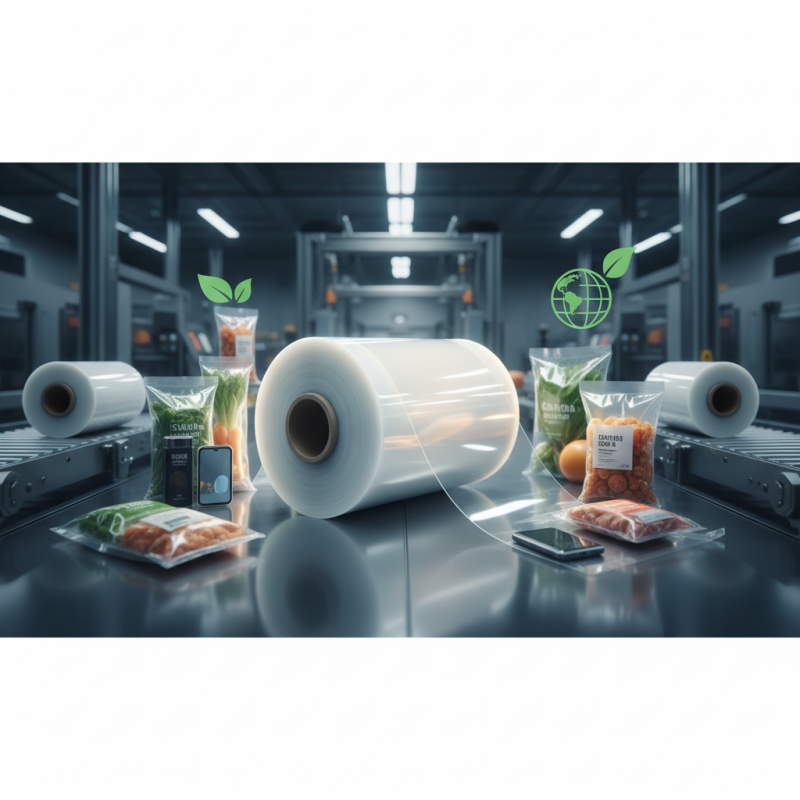
Packaging roll film has become an essential component in various industries due to its numerous advantages. One of the primary benefits is its versatility. This type of packaging can be used for a wide range of products, from food and beverages to pharmaceuticals and electronics. The film can be customized in terms of thickness, material, and design, making it suitable for different packaging requirements. This flexibility allows businesses to adopt a packaging solution that best fits their specific products and market needs.
Another significant advantage of using packaging roll film is its efficiency in production and cost-effectiveness. The roll format allows for high-speed automated packaging processes, reducing labor costs and increasing output. Moreover, roll films typically consume less material than traditional packaging methods, which not only lowers production expenses but also minimizes waste. This aspect is particularly beneficial in industries looking to enhance sustainability efforts. The lightweight nature of the films also reduces shipping costs and carbon footprint, reinforcing their appeal across various sectors focused on environmental responsibility.
Types of Packaging Roll Films and Their Specific Applications
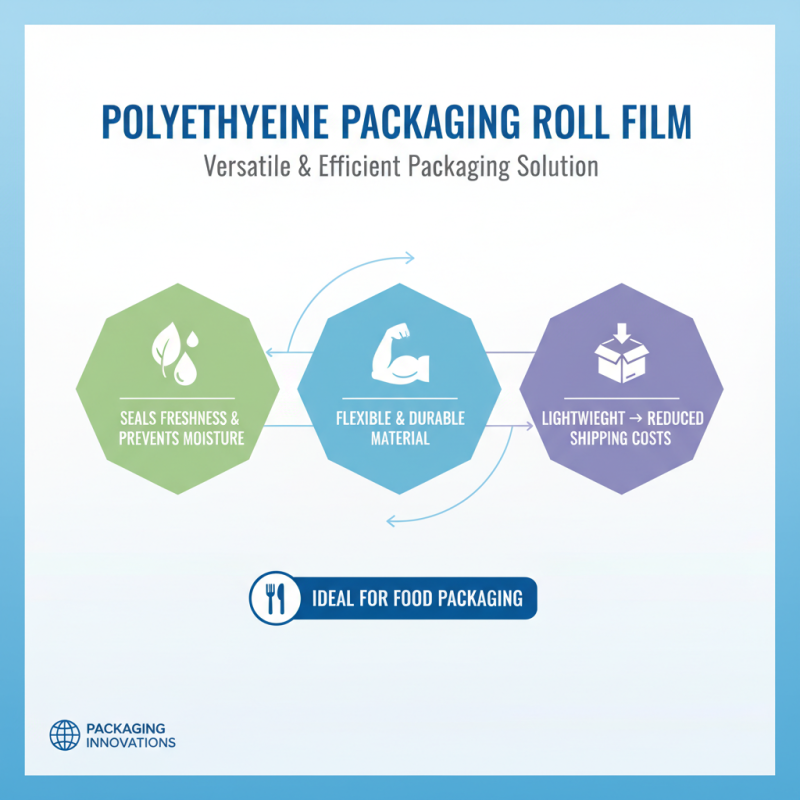
Packaging roll films are essential in various industries due to their versatility and efficiency. One of the key types of packaging roll films is the polyethylene film. This material is known for its flexibility and durability, making it ideal for food packaging applications. Polyethylene films can effectively seal in freshness and prevent moisture, which is crucial for perishable goods. Additionally, its lightweight nature reduces shipping costs, thereby benefiting manufacturers and consumers alike.
Another notable type is the polypropylene film, which is often used for packaging non-food items. It offers excellent clarity and a glossy finish, enhancing product visibility on the shelves. Due to its resistance to oils and chemicals, polypropylene film is suitable for packaging a diverse range of products, including cosmetics and medical supplies. The ability to customize these films in terms of printability and thickness allows businesses to create tailored packaging solutions that meet specific branding and functional requirements.
Key Features to Consider When Selecting Packaging Roll Film
When selecting packaging roll film, several key features should be at the forefront of your decision-making process. First and foremost, consider the material composition. Different films, such as polyethylene or polypropylene, offer varying levels of durability, flexibility, and moisture resistance. The choice of material will significantly influence the shelf life of your products and their protection during transport and storage. Assessing the thickness of the film is also crucial; thicker films generally provide better protection against punctures and tears, while thinner films can be more cost-effective and environmentally friendly.
Another important feature is the film's barrier properties. Depending on the type of product you are packaging, it may be essential to select a roll film with specific barrier enhancements that protect against oxygen, moisture, or UV light. These properties can preserve the freshness and quality of perishable goods, ensuring customer satisfaction. Additionally, consider the customization options available, such as printing or color variations, which can enhance branding and product visibility on the shelves. By evaluating these key features, businesses can make informed decisions that align with their packaging needs and overall goals.
Why Choose Packaging Roll Film for Your Packaging Needs
| Feature |
Description |
Benefits |
| Material Type |
Common materials include polyethylene (PE), polypropylene (PP), and polyvinyl chloride (PVC). |
Durability and moisture resistance for effective protection. |
| Thickness |
Measured in microns, thickness affects strength and barrier properties. |
Optimal thickness ensures adequate protection while maintaining flexibility. |
| Barrier Properties |
Resistance to moisture, oxygen, and light. |
Extends shelf life and preserves product integrity. |
| Print Quality |
Ability to showcase vibrant graphics and branding. |
Attracts consumers and enhances brand visibility. |
| Sustainability |
Use of recyclable or biodegradable materials. |
Meets consumer demand for eco-friendly packaging options. |
Environmental Impact of Packaging Roll Film: Sustainability Insights
The environmental impact of packaging materials is a critical consideration in today's sustainability-conscious market.
Packaging roll film stands out as a viable option due to its potential for reduced waste and increased recyclability.
Unlike traditional rigid packaging, roll films can be designed to minimize excess material, leading to a smaller carbon footprint during production and transportation.
By utilizing lightweight materials, businesses can decrease fuel consumption and emissions during shipment, contributing to a more sustainable supply chain.
Moreover, many packaging roll films are now produced using recyclable and biodegradable materials.
This shift reflects a growing awareness of the importance of sustainable practices in the packaging industry.
When consumers choose products packaged in roll films, they not only benefit from the flexibility and protection these films offer but also support manufacturers who prioritize eco-friendly practices.
As recycling technologies improve, the lifecycle of packaging roll films can be extended, ensuring that they have less impact on landfills and the environment, ultimately aligning with broader goals of waste reduction and resource conservation.
Comparative Analysis: Packaging Roll Film vs. Other Packaging Options
When comparing packaging roll film to other packaging options, one significant advantage is its versatility. Packaging roll film can be tailored to various products, allowing for custom sizes and shapes that can accommodate diverse packaging needs. Unlike rigid packaging alternatives, such as boxes or containers, roll film offers the flexibility of adjusting to product dimensions while maintaining a lightweight profile. This adaptability not only benefits manufacturers but also enhances the user experience, as it can be designed to fit snugly around products, reducing excess material usage and minimizing waste.
Another key consideration is the efficiency in production and filling processes. Packaging roll film typically allows for faster filling speeds on automated machines, which can lead to higher output in shorter timelines. Compared to using pre-made pouches or boxes, which require separate assembly and are often limited in design, roll film simplifies the packaging process. Additionally, roll film often comes with options for advanced barrier properties, ensuring extended shelf life for products while reducing the need for multiple packaging solutions. This efficiency can result in significant cost savings over time and a streamlined supply chain for businesses looking to enhance their packaging strategies.