How to Choose the Best Stand Up Pouch Packaging in 2026
Stand Up Pouch Packaging is becoming increasingly popular in the food and beverage industry. According to a 2023 market report by Smithers Pira, the global flexible packaging market is expected to reach USD 300 billion by 2026. A significant part of this growth is attributed to stand up pouches. These packages are lightweight, durable, and often resealable, making them convenient for consumers.
However, choosing the right stand up pouch can be challenging. Many factors influence the selection process, including material, size, and design. It's important to consider the product’s specific needs. For instance, some products may require moisture-proof packaging. Additionally, sustainability is a growing concern. There is an increasing demand for eco-friendly materials that do not compromise quality.
While many brands strive for perfection, it is essential to acknowledge potential pitfalls in the selection of stand up pouch packaging. A choice that works well for one product may not suit another. Companies must conduct thorough tests and embrace feedback to improve their choices. Understanding consumer preferences through data is crucial. Embracing the complexities in selecting stand up pouch packaging can lead to better outcomes for brands and consumers alike.
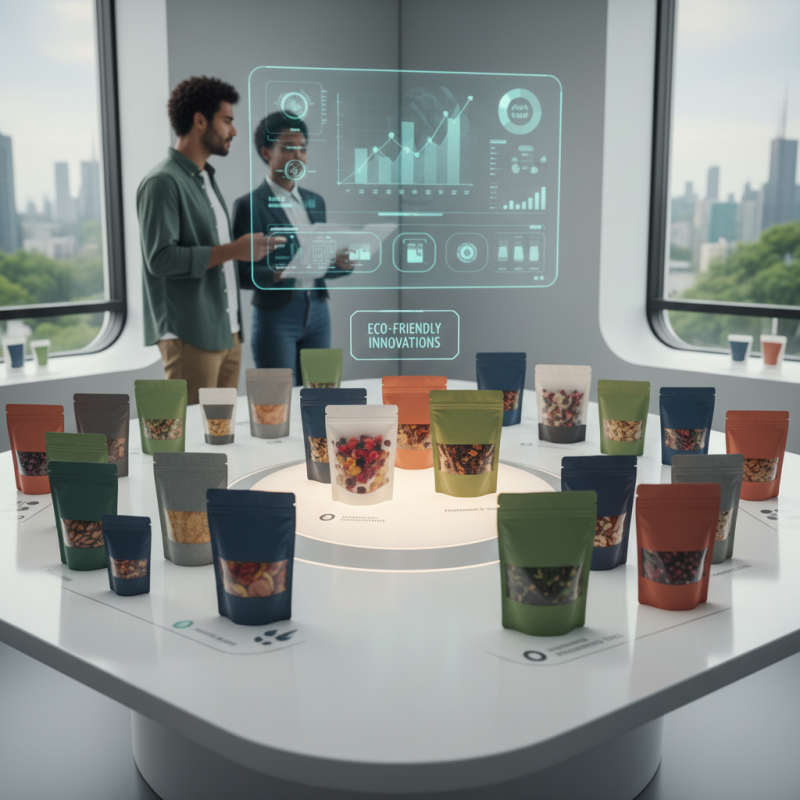
Understanding Stand Up Pouch Packaging: Key Features and Benefits
Stand up pouches are becoming increasingly popular for various packaging needs. According to recent market research, the global flexible packaging market is projected to reach $300 billion by 2026, with stand up pouches leading this growth. These pouches offer multiple advantages, including convenience, shelf life, and visual appeal.
One key feature of stand up pouches is their ability to stand upright. This design maximizes shelf space utilization and enhances visibility. In fact, a study revealed that products packaged in stand up pouches captured 30% more attention on shelves compared to traditional packaging. Additionally, the use of high-barrier materials in these pouches helps extend product shelf life. For instance, oxygen and moisture barriers can increase the freshness of food items significantly.
However, not all stand up pouches are created equal. The choice of material, seal type, and size can greatly impact performance. Sustainable options are on the rise, with about 50% of consumers willing to pay more for eco-friendly packaging. This shift may require brands to reevaluate their packaging strategies. Brands should also consider the trade-offs between cost and quality. The perfect balance can be difficult to achieve. Investing in research may seem tedious, but it is crucial for effective packaging solutions.
Evaluating Material Options for Stand Up Pouch Packaging
When selecting materials for stand up pouch packaging in 2026, consider various options. Different materials can dramatically affect product safety, shelf life, and user experience. Popular choices include polyethylene, polyester, and biodegradable films. Each has unique characteristics, so understanding their advantages is essential.
Tips: Evaluate the durability of the material. How well does it handle stress? Some materials may puncture easily, compromising product protection. Also, think about the barrier properties. Does the material retain freshness? Products like snacks and supplements require tight seals.
Remember, aesthetic appeal matters too. Transparent windows allow customers to see the product inside. However, this can weaken the overall structure. Be mindful of trade-offs. Color and design can attract buyers, but ensure the chosen material aligns with branding goals. It's a balance that requires careful thought.
Designing Effective Branding and Labeling for Stand Up Pouches
Choosing the right branding and labeling for stand up pouches can be challenging. Effective design should not just attract attention; it must also communicate your product's essence. Bright colors might draw the eye, but it's essential they relate to your brand. Too many elements can confuse the audience. Simplicity often works better.
Imagery plays a crucial role. Use pictures that resonate with your target consumers. A clean, clear logo helps create recognition. But, be cautious. Overly polished images might seem artificial. Authenticity wins consumer trust. Reflecting real aspects of your product can encourage deeper connection.
Labeling needs to inform. It’s important to include key details, yet avoid clutter. Text should be readable from a distance. Use fonts that are clear and eye-catching. Don’t shy away from white space. It gives the design room to breathe. Yet, ask yourself: does every word on the label add value? Balancing information and aesthetics is vital. Reflect regularly on your choices for optimal engagement.
Sustainability Considerations in Choosing Stand Up Pouch Packaging
Sustainability is a pressing concern in packaging design. In 2021, approximately 74% of consumers preferred sustainable packaging options. As we approach 2026, this trend will likely grow. Choosing eco-friendly materials for stand up pouches can significantly reduce environmental impact.
When selecting stand up pouch packaging, consider materials. Recyclable and biodegradable options are appealing. A report from the Flexible Packaging Association noted that flexible packaging could save up to 50% more energy compared to traditional packaging. This shift benefits both businesses and the planet.
However, not all packaging labeled as sustainable is genuinely eco-friendly. It’s essential to examine the entire lifecycle of the materials used. Production processes can still harm the environment. Transparency is crucial for brands wanting to make an impact. Engaging consumers with clear information about sustainability practices builds trust and drives purchasing decisions.
How to Choose the Best Stand Up Pouch Packaging in 2026 - Sustainability Considerations
| Dimension |
Consideration |
Sustainability Factor |
| Material Type |
Biodegradable vs. Non-biodegradable |
High |
| Recyclability |
Easy to recycle materials |
Medium |
| Weight |
Lightweight options |
High |
| Production Process |
Energy-efficient manufacturing |
High |
| Supply Chain |
Locally sourced materials |
Medium |
| Shelf Life |
Extended shelf life without preservatives |
Low |
| End User Feedback |
Consumer preference for eco-friendly options |
High |