How to Choose the Best Pouch Bag Plastic for Your Needs?
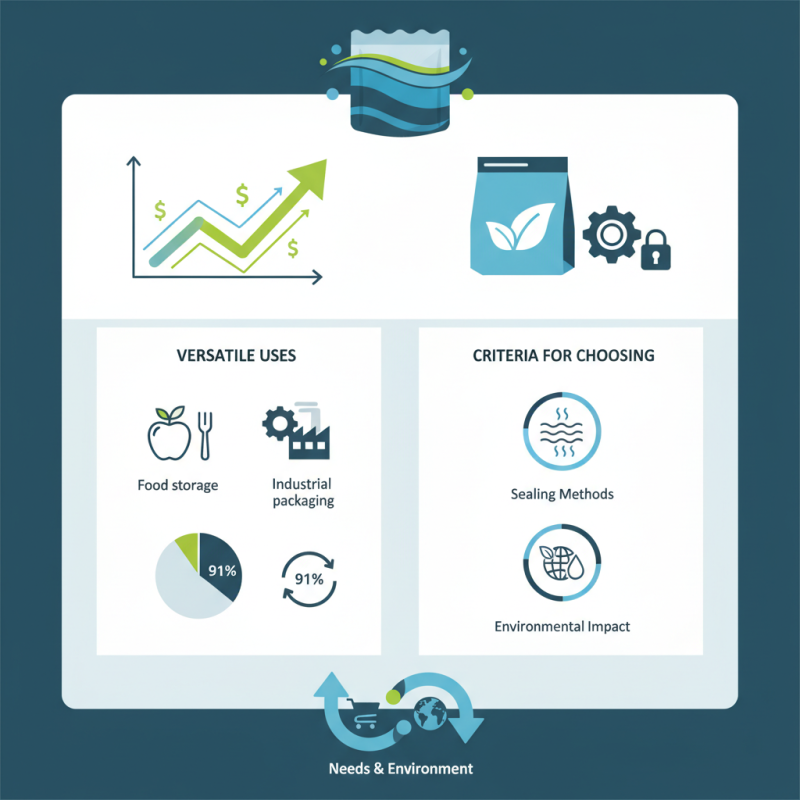
When selecting the best Pouch Bag Plastic for your purposes, it's crucial to consider various factors. The global flexible plastic packaging market is projected to grow significantly, reaching over $300 billion by 2025. Innovations in pouch technology highlight the increasing preference for lightweight solutions that maintain durability. Consumers now seek eco-friendly options alongside functionality.
Pouch Bag Plastic offers versatile uses. From food storage to industrial packaging, it meets diverse needs. It's essential, however, to address the environmental concerns associated with plastic usage. Only 9% of plastic waste is recycled, according to recent studies. This statistic urges manufacturers to develop sustainable materials.
Choosing the right pouch bag involves evaluating various criteria. Factors like thickness, sealing methods, and environmental impact should guide your decision. If not carefully assessed, you might choose a product that doesn't align with your goals. Always reflect on how your choice affects both your needs and the environment.
Understanding Different Types of Pouch Bag Plastics Available
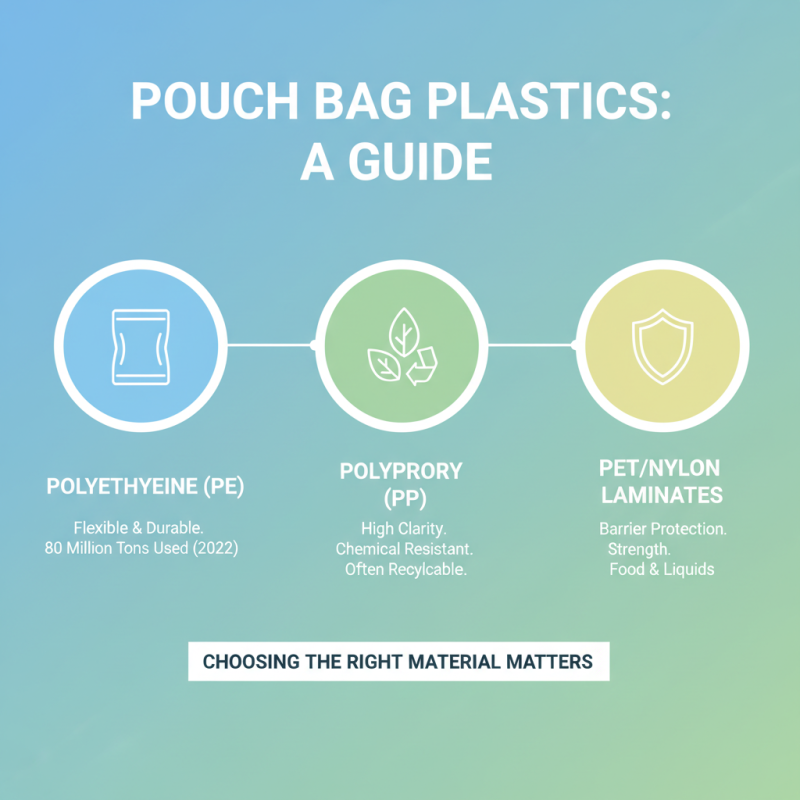
Choosing the right pouch bag plastic involves understanding the different types available. Pouch bags generally come in various materials, each with unique properties. One common type is polyethylene (PE), known for its flexibility and durability. In fact, the global demand for PE in packaging reached 80 million tons in 2022, reflecting its popularity. This material is lightweight, making it suitable for packaging various products.
Another option is polypropylene (PP), which offers high resistance to chemicals and temperature. According to recent studies, PP has gained traction in food packaging due to its safety and barrier properties. However, it may not be the best for all applications. The environmental impact of these plastics cannot be ignored. Many users are now concerned with recyclable options. Yet, the recycling rates for plastics remain low, and consumers often face confusion about how to recycle effectively.
Next, there are specialized pouch bags made from biodegradable plastics. These materials can break down under specific conditions, potentially reducing landfill waste. Despite their advantages, they still face challenges in terms of cost and availability. Understanding these trade-offs can guide you toward making a more informed choice. Balancing functionality and environmental considerations is crucial, and it often requires deeper reflection on personal and industry practices.
Evaluating the Durability and Strength of Pouch Bag Plastics
When selecting pouch bag plastics, durability and strength are key factors. Consider the material's resistance to tearing and puncturing. Strong plastics ensure the contents remain secure during transport or storage. Flimsy options may seem appealing due to lower cost, but they can disappoint when needed the most.
Tips: Look for thickness. A thicker bag will generally provide better protection. Test the flexibility of the plastic. It should bend without breaking. This flexibility often indicates durability. Don’t overlook seams—double-stitched seams can enhance strength significantly.
Also, weight capacity matters. Some bags may look sturdy, yet cannot hold heavy items. A bag that fails to meet your weight needs can lead to spills or damages. Always assess what you'll store. If your items are sharp or heavy, opt for thicker, reinforced options. Remember that aesthetics shouldn't compromise functionality.
How to Choose the Best Pouch Bag Plastic for Your Needs?
| Material Type |
Thickness (microns) |
Tensile Strength (MPa) |
Tear Resistance (N) |
Typical Use Case |
| LDPE (Low-Density Polyethylene) |
50-100 |
10-20 |
40-60 |
Food Packaging |
| HDPE (High-Density Polyethylene) |
70-150 |
20-35 |
50-80 |
Chemical Containers |
| PP (Polypropylene) |
40-120 |
30-40 |
60-100 |
Medical Supplies |
| PET (Polyethylene Terephthalate) |
100-300 |
40-60 |
70-100 |
Beverage Bottles |
Assessing the Environmental Impact of Pouch Bag Plastics
When evaluating the environmental impact of pouch bag plastics, several factors need consideration. Pouch bags are often seen as convenient, yet their production has significant consequences. According to the Ellen MacArthur Foundation, single-use plastics contribute greatly to ocean pollution, with an estimated eight million tons entering the oceans annually. This is alarming and raises questions about our choices.
Choosing the right material can help mitigate some of these impacts. Biodegradable options exist, yet they may not break down promptly under certain conditions. The American Chemistry Council reports that only 9% of plastics are recycled effectively. This percentage highlights the inefficiency in our current recycling systems. Many pouch bags end up in landfills or as litter, contaminating nature.
Tip: Always check for recycling symbols. Look for bags made from recyclable materials when shopping. Consider reusing bags whenever possible. Each small action can lead to a more sustainable future. Reflect on how many single-use items you utilize daily. The choices we make contribute to broader environmental outcomes. Balancing convenience with ecological responsibility remains a challenge.
Choosing the Right Size and Shape for Your Pouch Bag Needs
When choosing a pouch bag, size and shape matter greatly. The right dimensions can enhance both functionality and appeal. Start by considering what you plan to store. Will you need a compact bag for small items, or a larger one for bulkier products? Pouch bags come in various sizes to fit different needs.
Shape also plays a crucial role. Rectangular bags are often more spacious, allowing for better organization. Round pouches might be more stylish but could limit storage. Think about how you’ll use it. A pouch with a convenient opening can save time when you’re in a hurry. If you have a specific aesthetic in mind, certain shapes might not suit your style.
Be mindful of the balance between practicality and your personal touch. Sometimes, a specific size or shape may not be readily available. It’s essential to weigh the options against your daily requirements. While it’s easy to be tempted by trendy designs, don’t forget functionality. Consider how each bag fits into your life. Every choice you make should prioritize usability while still reflecting your unique style.
Plastic Pouch Bag Size Preferences
Determining the Cost-Effectiveness of Various Pouch Bag Plastics
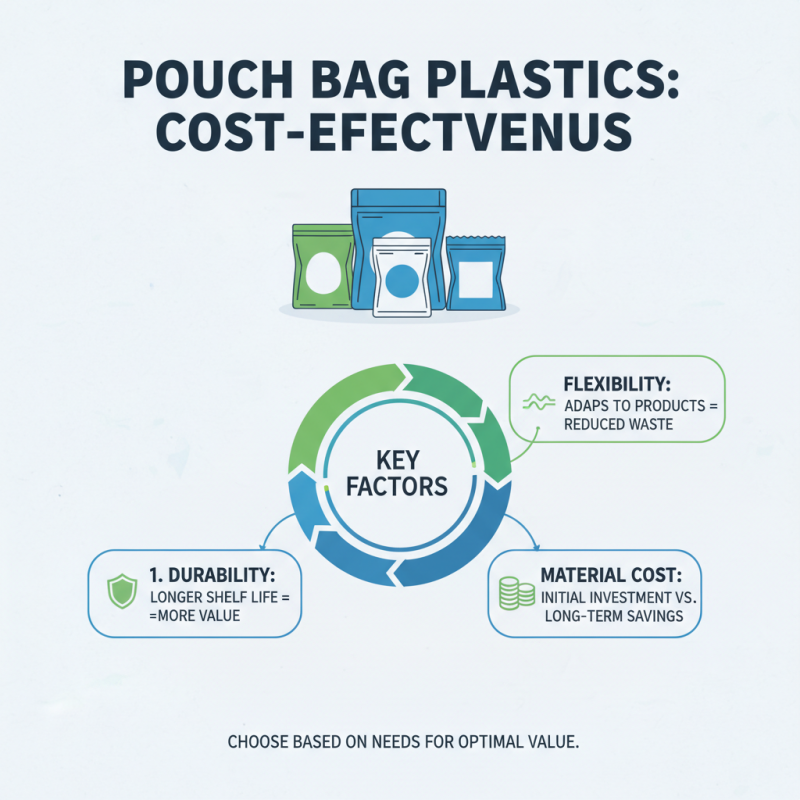
When exploring pouch bag plastics, it’s essential to assess cost-effectiveness. Many options exist, each with distinct features. Some materials are more durable, while others offer better flexibility. Understanding what you need helps narrow the choices down to the most suitable options.
Tips for evaluating cost-effectiveness include comparing the prices of various materials. Look at thickness, durability, and barrier properties. Sometimes a higher initial cost brings long-term savings. For instance, thicker plastics might protect contents better, reducing spoilage and waste. However, don’t overlook the lower-cost options. They may surprise you with their functionality.
Consider the intended use of the pouch bag. Are you packaging food or storing items? The required quality may vary. If you frequently change your needs, flexible options might be wise investments. Reflecting on your priorities can help. Remember to weigh upfront costs against potential savings. Thoughtful choices can lead to better overall value.