How to Choose the Best Plastic Bag Pouch for Your Needs?
Choosing the right Plastic Bag Pouch can be a daunting task. With so many options on the market, how do you select the best one? Expert analyst Emily Reynolds states, “A well-chosen pouch not only protects your items but also enhances your overall experience.” This insight is essential as you navigate through various materials, sizes, and functionalities.
Plastic Bag Pouch choices greatly influence the efficiency and organization of your daily tasks. They range from resealable pouches for snacks to larger bags for storage. Each type serves a distinct purpose. Ensuring that your selection matches your specific needs is crucial. The best pouch will seamlessly fit into your lifestyle or workflow.
It’s easy to overlook some details when choosing a pouch. Some may prefer aesthetic options while others prioritize durability. Reflecting on these aspects can lead to greater satisfaction. Ultimately, understanding your individual needs will guide you to the ideal Plastic Bag Pouch.
Understanding the Different Types of Plastic Bag Pouches Available
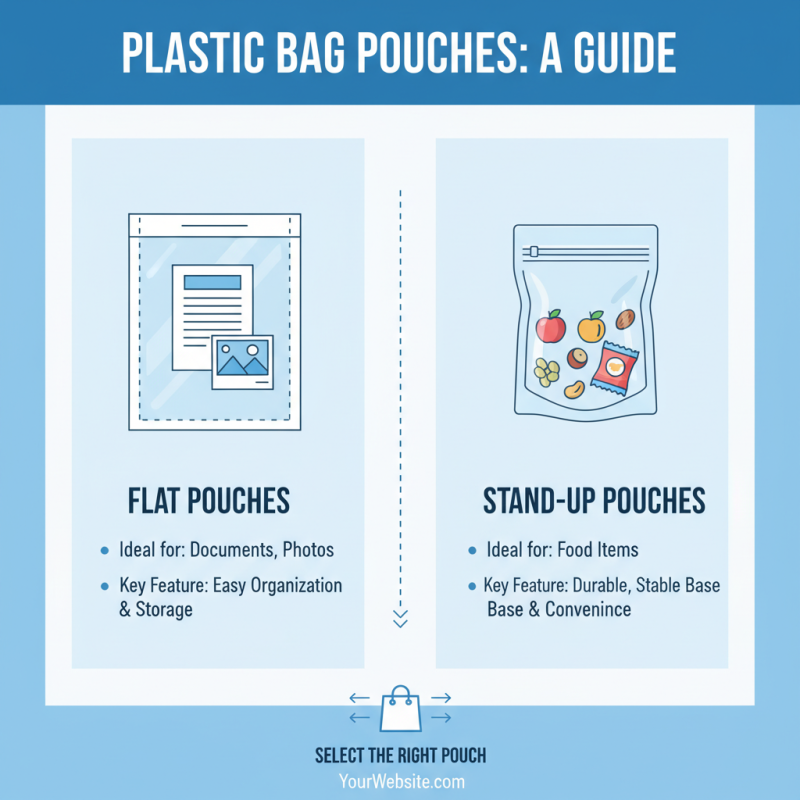
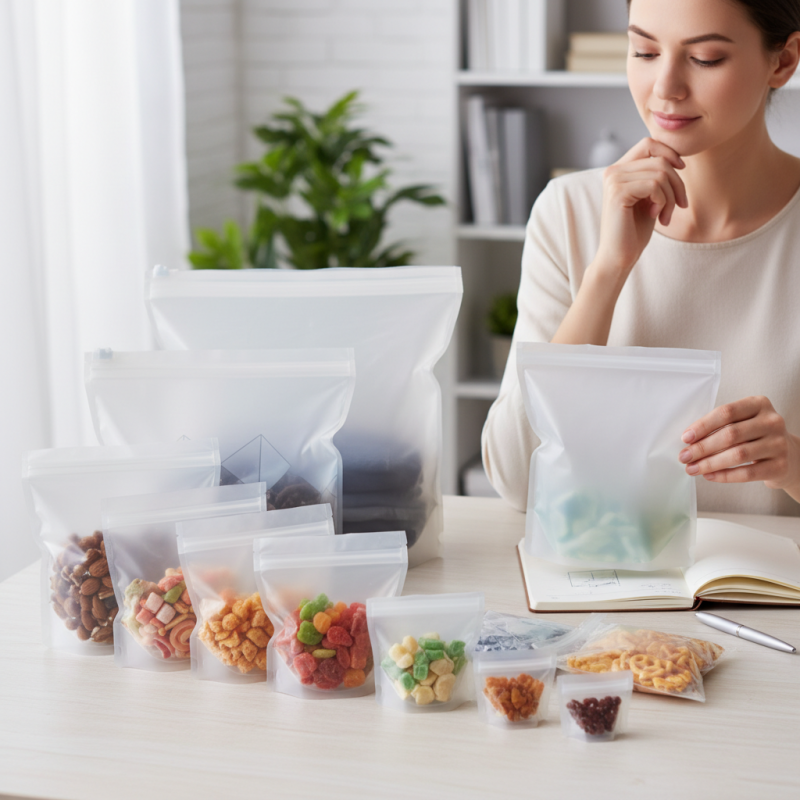
When selecting a plastic bag pouch, it’s crucial to understand the available types. There are various designs tailored for specific needs. Flat pouches are ideal for documents and photos. Their simplicity allows easy organization and storage. Stand-up pouches, on the other hand, are perfect for food items. They offer durability and convenience with their stable base.
Zipper pouches provide added security for valuable contents. They prevent spills and offer easy access. Some people overlook the importance of size. Choosing the wrong size can lead to wasted space or damage. Additionally, consider the thickness of the material. Thicker options are often more durable but may not be necessary for lighter items.
Reflecting on the types you need can lead to better choices. Each type serves a unique purpose. Are you prioritizing protection, convenience, or appearance? It might take some experimentation to find the best fit for your needs. Balancing functionality and cost is also essential.
Assessing Your Specific Storage Needs and Requirements
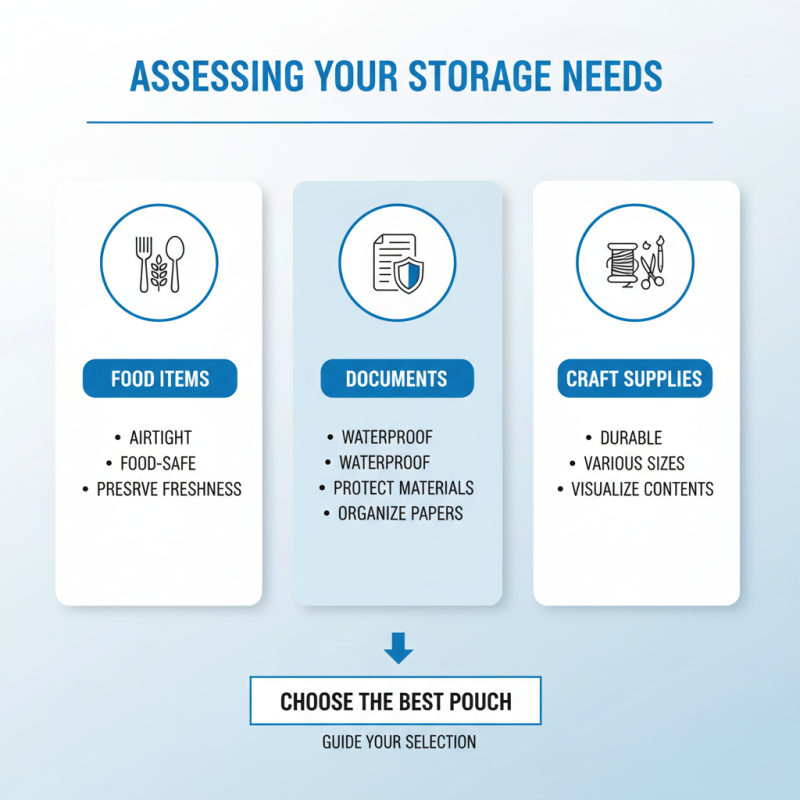
When it comes to choosing the best plastic bag pouch, understanding your specific storage needs is vital. Are you organizing documents, food items, or crafting supplies? Each category has unique requirements. For food storage, opt for pouches that are airtight and food-safe. They help preserve freshness while reducing waste. For documents, consider waterproof pouches to protect sensitive materials. Visualizing your storage type will guide your selection process.
Think about the size and design. Too small, and you may struggle to fit your items. Too large, and they may take up unnecessary space. Pouches with resealable closures are useful for easy access. Don't overlook durability. A flimsy pouch can tear, causing unwanted messes. Reflect on how often you'll use these bags. A frequently used pouch should be sturdy to withstand wear and tear.
Additionally, consider your environment. Are you storing items in a humid area? A moisture-resistant pouch may be your best choice. While many options exist, balancing quality and cost is essential. It's okay to find imperfections in various products. This acknowledgment can lead to better decision-making. Pay attention to the materials used and check for reliability.
Material Considerations for Durability and Safety
When selecting a plastic bag pouch, material plays a vital role in your decision. The durability of the pouch depends on its composition. Common materials include polyethylene, polypropylene, and biodegradable options. Polyethylene is lightweight and resistant to moisture, while polypropylene offers higher strength and heat resistance. Each has its own benefits and drawbacks, so consider what will serve your needs best.
Safety is another critical factor in material choice. Not all plastic bags are created equal. Some materials can leach harmful chemicals when exposed to heat or certain substances. Researching certifications can help you identify safer options. Look for food-grade materials if storing consumables. Remember, not all manufacturers disclose this information clearly. This makes it essential for you to investigate and ensure that the pouch is indeed safe for your intended use.
Reflecting on your choices can also reveal unexpected outcomes. A pouch that feels sturdy may not be as durable under heavy use. Test different options to find the best match. Keep in mind that even high-quality materials can fail if not used correctly. Balancing durability and safety will ultimately lead to better choices for your plastic bag pouch needs.
Evaluating Size and Dimensions for Optimal Use
Choosing the right size and dimensions for plastic bag pouches is crucial for various applications. According to industry reports, nearly 70% of users prefer pouches that fit specific dimensions for better organization and functionality. It’s essential to measure the items you intend to store, ensuring a snug yet comfortable fit. Oversized pouches may lead to wasted space, while undersized ones can cause tears and spills.
When evaluating pouch dimensions, consider the volume and weight of your contents. For instance, a lightweight, compact item may require a smaller pouch, whereas bulkier products will need more substantial containers. Studies suggest that pouches with a width-to-length ratio of 1:2 are often optimal for stability. This ratio helps maintain balance and makes it easier to stack, which is vital for retail and storage environments.
Customization offers another layer of consideration. Many manufacturers allow for tailored sizes, though it can come at a higher cost. Reflect on whether this investment aligns with your operational needs. While convenience is a priority, it's essential to evaluate whether the scale of customization justifies the potential increase in expenses.
Size Comparison of Plastic Bag Pouches for Different Uses
Comparing Cost-Effectiveness and Sustainability Factors
When selecting a plastic bag pouch, cost-effectiveness often plays a significant role. Consumers tend to prioritize price over other factors. However, a low upfront cost can lead to hidden expenses. Frequent replacements due to poor durability can quickly add up. Investing in higher-quality options may save money in the long run. It's crucial to analyze the purchase's overall value, not just the sticker price.
Sustainability is another critical factor to consider. Many plastic pouches are non-biodegradable and contribute to environmental pollution. Choosing a pouch made from recyclable materials helps mitigate this impact. Look for options that emphasize sustainability in their design. They often have a smaller environmental footprint than traditional plastic. Balancing cost and eco-friendliness can be challenging. Not all consumers prioritize environmental factors, leading to difficult choices.
We need to reflect on our purchasing habits. Understanding the implications of our choices is essential. Sometimes, a cheaper option can lead to greater waste. It’s worth considering: are we truly saving money, or are we just postponing a larger problem? Awareness of sustainability can foster better choices. Ideally, the best pouch combines affordability and responsibility.
How to Choose the Best Plastic Bag Pouch for Your Needs? - Comparing Cost-Effectiveness and Sustainability Factors
| Pouch Type |
Cost (per unit) |
Material Type |
Recyclability |
Durability Rating |
Sustainability Score (1-10) |
| Stand Up Pouch |
$0.30 |
PE/NY |
Yes |
9/10 |
7 |
| Flat Pouch |
$0.25 |
LDPE |
Yes |
8/10 |
6 |
| Zipper Pouch |
$0.40 |
PET |
Yes |
9/10 |
8 |
| Bubble Pouch |
$0.50 |
PP |
No |
7/10 |
5 |
| Stand Up Pouch with Spout |
$0.60 |
PET/PE |
Yes |
9/10 |
9 |