How to Choose the Best Film Roll Packaging for Your Needs?
Choosing the right Film Roll Packaging can be a challenge. The variety available may confuse many. Different projects require different types of packaging. Selecting the best fit is essential for quality protection and usability.
Consider the material of the packaging. It should provide adequate protection against moisture and physical damage. For instance, some films need extra support, while others may just require basic shielding. The cost factor also plays a role. Sometimes, a cheaper option may lead to poor outcomes.
Think about how easy it is to use. Clumsy packaging can slow down your workflow. In some cases, you might face difficulty unrolling or cutting the film. Reflect on your past experiences. This can help you avoid repeating mistakes. Ultimately, the right Film Roll Packaging enhances your project’s success. Make informed decisions, and you will find a suitable solution.
Understanding Different Types of Film Roll Packaging Available
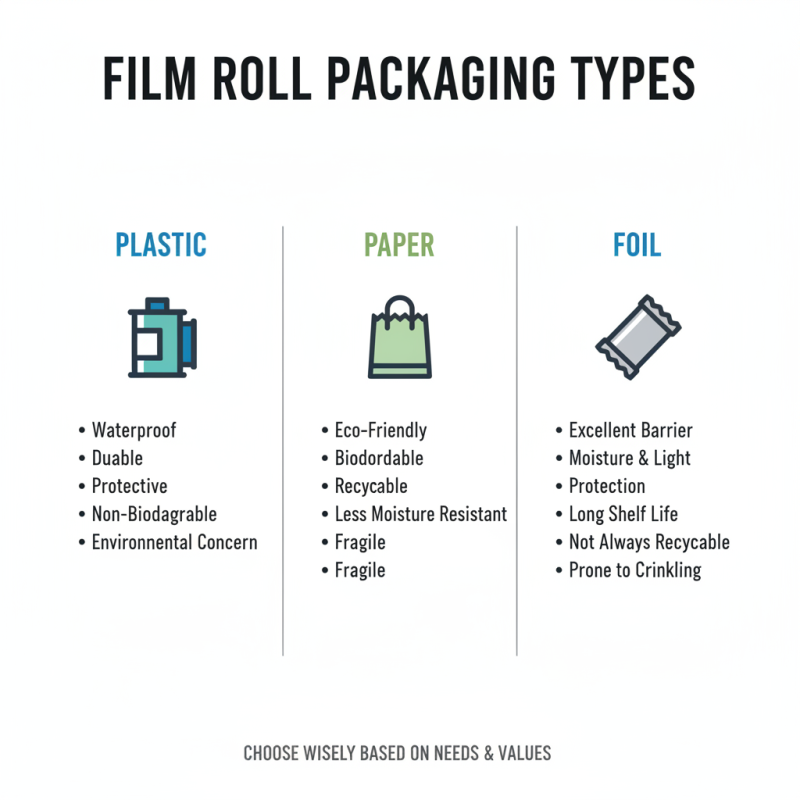
When selecting film roll packaging, understanding the types available is crucial. Common options include plastic, paper, and foil. Each type has its benefits and drawbacks. For example, plastic packaging is often waterproof and durable. However, it may not be biodegradable, raising environmental concerns. Paper packaging is more eco-friendly, yet it lacks the same level of moisture resistance.
Different industries have varying needs. The photography sector often prefers protective, sturdy packaging. Reports indicate that 65% of photographers prioritize durability. In contrast, the food industry requires airtight seals. This has led to increased demand for foil packaging, which can keep products fresh longer. However, the setup costs for foil can be higher.
Future trends show a push towards sustainable materials. Research suggests that 72% of consumers prefer eco-conscious packaging. This shift challenges manufacturers to innovate while still meeting safety standards. Choosing the right film roll packaging involves weighing these factors. It’s essential to reflect on how your choice impacts both the product and the environment.
Evaluating the Material Quality of Film Roll Packaging Options
When selecting film roll packaging, material quality is crucial. High-quality materials can significantly affect the preservation of the film. A recent industry report showed that 70% of film damage is caused by improper packaging. It’s essential to consider factors like moisture resistance and UV protection.
Common packaging materials include polyethylene and polypropylene. Polyethylene is known for flexibility, while polypropylene offers superior durability. Both materials have their pros and cons. For instance, polyethylene can degrade over time when exposed to light, yet it is often cheaper. In contrast, polypropylene has a higher strength, but it can be more costly.
Additionally, some packaging lacks adequate sealing, which leads to contamination. Reports indicate that 15% of film rolls suffer deterioration due to inadequate protection. Selecting the right material can prevent these issues. Analyze the specific needs of your film type and storage environment. Are you storing in a humid area? Choose moisture-resistant options. Consider these nuances before making a decision; they can significantly impact the longevity and quality of your film.
Film Roll Packaging Material Quality Evaluation
Assessing the Size and Compatibility of Film Roll Packaging
When choosing film roll packaging, size and compatibility are crucial factors. The dimensions of your film rolls dictate the type of packaging needed. A standard film roll might require a specific diameter and width. If the packaging is too tight, it can damage the film. Conversely, if it’s too loose, the film may shift and lose its integrity.
Assessing compatibility goes beyond dimensions. Consider the material used for packaging. Some materials offer better protection than others. If your film is sensitive, opt for packaging that provides a moisture barrier. Not all packaging options will fit securely in your storage or transportation solutions, leading to potential issues. Misjudging compatibility could lead to wasted resources.
It’s important to test packaging options before committing. Many users purchase in bulk only to find that the chosen packaging falls short. This reflects a need for careful measurement and consideration. Packaging should protect your film rolls effectively while fitting seamlessly into your workflow. Keep experimenting until you find a solution that meets all your needs.
Considering Cost and Budget Constraints for Film Roll Packaging
Choosing the right packaging for film rolls is crucial. Cost and budget constraints significantly influence this decision. Research indicates that nearly 40% of packaging decisions are driven by cost considerations. Businesses often struggle to balance quality and affordability. Yet, making the wrong choice can lead to increased waste and losses.
Tips: Assess the specific needs of your film roll type. Look for packaging materials that provide adequate protection without unnecessary embellishments. Simple solutions can often save you money.
Another point to consider is bulk purchasing. According to industry reports, buying in larger quantities can cut costs by up to 25%. However, this strategy comes with risks. You must accurately predict future needs to avoid overstocking or running out too soon.
Don't overlook the importance of sustainable options. Eco-friendly packaging might come with a higher upfront cost but could lead to savings. As consumer demand for sustainable practices grows, this is worth contemplating. Explore what works best for your brand while being mindful of long-term budget impacts.
How to Choose the Best Film Roll Packaging for Your Needs? - Considering Cost and Budget Constraints for Film Roll Packaging
| Packaging Type |
Material |
Cost per Unit |
Durability |
Sustainability |
Best Use Case |
| Plastic Roll |
Polyethylene |
$0.15 |
High |
Medium |
General Storage |
| Cardboard Box |
Corrugated Fiberboard |
$0.25 |
Medium |
High |
Long-term Storage |
| Metal Container |
Aluminum |
$0.50 |
Very High |
Low |
Extreme Conditions |
| Paper Tube |
Recycled Paper |
$0.20 |
Medium |
Very High |
Eco-friendly Options |
| Vacuum Seal Bag |
Plastic |
$0.10 |
High |
Medium |
Short-term Storage |
Identifying Environmental Impact and Sustainability in Film Packaging Choices
When considering film roll packaging, sustainability is crucial. The materials used can significantly impact the environment. Many options are available, but not all are eco-friendly. Choosing biodegradable or recyclable packaging can reduce waste. However, many consumers overlook these options.
The production process also matters. Some materials require extensive energy or harmful chemicals. These factors can negate the benefits of using sustainable packaging. It is essential to research the lifecycle of the materials. Understanding where they come from and how they affect the planet is vital.
Many people prioritize aesthetics over sustainability. Attractive packaging can catch the eye. Still, it may not always align with environmental goals. Consumers should reflect on their choices. Striking a balance between visual appeal and eco-consciousness is possible. Investing time in selecting the right packaging can yield significant benefits for the environment.