What is the Best Synthetic Mica Powder for Your Needs?
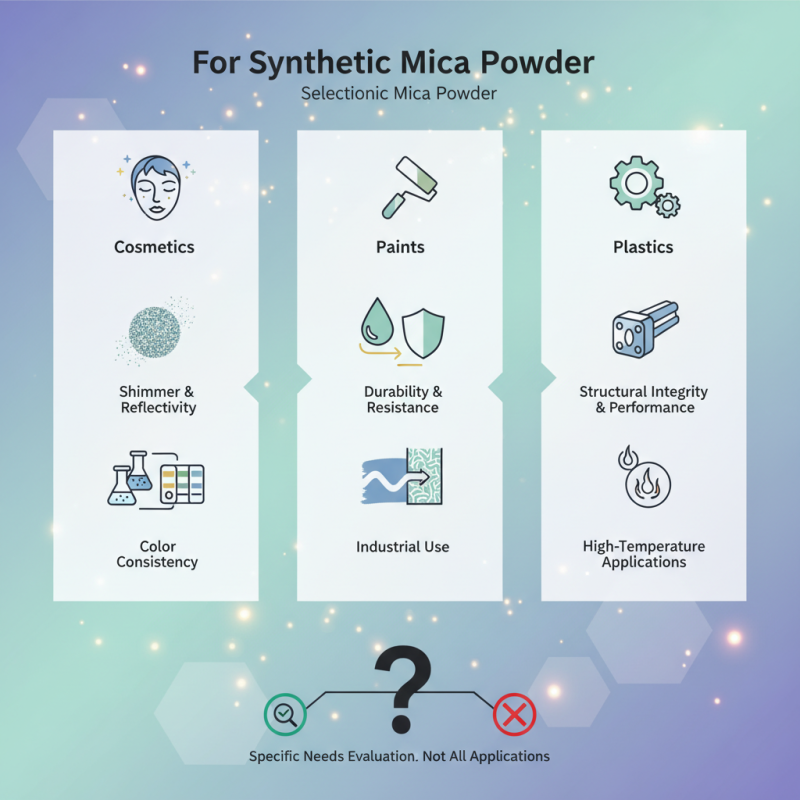
Choosing the right synthetic mica powder is crucial for various applications. Many industries, such as cosmetics, paints, and plastics, rely on this versatile mineral. Synthetic mica powder offers unique advantages, such as consistency in quality and color.
There are different grades available on the market. Some provide excellent shimmer and reflectivity, making them ideal for makeup products. Others are more suitable for industrial uses, emphasizing durability and resistance. However, selecting the best option can feel overwhelming.
It’s essential to consider your specific needs before making a decision. For example, some synthetic mica powders might not meet the goals of your project. Evaluating your requirements and the product specifications can lead to better outcomes. As you explore options, keep in mind that not every solution fits all applications.
Understanding Synthetic Mica Powder: An Overview of Its Uses
Synthetic mica powder is gaining popularity due to its versatility. It is extensively used in cosmetics, coatings, and plastics. This mineral mimics the natural appearance of mica while providing unique benefits. According to a recent market report, the synthetic mica market is projected to grow at a CAGR of 6% from 2022 to 2030.
In cosmetics, synthetic mica is prized for its shimmering quality. It enhances the texture of products such as eye shadows, blushes, and highlighters. These applications benefit from synthetic mica’s ability to reflect light. However, not all powders are created equal. Factors like particle size and purity affect performance significantly. Larger particles often create a more dramatic shimmer, while smaller ones provide a subtle glow.
The coatings industry also sees significant use of synthetic mica powder. It enhances durability and adds a decorative effect. Reports show that the incorporation of synthetic mica can improve weather resistance in coatings. While its benefits are clear, challenges remain. Some manufacturers struggle with consistent sourcing and processing techniques. Addressing these inconsistencies is crucial for meeting industry standards and consumer expectations.
What is the Best Synthetic Mica Powder for Your Needs?
Types of Synthetic Mica Powder: Comparing Characteristics and Benefits
When selecting synthetic mica powder, understanding the types can guide your decision. Synthetic mica comes in various grades, each with unique characteristics. For instance, the iridescent mica adds vibrancy to cosmetics, balancing subtle beauty with high reflectivity. This type can enhance the glow in formulations. However, selecting the right one requires careful consideration.
Another option is matte synthetic mica, ideal for matte finishes in makeup. It offers a smooth texture, reducing shine while maintaining a luxurious feel. However, some find that it may not hold pigment as well. The balance of qualities in these powders shapes the end result, impacting application and performance. It’s essential to evaluate your specific needs and how each type aligns with them.
Ultimately, the choice depends on the desired effect and texture. Some users prioritize durability, while others seek brilliance or softness. Reflecting on these traits allows for a more informed decision. Not every option will meet all criteria, and that’s part of the exploration process. The pursuit of the perfect synthetic mica powder might reveal unexpected challenges and rewards.
Factors to Consider When Selecting Synthetic Mica Powder
When selecting synthetic mica powder, several factors play a crucial role. The particle size is one of the most significant aspects. Finer particles can create a smooth texture, while coarser ones offer a more textured finish. Depending on your project, this choice can dramatically affect the final look.
Another important consideration is the color and opacity. Synthetic mica comes in a variety of shades and levels of transparency. If you seek a shimmering effect, opt for iridescent shades. Note, though, that not all powders mix well with every medium. Sometimes, testing is necessary to find the perfect match.
Consider the environmental impact of your choice. While synthetic mica is generally more sustainable than natural mica, the sourcing process still matters. Reflect on the eco-friendliness of your suppliers. Keeping an eye on sustainability can help make your selection process more responsible.
Top Applications of Synthetic Mica Powder in Various Industries
Synthetic mica powder is increasingly popular across various industries due to its versatile applications. In cosmetics, it's used for its pearlescent properties. This enhances the appearance of makeup products, offering shimmer without harmful effects. The global market size for synthetic mica in cosmetics was valued at approximately $120 million in 2022 and is expected to grow steadily.
In the paint and coatings industry, synthetic mica serves as a filler and extender. Its ability to improve durability and resist weathering makes it essential. Reports indicate that the demand for synthetic mica in this sector is projected to increase by 5% annually. This growth reflects the industry’s focus on sustainable materials, an aspect that may require further consideration in sourcing practices.
Tips: When choosing synthetic mica powder, consider the particle size and purity. These factors affect performance in your application. Ensure a reliable supplier for consistent quality. Experimentation with different formulations may reveal better results. Always stay informed on industry trends, as needs can change rapidly.
Tips for Sourcing Quality Synthetic Mica Powder for Your Projects
When sourcing synthetic mica powder, quality is crucial. Look for suppliers that provide thorough product specifications. The mica powder should have consistent particle size and purity. According to a 2022 report by Grand View Research, the demand for high-quality synthetic mica is projected to grow by 7.5% annually. This indicates a robust market for reliable sources.
Evaluate potential suppliers by requesting samples. Examine the texture and shine of the powder. A good synthetic mica should offer a smooth finish. Focus on certifications as well. Ensure that your supplier follows industry standards to avoid impurities. Many crafts and cosmetics use mica, but poor quality can lead to unsatisfactory results.
It’s important to note variability in synthetic mica products. Not all suppliers meet high standards. Some may offer inconsistent batch qualities. This can lead to issues in your final application. Consider factory visits or third-party audits as an option for quality assurance. In-depth due diligence is key to ensuring your projects succeed with the right materials.