How to Choose the Best Coffee Bag Packaging for Freshness?
When it comes to preserving the freshness of coffee, Coffee Bag Packaging plays a crucial role. David Smith, a packaging specialist at FreshPack, emphasizes, "The right packaging can maintain flavor and aroma for longer periods." Choosing the right bag is essential for coffee roasters and retailers alike.
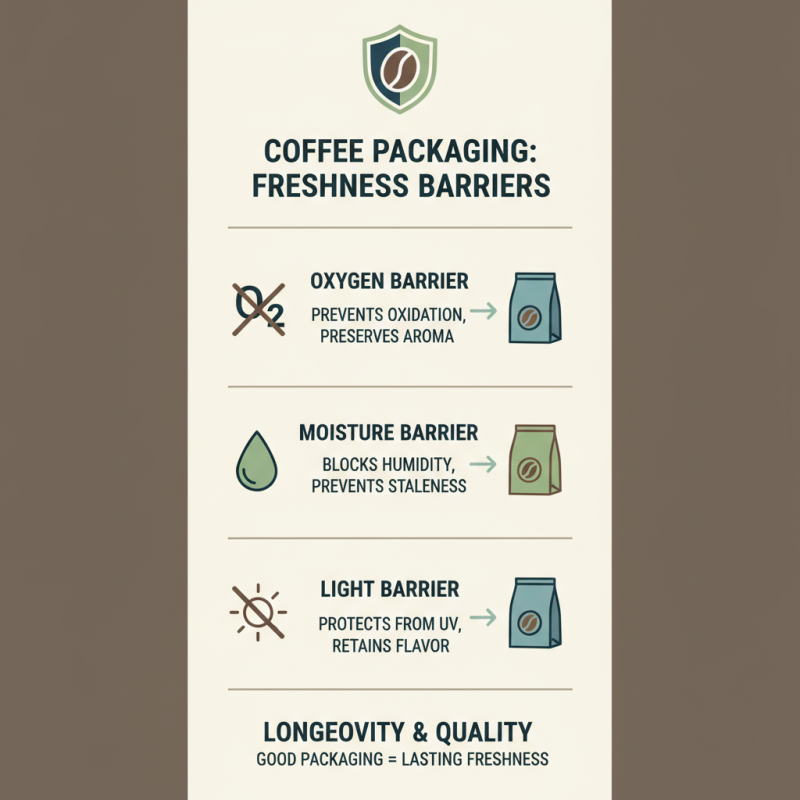
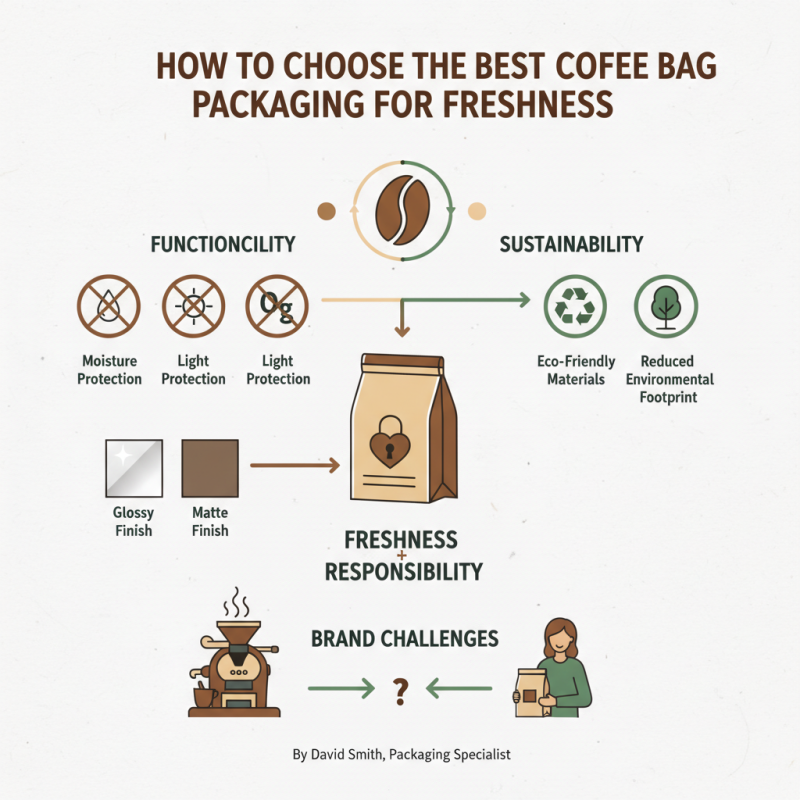
Selecting coffee bag packaging involves understanding various materials and their protective qualities. Factors such as moisture, light, and oxygen exposure can affect coffee quality. A glossy or matte finish can add aesthetic appeal, but functionality is paramount. Many brands grapple with these choices. What works for one may not work for another.
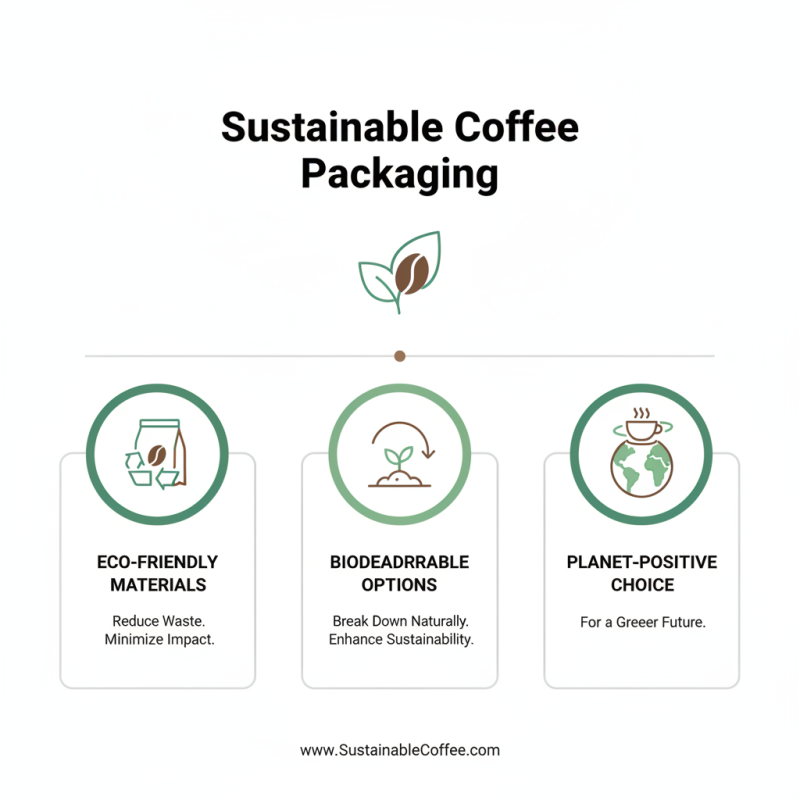
Moreover, sustainability is becoming increasingly important. Consumers often prefer eco-friendly options. Many coffee companies struggle with balancing their environmental footprint while maintaining product integrity. It's a complex challenge that requires careful consideration. The perfect coffee bag packaging should marry freshness with responsibility.
Understanding Coffee Bag Packaging Types for Freshness
Choosing the right coffee bag packaging is vital for maintaining freshness.
Various packaging types can significantly impact flavor and aroma retention. For example, one popular type is foil bags. These bags provide a barrier against light, oxygen, and moisture. A study shows that foil bags can keep coffee fresh for up to three months after roasting.
Another option is one-way valve bags. They allow gases produced during the roasting process to escape without letting oxygen in. This feature is crucial, as oxygen can lead to staleness.
A report by the Specialty Coffee Association indicates that using one-way valve bags can extend shelf life by an additional month compared to standard bags. However, they may not be the most visually appealing choice for consumers.
Plastic bags are also commonly used, but they often lack the protective qualities of foil or valve bags. Research has indicated that coffee in standard plastic bags tends to lose flavor quickly. The shelf life can be cut in half, leading to disappointing taste experiences. While easy to use, such packaging may require re-evaluation for those serious about coffee quality.
Evaluating Sealing Techniques for Optimal Freshness
When considering coffee bag packaging, sealing techniques play a vital role in preserving freshness. Studies show that oxygen exposure can degrade coffee flavor significantly. A well-sealed bag prevents oxidation, thereby maintaining the coffee's aromatic oils and taste profiles. According to a report by the Specialty Coffee Association, proper sealing can extend coffee freshness by up to four weeks.
One effective sealing method is the use of one-way valves. These valves allow gases released during roasting to escape while preventing outside air from entering the bag. It is essential to choose bags with high-quality, heat-sealed seams. Bags sealed poorly can lead to leaks, exposing coffee to oxygen and moisture. A common oversight is neglecting storage conditions post-packaging. Even the best-sealed bag can fail if exposed to heat or light.
Tips:
- Always check the seal integrity before purchase.
- Store coffee bags in a cool, dark place.
- Revisit packaging every few months to assess its effectiveness.
Evaluating different materials is also crucial. Foil bags tend to provide superior protection against light and oxygen. Biodegradable options are trending, but their effectiveness in sealing varies. Keep in mind that what appears sustainable may not always preserve freshness. Exploring various options might reveal unexpected shortcomings in both function and aesthetics.
Comparison of Coffee Bag Sealing Techniques for Freshness
Assessing the Impact of Material Choices on Flavor Retention
When selecting coffee bag packaging, the choice of materials significantly impacts flavor retention. A
study from the Specialty Coffee Association
reveals that packaging can influence freshness by up to 80%. For instance, many experts agree that
barrier properties are crucial.
Foil bags with multi-layer structures can effectively block light and oxygen, preserving coffee flavors longer.
However, not all materials are equal. Some biodegradable options may lack sufficient barrier qualities.
A report from Packaging Insights indicates that coffee stored in compostable bags can
lose freshness within weeks. This raises questions about sustainability versus flavor preservation.
Consumers often find themselves torn between eco-friendly choices and the need for optimal freshness.
Moreover, vacuum sealing can enhance flavor longevity. This method removes air from the bag, reducing oxidization.
Research in the Journal of Food Science shows vacuum-packed coffee retains more aroma
compounds than non-vacuum sealed alternatives. Still, the environmental impact of these methods begs reflection.
Balancing flavor retention with
eco-responsibility can be challenging in the coffee industry.