Top 10 Benefits of Using Pouch Plastic Bags for Your Needs?
Pouch plastic bags are becoming increasingly popular in various industries. These versatile bags offer numerous advantages that cater to different needs. Their lightweight nature makes them easy to transport and store. This efficiency can save both space and costs for businesses.
One key benefit of pouch plastic bags is their durability. They are designed to withstand rough handling and can preserve contents effectively. This reliability is essential for products that require protection from environmental factors. Additionally, their resealable features enhance convenience, allowing customers to keep items fresh.
Despite these advantages, some might overlook the environmental impact of plastic. It's crucial to consider eco-friendly options or choose recyclable materials when possible. This reflection on sustainability can enhance our overall approach to using pouch plastic bags. Balancing practicality and responsibility enriches our choices in packaging.
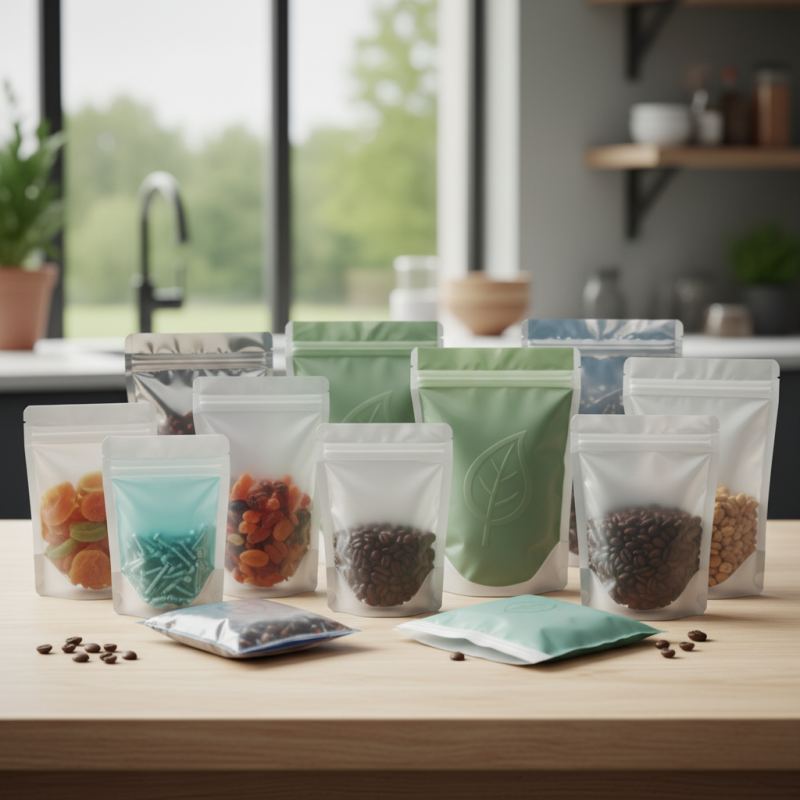
Benefits of Pouch Plastic Bags: A Comprehensive Overview
Pouch plastic bags have emerged as a versatile solution for various storage needs. They are lightweight, making them easy to handle and transport. According to a recent industry report, the global flexible packaging market is projected to reach $300 billion by 2025, with pouches taking a prominent share due to their efficiency.
One significant benefit of pouch plastic bags is their barrier properties. They protect products from moisture and oxygen, increasing shelf life. Some studies indicate that properly sealed pouches can keep contents fresh up to 50% longer than traditional containers. This detail is particularly pertinent in food and cosmetic industries, where quality is paramount.
Tips: When choosing pouch bags, consider the size and material that fits your needs. Look for options that offer re-sealable features for added convenience. Remember, not all pouches are created equal; some might lack the durability needed for heavy items.
While pouch bags are eco-friendlier compared to rigid packaging, they still contribute to plastic waste. Companies should explore recycling programs or opt for biodegradable materials. While the convenience is evident, thinking critically about sustainability is essential in packaging decisions.
Environmental Impact of Pouch Plastic Bags in Sustainable Packaging
Pouch plastic bags are increasingly recognized for their role in sustainable packaging. They offer versatility while reducing overall environmental impact. Studies indicate that flexible packaging, including pouches, generates less waste than rigid alternatives. In fact, flexible packaging can reduce carbon emissions by up to 30% compared to traditional packaging methods.
The production of pouch plastic bags often consumes less energy. According to the Flexible Packaging Association, producing a pound of flexible packaging requires only half the energy of glass or metal. This efficiency can significantly decrease the carbon footprint associated with packaging. However, not all pouch bags are created equal; it’s essential to choose recyclable options to maximize their environmental benefits.
Tip: When purchasing pouch plastic bags, look for those made from post-consumer recycled materials. This can help close the recycling loop.
Moreover, the lightweight nature of pouches contributes to lower transportation emissions. A lighter package means fewer trips and reduced fuel consumption. However, the convenience of pouches can lead to overuse and improper disposal, which is a considerable concern. Reflecting on these factors is crucial as we strive for sustainability in packaging.
Tip: Always recycle pouch bags where facilities exist to ensure they are properly processed.
Top 10 Benefits of Using Pouch Plastic Bags for Your Needs
Pouch plastic bags offer a range of benefits that contribute to efficient and effective packaging solutions. The chart above illustrates the scores of various benefits, including being lightweight, moisture-proof, and customizable. Each factor plays a crucial role in promoting sustainability and practicality in packaging.
Cost Efficiency: Analyzing the Economic Benefits of Pouch Plastic Bags
Pouch plastic bags have become a popular choice for many businesses and individuals. Their cost efficiency is a key factor for this trend. These bags are lightweight and often cheaper to produce compared to rigid containers. This means lower shipping costs and less space needed for storage. Additionally, they are available in various sizes, which helps in reducing material waste. Smaller sizes often lead to less product use, saving money in the long run.
Using pouch plastic bags can also decrease overall packaging expenses. They require fewer materials to manufacture, making them an environmentally friendly option. However, there are instances where the cost benefits may not be as significant. Some consumers may overlook the potential savings due to a perceived lack of durability. This perception could lead to hesitance in purchasing.
Despite these concerns, businesses can reflect on the long-term advantages of choosing pouch plastic bags. They provide a practical solution for various products, from snacks to cosmetics. Yet, the choice should be balanced with quality. It's vital to assess whether these bags meet the necessary protective standards for the products. This reflection could lead to more informed decisions in packaging.
Versatility in Applications: Industries That Thrive with Pouch Bags
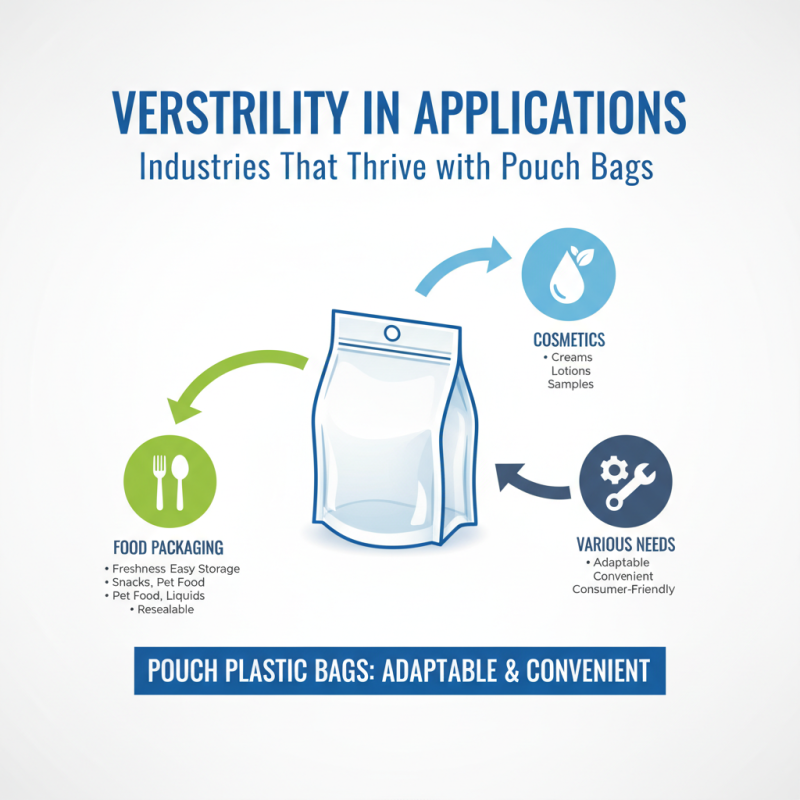
Pouch plastic bags offer incredible versatility, benefiting numerous industries. From food packaging to cosmetics, these bags adapt to various needs. In the food industry, they maintain freshness and are easy to store. Snacks, pet food, and even liquids find their home in pouch bags. The resealable option adds convenience that many consumers appreciate.
In the cosmetics sector, pouch bags help in creating an eye-catching presentation. Products like oils, serums, and creams are packaged securely. They use minimal material, reducing waste. While these bags serve well, some issues persist with sustainability. Recycling options can be limited, prompting ongoing discussion on eco-friendly alternatives.
Moreover, the retail industry thrives on pouch packaging. Small items can be grouped together, improving visibility on shelves. Pouches often weigh less, lowering shipping costs. Challenging aspects remain in branding, as some consumers prefer rigid packaging. There is room for improvement in ensuring pouches align with brand identity while offering practicality.
Consumer Preference Trends: Pouch Bags in Modern Retail Environments
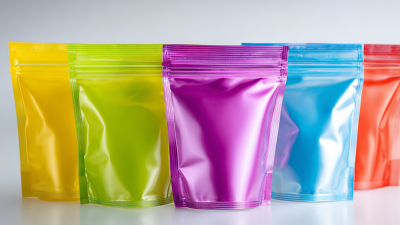
In modern retail, pouch plastic bags are becoming increasingly popular. Shoppers prefer them for their convenience and versatility. Many stores now use these bags to package snacks, personal care items, and even household goods. The design is often eye-catching, appealing to consumers' desires for attractive packaging.
Tips: When choosing pouch bags, think about your product's needs. Consider the bag's size and shape carefully. A well-fitted pouch enhances product visibility and can increase sales. Shoppers appreciate seeing the product clearly.
Retailers should also pay attention to sustainability trends. Many consumers now prefer eco-friendly materials. It’s important to reflect on this shift. Pouch bags made from recyclable materials can attract a more conscious customer base. It may take effort to source sustainable options, but the potential benefits are worth considering.
Pouch plastic bags can bring both appeal and practicality. Retail environments are changing, and adapting to these trends can be crucial. Embrace new designs, but remember the impact on the environment. Balancing aesthetics with responsibility can lead to better customer relations.
Top 10 Benefits of Using Pouch Plastic Bags for Your Needs
| Benefit |
Description |
Consumer Preference (%) |
| Lightweight |
Easy to carry and reduces shipping costs. |
75% |
| Durability |
Resistant to impact and punctures. |
80% |
| Customization |
Can be printed with various designs and logos. |
70% |
| Reusability |
Encourages eco-friendly practices by promoting reuse. |
65% |
| Versatility |
Suitable for a variety of products, from food to electronics. |
85% |
| Cost-effective |
Lower production and material costs compared to rigid packaging. |
90% |
| Space-saving |
Easier to store and transport due to flexible design. |
78% |
| Barrier Properties |
Protects contents from moisture and oxygen. |
72% |
| Attractive Presentation |
Enhances product visibility and appeal on shelves. |
88% |
| Convenience |
Easy to open and reseal for consumer use. |
77% |