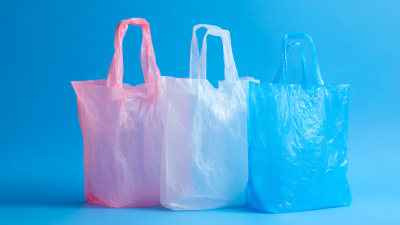
2026 Top Trends in Plastic Bag Printing Techniques and Styles?
In the ever-evolving world of Plastic Bag Printing, trends continuously shift to meet consumer demands. Experts like John Harrow, a leading figure in sustainable packaging, emphasize innovation in this field, stating, “The future of Plastic Bag Printing lies in creativity and sustainability.” This insight highlights the industry's potential to adapt and thrive.
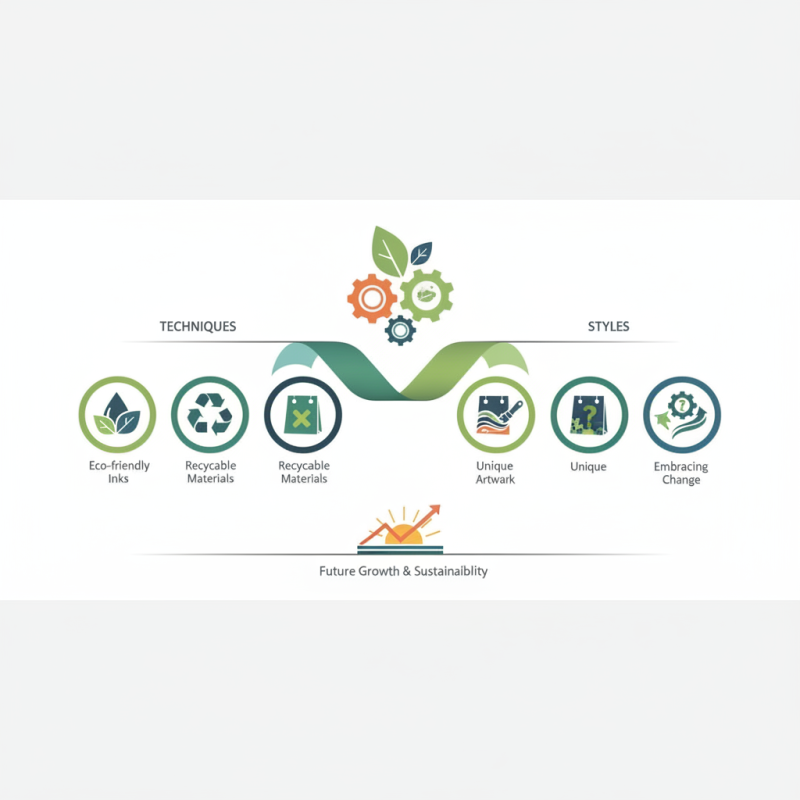
As we navigate through 2026, several trends have started taking shape. Eco-friendly inks and recyclable materials are gaining momentum. Brands are becoming more conscious of their environmental footprint. In this race for sustainability, companies must reflect on their processes. Are they truly reducing waste?
The designs of plastic bags are also transforming. Customization and unique artwork are in high demand. However, some companies still rely on outdated techniques. It leaves room for improvement. As we explore these top trends, we must question our practices and embrace the change that lies ahead in Plastic Bag Printing.
Emerging Technologies in Plastic Bag Printing for 2026
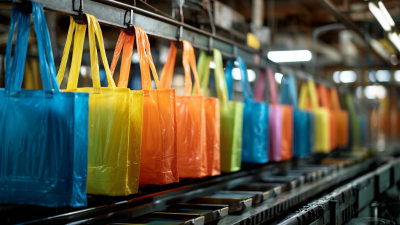
In 2026, plastic bag printing will undergo significant changes driven by emerging technologies. Digital printing continues to dominate, offering more customization options. Reports show digital printing can reduce setup time by up to 80%, adhering to fast-paced consumer demands. Innovations such as UV printing methods are gaining traction. They provide vibrant colors and durability, making bags more appealing.
A notable trend is sustainability. Biodegradable materials are becoming popular. However, many manufacturers struggle with balancing eco-friendliness and cost. This paradox creates a need for ongoing research and innovation. Companies must invest wisely to stay relevant in a competitive market.
Tips: Experiment with different inks to enhance the visual appeal. Consider investing in web-to-print solutions. This can simplify the ordering process. Being flexible with designs can cater to limited-time promotions. Always gather feedback from clients to improve.
Innovative Materials and Their Impact on Printing Techniques
The advent of innovative materials has transformed the plastic bag printing industry. Eco-friendly options are now more prevalent. Biodegradable plastics are gaining attention for their reduced environmental impact. These materials require specific printing techniques to ensure high-quality designs.
Incorporating water-based inks has become a popular choice. They are safer and more sustainable than traditional inks. Yet, achieving vibrant colors can be challenging. Manufacturers often struggle with color consistency and adhesion on new materials. Testing and adjustments are essential to maintain quality.
Moreover, digital printing technology is reshaping styles and efficiency. It allows for customization in short runs. However, this can lead to increased costs for small businesses. Balancing innovation with budget constraints can be difficult. Designers are constantly refining their approaches to meet market demands. Exploring these new materials offers exciting opportunities, but also presents hurdles that require thoughtful solutions.
2026 Top Trends in Plastic Bag Printing Techniques and Styles
| Printing Technique |
Material Type |
Style/Design |
Sustainability Impact |
| Digital Printing |
Biodegradable Plastics |
Custom Graphics |
High |
| Flexographic Printing |
Recycled Plastics |
Eco-Friendly Designs |
Moderate |
| Screen Printing |
LLDPE (Linear Low-Density Polyethylene) |
Bold Colors |
Low |
| Sublimation Printing |
Plant-Based Polymers |
Photographic Quality |
Very High |
| 3D Printing |
PLA (Polylactic Acid) |
Innovative Structures |
High |
Sustainable Practices in Plastic Bag Printing Trends
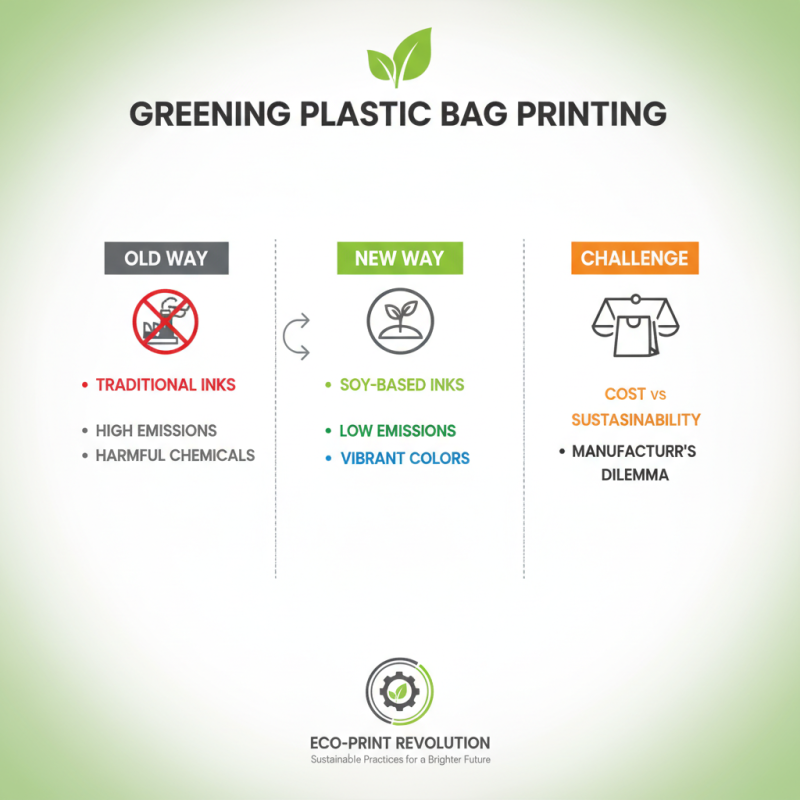
The shift toward sustainable practices is reshaping the plastic bag printing industry. Companies are now exploring eco-friendly materials and techniques. Soy-based inks, for instance, reduce harmful emissions during production. These inks also provide vibrant colors, appealing to consumers who care about the environment. However, the challenge remains for manufacturers to balance cost and sustainability.
Recyclable and biodegradable options are gaining popularity. Many brands use recycled plastics for production, reflecting a commitment to environmental responsibility. Yet, the availability of these materials can be inconsistent. Not all suppliers offer high-quality recycled options. This inconsistency can lead to subpar products, leaving consumers frustrated.
As these trends evolve, transparency becomes crucial. Customers want to know how their bags are made and sourced. Educating consumers about sustainable practices can build trust. However, this requires effort and dedication from businesses. Finding a genuine commitment to sustainability is essential, but it is also no easy task.
Design Aesthetics: Evolving Styles in Plastic Bag Graphics
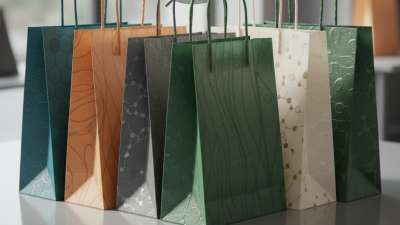
The design aesthetics of plastic bag graphics are rapidly evolving. Designers are pushing the boundaries, experimenting with bold colors and unique patterns. For instance, abstract shapes mixed with hand-drawn illustrations can create a distinct look. There’s a rise in minimalism too; simple designs are often more effective. However, finding the right balance is tricky. A too-simple design may not grab attention.
Textures are becoming an integral part of plastic bag printing. Different finishes, like matte or gloss, can significantly impact the overall aesthetic. Designers are reflecting on how these finishes interact with colors and patterns. A rough texture can feel less polished, but it adds character. Many hesitate to use unconventional methods, fearing they might not resonate with customers.
Sustainability influences current trends in plastic bag graphics. Eco-friendly inks and recycled materials are more common. Yet, some worry about sacrificing quality for sustainability. Consumers notice flaws when brands prioritize environment over design. Overall, the quest for innovation continues, with much room for reflection and improvement. The journey is complex but necessary for growth in the industry.
2026 Top Trends in Plastic Bag Printing Techniques and Styles
Market Demands Driving Changes in Plastic Bag Printing Practices
The demand for sustainable packaging continues to rise. According to a recent report by Smithers Pira, the global market for eco-friendly packaging will reach $400 billion by 2026. This shift is driving changes in plastic bag printing practices. Companies are now focusing more on biodegradable options. This is a response to consumer preferences for environmentally friendly products.
New printing techniques are emerging to meet this evolving market. Flexographic printing remains popular, but digital printing is gaining traction. A 2022 survey indicated that 45% of packaging companies planned to invest in digital technologies within the next two years. This growth reflects the efficiency and customization digital offers. However, challenges remain. The cost of digital machinery can be high, making it a hurdle for smaller businesses.
Brand storytelling is now essential in plastic bag designs. Eye-catching graphics can communicate a brand’s values. Yet, not all businesses embrace this trend. Some still rely on basic designs, missing an opportunity to connect with consumers. The market is changing fast. Businesses need to adapt to stay relevant. Only those willing to innovate will thrive in this competitive landscape.