2026 Top Trends in Flexible Packaging Plastic What to Expect?
The world of Flexible Packaging Plastic is evolving rapidly. As we head into 2026, experts predict exciting trends. Jane Smith, a veteran in the industry, notes, "Innovation in flexible packaging is essential for sustainability and efficiency." This sentiment drives many discussions among professionals.
The landscape of Flexible Packaging Plastic is changing due to consumer preferences. People want packaging that is not only eco-friendly but also functional. Brands are now exploring biodegradable and recyclable materials. This movement challenges companies to rethink their current practices. Are we doing enough to address waste?
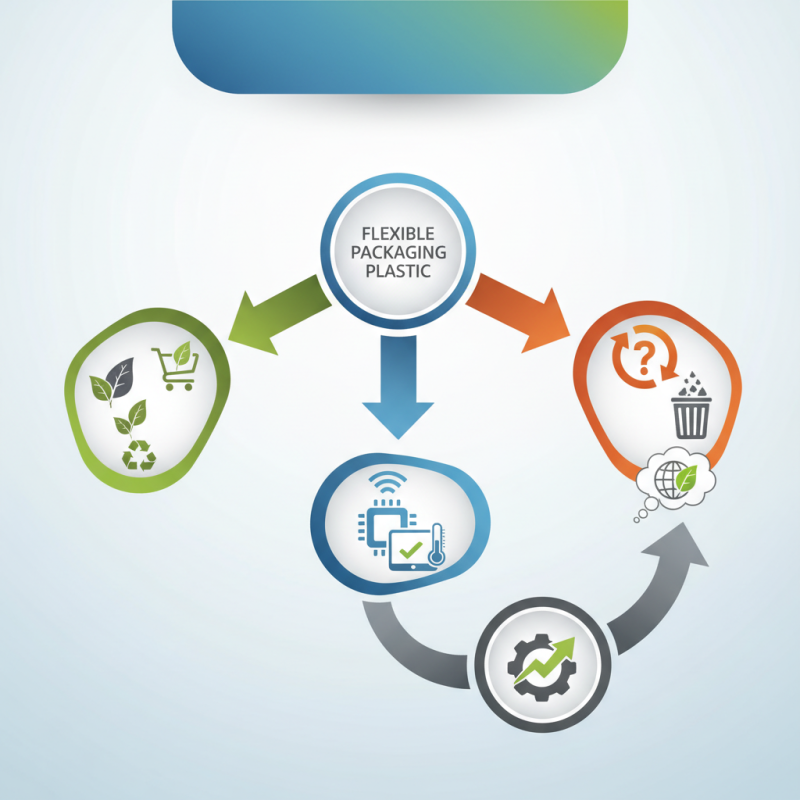
Additionally, smart technology is making its way into Flexible Packaging Plastic. Packaging can now communicate important information like freshness and safety. However, there are concerns about the blending of technology and packaging. It raises questions about waste management in the future. As we embrace these advancements, reflection on environmental impacts is crucial. The journey ahead in Flexible Packaging Plastic looks promising, but challenges remain.
Emerging Innovations in Flexible Plastic Packaging for 2026
The flexible packaging plastic industry is evolving rapidly, with innovations shaping its future. By 2026, the market is expected to reach $300 billion, driven by sustainability and convenience. A recent report highlighted that 70% of consumers prefer brands using eco-friendly packaging. This demand is prompting companies to explore biodegradable and recyclable options.
Emerging technologies play a significant role in this transformation. Advanced materials like compostable films and plant-based plastics are gaining traction. According to industry insights, these advancements could lead to a 30% reduction in carbon footprint for packaging production. Yet, the challenge remains in balancing cost and material performance. Many companies struggle to find affordable solutions that meet both sustainability goals and consumer expectations.
Moreover, automation and smart packaging are on the rise. Innovative designs are emerging, including self-heating sachets and tamper-proof features. However, the integration of such technologies may require rethinking existing supply chains. Investing in new systems can be daunting for some players. The path ahead holds promise, but also necessitates careful consideration of environmental impacts and market readiness.
2026 Top Trends in Flexible Packaging Plastic What to Expect?
| Trend |
Description |
Expected Impact |
Adoption Rate (%) |
| Sustainability |
Increase in the use of biodegradable and recyclable materials. |
Reduction of plastic waste; improved brand image. |
80% |
| Smart Packaging |
Integration of technology for tracking and monitoring. |
Enhanced product security and supply chain management. |
65% |
| Lightweighting |
Development of thinner, more durable packaging materials. |
Lower shipping costs and reduced material usage. |
75% |
| Customization |
Tailor-made packaging solutions to meet diverse consumer needs. |
Improved customer satisfaction and increased sales. |
70% |
| E-commerce Packaging |
Innovative designs for safe delivery and user convenience. |
Greater protection during transit and enhanced unboxing experience. |
85% |
Sustainability Practices in the Flexible Packaging Industry
Sustainability in the flexible packaging industry is gaining momentum. The increasing awareness of plastic waste is pushing companies to adopt eco-friendly practices. More brands are exploring biodegradable alternatives. This shift helps reduce landfill impact and encourages recycling.
However, challenges remain. Many biodegradable materials are still not widely accepted in recycling streams. It's crucial to improve infrastructure for proper disposal. Education on the importance of recycling is also needed. Consumers must understand how to handle flexible packaging.
Innovative solutions are emerging. Companies are experimenting with plant-based materials. These options are not just sustainable; they can also be cost-effective. Yet, the durability of these materials might fall short compared to traditional plastics. It's a balancing act between sustainability and performance. Continuous improvement is essential for the industry's future.
2026 Top Trends in Flexible Packaging Plastic
This bar chart represents the expected trends in flexible packaging plastics by 2026, focusing on key sustainability practices. The data reflects the projected percentage of industry focus on various sustainable initiatives.
Impact of Consumer Preferences on Flexible Packaging Trends
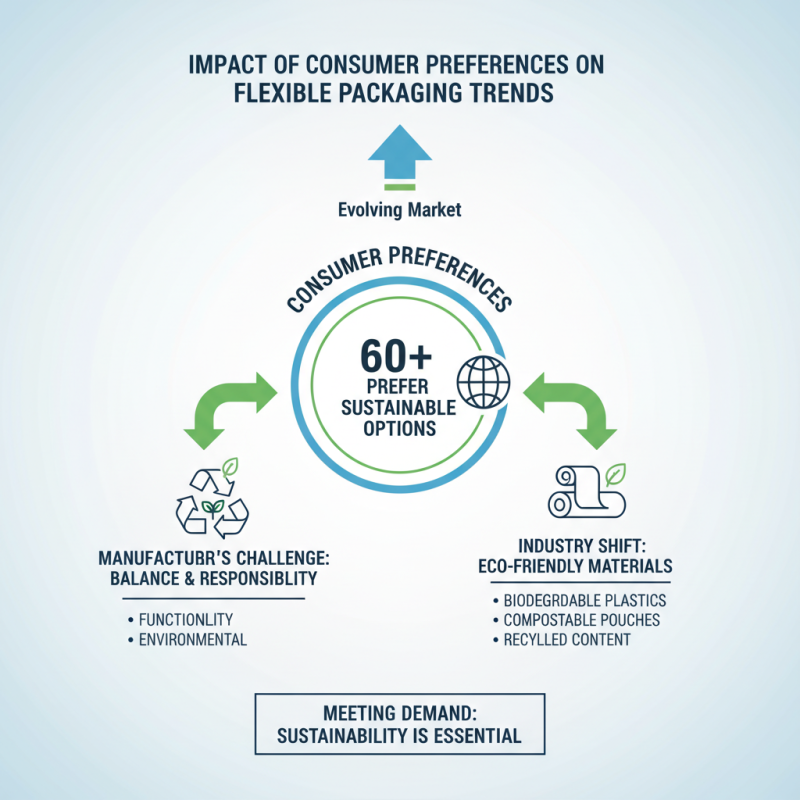
The flexible packaging market is evolving rapidly, driven by changing consumer preferences. According to a recent report, over 60% of consumers prefer sustainable packaging options. This shift presents manufacturers with a challenge to balance functionality and environmental responsibility. More eco-friendly materials are now essential to meet consumer demands.
Tip: Brands should invest in biodegradable materials. This could attract eco-conscious consumers while reducing environmental impact. Another significant trend is convenience. Consumers favor packaging that enhances usability, like easy-open designs. This indicates a need for creative innovation in product delivery.
Data shows that 70% of shoppers value easy-to-use packaging. This preference leads manufacturers to rethink design processes. However, some brands still struggle with implementing these trends effectively. They may face difficulties in sourcing sustainable materials or ensuring product protection. As the market shifts, businesses must adapt to satisfy evolving consumer needs.
Technological Advancements Driving Flexible Packaging Solutions
The flexible packaging industry is evolving rapidly, driven by technological advancements. Innovations in materials science are creating thinner, lighter films that maintain durability. These developments enhance product shelf life and reduce waste, a growing concern for many consumers. Smart packaging is also making waves, integrating sensors that monitor freshness and safety.
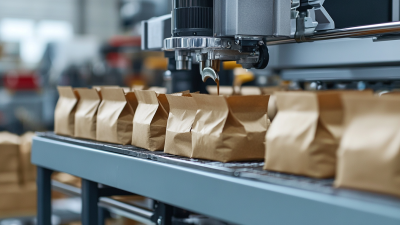
Automated production processes are on the rise. They increase efficiency in production lines and reduce human error. However, not all companies prioritize this technology, leading to inconsistencies in quality. Additionally, some manufacturers grapple with the transition to sustainable materials. While the shift is necessary, challenges in performance and cost remain. Balancing eco-friendliness with durability is tricky for many.
Packaging designs are becoming more intricate due to digital printing technology. This allows for customization and smaller production runs. However, this innovation comes with its own set of concerns. The increased complexity may lead to higher production times. It may also challenge the supply chain. Companies must reflect on these aspects as they progress in this competitive landscape.