2026 Top Stand Up Bag Trends for Global Buyers to Consider
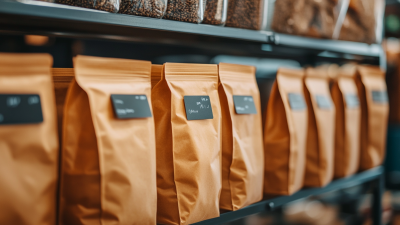
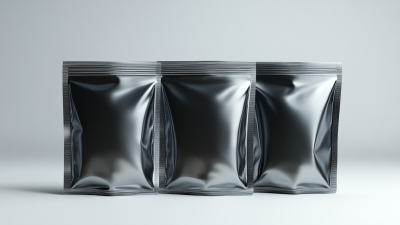
In the fast-evolving world of packaging, the "Stand Up Bag" has gained tremendous popularity among global buyers. This trend reflects a shift towards convenience and sustainability. Stand Up Bags offer versatility, appealing to various industries. With their unique design, they stand upright, enhancing shelf display and attracting consumer attention.
As we approach 2026, understanding emerging trends in Stand Up Bags is crucial. Innovation in materials and designs is no longer optional; it’s essential. Customers are increasingly looking for eco-friendly solutions. Brands must adapt to these changing preferences. It’s not just about aesthetics anymore; functionality plays a key role.
However, challenges exist. Not every company can pivot quickly to new trends. Some may struggle with material sourcing or cost-effective production. It’s important for businesses to reflect on their strategies. They must consider how to meet these evolving needs while maintaining brand integrity. The future of Stand Up Bags is bright, but it requires thoughtful planning and execution.
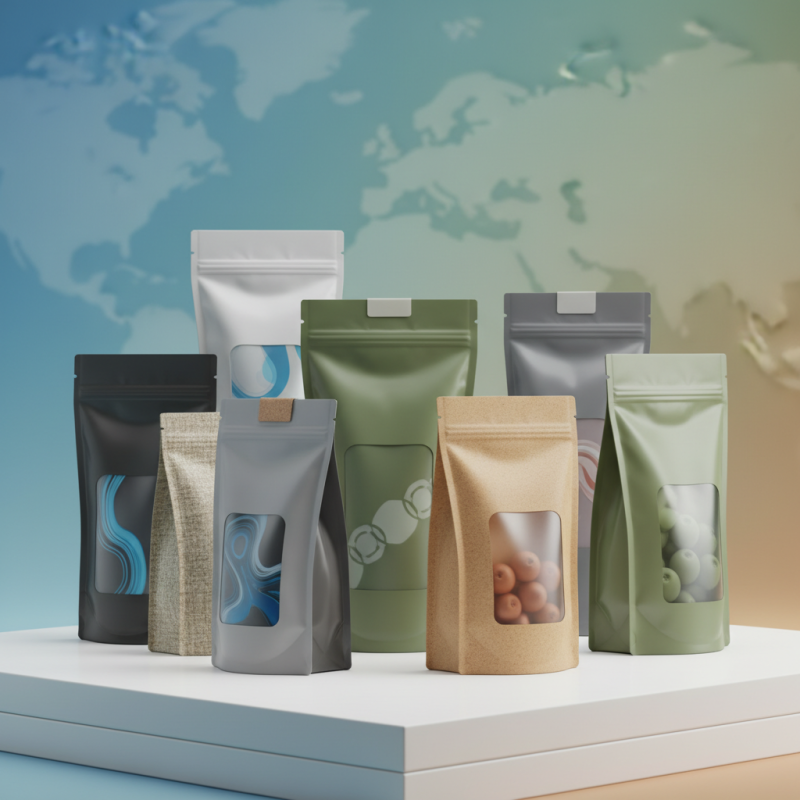
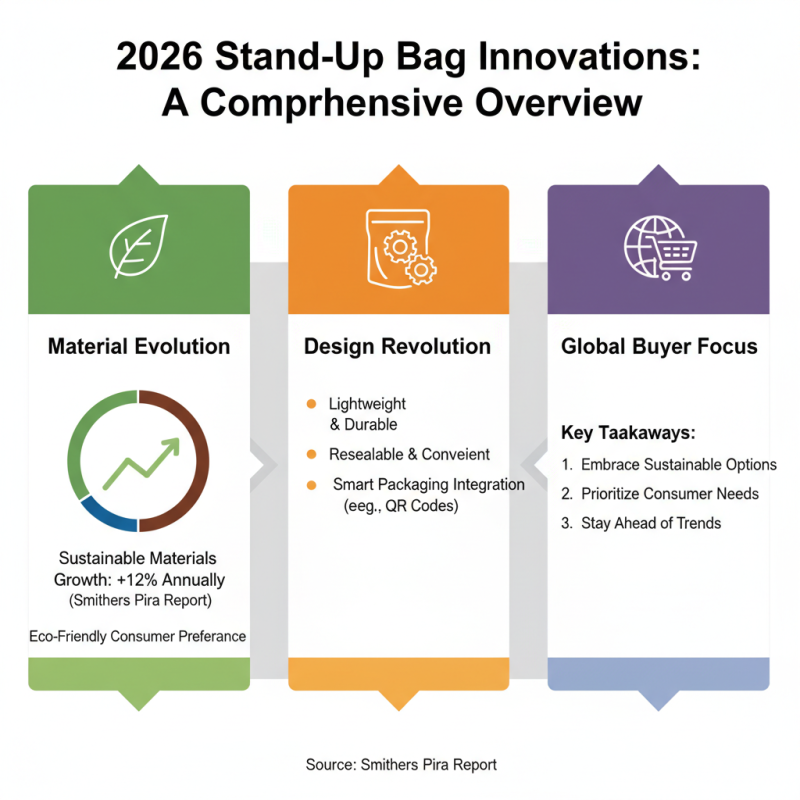
2026 Stand Up Bag Innovations: A Comprehensive Overview
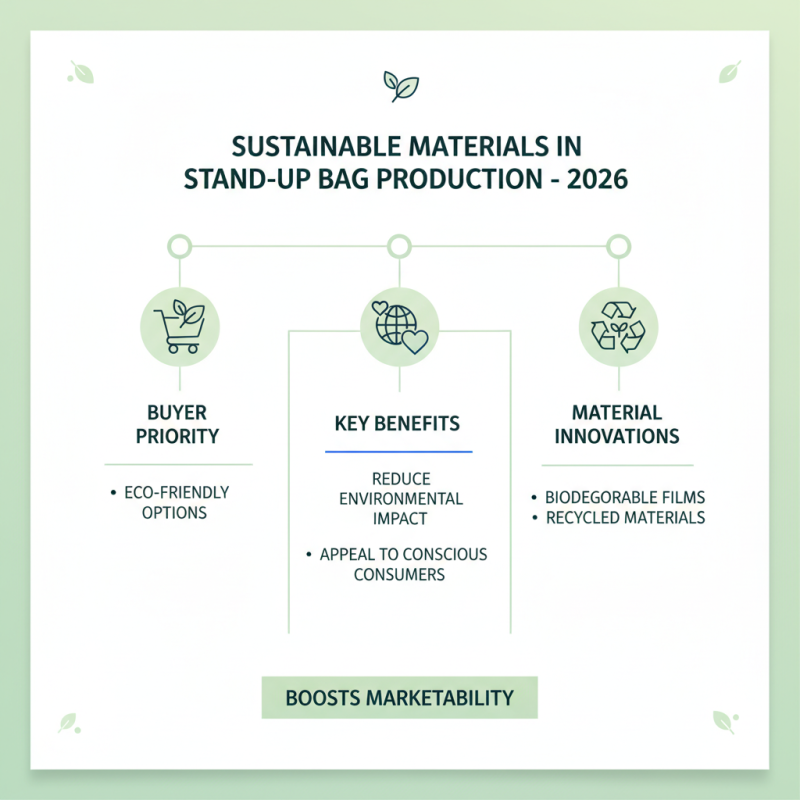
The landscape of stand-up bags is evolving rapidly. Innovations in material and design are shaping the future. In 2026, global buyers should pay close attention to sustainable materials. A report by Smithers Pira indicates that sustainable packaging is expected to grow by 12% annually. This shift reflects consumer preferences towards eco-friendly products.
Additionally, functionality remains a key focus. Research by Freedonia Group suggests that the demand for resealable packaging will increase significantly. This trend offers convenience for consumers seeking easy access and extended freshness. Features such as spouts and easy-tear notches are also gaining traction. They enhance usability while meeting market standards.
Design complexity presents challenges. While many new ideas might sparkle, not all offer practical benefits. Buyers often struggle with balancing aesthetics and functionality. Poor design can lead to wasted materials and consumer frustration. Gathering feedback from users is crucial for refining these innovations. The goal is to create stand-up bags that not only attract but also satisfy consumer needs.
Consumer Preferences Shaping Stand Up Bag Designs in 2026
In 2026, consumer preferences significantly influence the design of stand up bags. Shoppers are now seeking sustainable materials. Eco-friendly packaging is at the forefront. Brands must adapt to this shift. A growing awareness of environmental issues drives this change. Many buyers prioritize compostable or recyclable options.
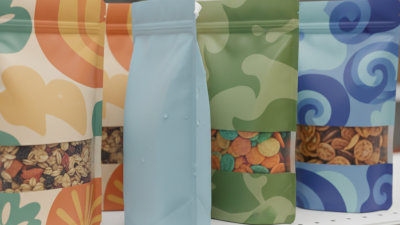
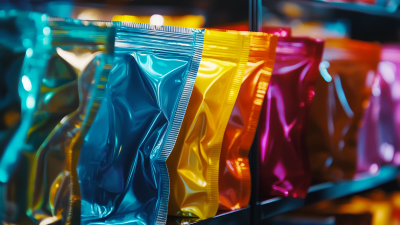
Visual appeal remains crucial. Bold colors and unique shapes attract attention. Shoppers desire packaging that stands out on the shelf. Minimalistic designs are also gaining traction. Simple aesthetics can convey quality and sophistication. Yet, striking a balance between simplicity and creativity can be challenging.
Functionality is another key factor. Buyers want easy-to-use bags with resealable features. Convenience plays a vital role in their decisions. However, achieving the perfect blend of design and usability is often daunting. Brands must continue to innovate while keeping these preferences in mind. The future of stand up bags relies on understanding these evolving consumer needs.
Emerging Trends in Stand Up Bag Printing and Branding Techniques
The stand-up bag market is rapidly evolving, driven by the need for innovative branding techniques. In 2023, the global flexible packaging market is valued at approximately $250 billion, with a significant portion allocated to stand-up bags. These bags are not just practical; they serve as an essential canvas for brand storytelling. Brands are now leveraging printing technology to create eye-catching designs that resonate with consumers. Recent studies indicate that consumers are drawn to packaging that tells a story, reflecting personal values.
Digital printing techniques are gaining traction in stand-up bag production. According to a report by Smithers Pira, digital printing in flexible packaging saw a growth of 20% over the last year. This method allows for short runs, rapid prototyping, and customization. As a result, businesses can adapt their packaging in response to market trends quickly. However, some companies struggle to balance quality with cost-effectiveness, often leading to mixed results.
Sustainability in printing choices is another important consideration. The rise in eco-conscious consumers has led brands to seek environmentally friendly inks and processes. A 2022 survey showed that over 70% of consumers prefer sustainable packaging solutions. Yet, challenges remain in sourcing these materials without compromising on visual appeal. Brands must continuously innovate to meet both aesthetic and environmental standards.
Market Insights: Key Global Players in the Stand Up Bag Industry
The stand-up bag industry is evolving rapidly. According to a recent market research report, the global stand-up bag market is projected to reach approximately $12 billion by 2026. This growth is driven by increasing demand for convenient and eco-friendly packaging solutions.
Key global players are honing in on sustainable materials and innovative designs. Market leaders are integrating biodegradable options and recyclable components into their products. The focus is on reducing environmental impact while meeting consumer demand for quality. Industry analysis indicates that 35% of consumers prefer brands using eco-friendly packaging.
However, challenges persist. Many manufacturers struggle with balancing cost and sustainability. Not all materials achieve the same level of shelf life or durability. This inconsistency can affect product performance and customer perception. Companies must navigate these complexities to remain competitive.
2026 Top Stand Up Bag Trends for Global Buyers to Consider - Market Insights
| Trend |
Description |
Market Share (%) |
Growth Rate (CAGR %) |
| Sustainable Materials |
Increase in the use of biodegradable and recyclable materials. |
30% |
12% |
| Flexible Packaging |
Growth in demand for lightweight, easy-to-store packaging solutions. |
25% |
10% |
| Customization |
Increased focus on personalized packaging designs to attract consumers. |
20% |
15% |
| Convenience Features |
Designs incorporating easy-open mechanisms and resealable options. |
15% |
8% |
| Smart Packaging |
Integration of technology for tracking and inventory management. |
10% |
20% |