2026 Top Plastic Pouch Packaging Trends and Innovations?
In the rapidly evolving world of packaging, 2026 promises significant advancements in Plastic Pouch Packaging. Renowned industry expert, Dr. Emma Carter, once stated, "Adaptation is key to staying relevant in the packaging sector." This insight resonates deeply as brands aim to innovate while addressing sustainability and consumer demands.
Plastic Pouch Packaging is becoming increasingly popular for its versatility and convenience. Brands are experimenting with new designs, materials, and functionalities, transforming how products are delivered. From resealable pouches to compostable options, the landscape is vast. However, the industry faces challenges. Balancing innovation with environmental concerns is no small feat.
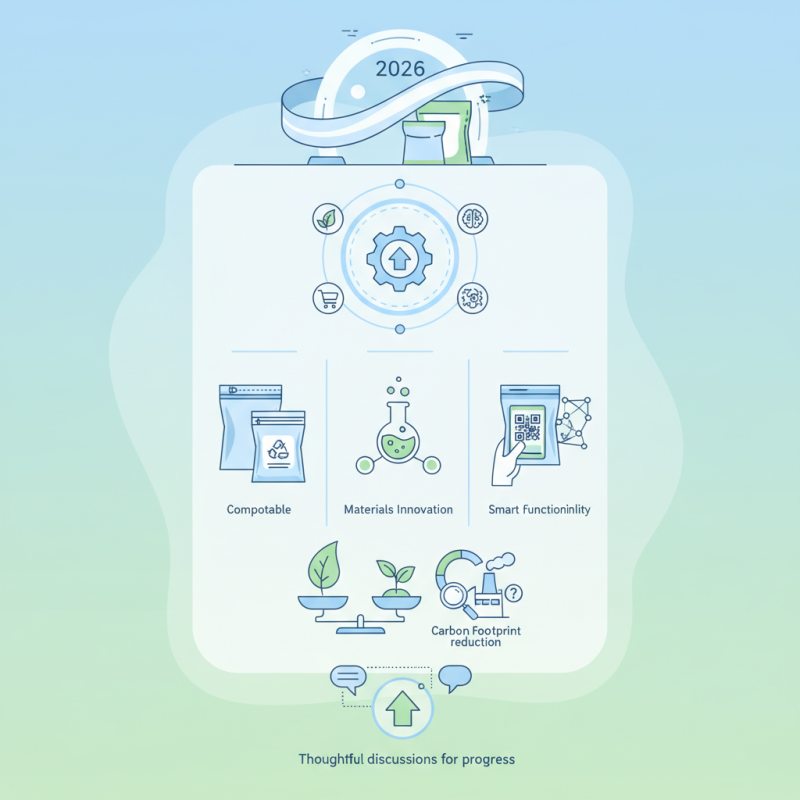
Companies are under pressure to reduce their carbon footprints. While some advancements are commendable, the question remains: are we doing enough? Reflecting on current practices can reveal gaps in sustainability efforts. As we enter this transformative era, engaging in thoughtful discussions will be crucial for meaningful progress in Plastic Pouch Packaging.
Future of Sustainable Materials in Plastic Pouch Packaging
The future of sustainable materials in plastic pouch packaging is evolving rapidly. Innovations are emerging, aiming to replace traditional plastics. Many companies are exploring biodegradable options derived from natural sources. These materials help reduce the environmental impact. However, challenges remain in balancing cost and performance.
Recyclable pouches are gaining popularity. They offer an alternative for consumers who care about the planet. More businesses are investing in materials that are easier to recycle. Yet, education on proper disposal is still needed. Many consumers still struggle to recycle packaging correctly.
Additionally, the market is witnessing the rise of compostable pouches. These products break down in composting facilities. They present an exciting solution to waste management. However, awareness of compostable options is low. Thus, more efforts are necessary to inform the public. The journey toward sustainable packaging is ongoing and so requires constant reflection.
Key Innovations Driving Smart Packaging Solutions
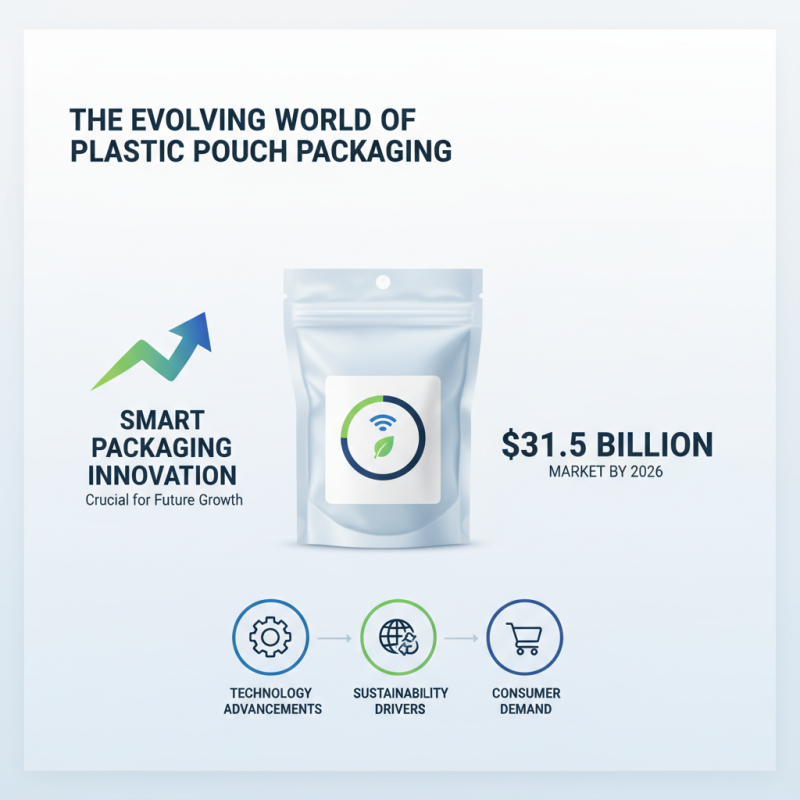
The landscape of plastic pouch packaging is shifting rapidly. Innovations in smart packaging are crucial. According to recent studies, the smart packaging market is expected to reach $31.5 billion by 2026. This growth is propelled by advancements in technology, sustainability, and consumer demand.
One notable trend is the integration of sensors into packaging. These sensors can track freshness and temperature. They provide real-time data for consumers and retailers. Such innovations enhance the user experience but also present challenges. Companies must balance functionality with costs. Initially, many hesitate to invest in new technologies due to perceived risks.
Sustainability is equally important. The push for biodegradable materials is stronger than ever. Research indicates that 70% of consumers prefer eco-friendly packaging. However, developing sustainable solutions can be complex. Brands face the dilemma of keeping costs down while meeting consumer expectations. This ongoing evolution highlights the need for thoughtful innovation in the packaging industry.
Consumer Preferences Shaping Plastic Pouch Design Trends
Consumer preferences are rapidly transforming the plastic pouch packaging landscape. Data from recent industry reports indicates that flexible packaging is expected to grow at a CAGR of 4.5% through 2026. This growth is driven by consumers' demand for lightweight, convenient, and sustainable options. Today, shoppers seek packaging that not only preserves product freshness but also aligns with their eco-conscious values. Traits like resealability and portion control are on everyone’s minds.
Another key trend is personalization. Brands are utilizing innovative printing techniques to make pouches more engaging. Studies show that packaging that tells a story can increase purchase intent by up to 20%. Colors, textures, and unique shapes resonate more with consumers, enhancing their shopping experience. Sustainability is vital. Reports indicate that 72% of consumers prefer brands with eco-friendly packaging solutions.
Tips: To meet modern consumer demands, prioritize convenience and sustainability in designs. Consider using recyclable materials that reduce environmental impact. Make sure your packaging is functional while still standing out on the shelf. Don't overlook consumers' desire for personal connection; unique designs can help your product shine.
Advancements in Barrier Technologies for Pouch Packaging
Barrier technologies are evolving rapidly in pouch packaging. These advancements are essential for extending shelf life and improving product safety. Innovative materials are now available that provide superior resistance to moisture, oxygen, and light. This allows products to maintain their freshness longer, which is vital for consumer satisfaction.
New layering techniques create multi-barrier systems. These systems can combine various materials into a single pouch. For example, a blend of plastic and aluminum layers can offer exceptional protection. However, the challenge lies in ensuring that these multi-material pouches are recyclable. Industry players are grappling with balancing protection and sustainability.
While there is progress, limitations remain. Some newer barrier technologies may not be fully tested for all applications. The cost associated with these innovations can also be a concern for smaller manufacturers. Exploring these issues is crucial as the industry moves forward. Continuous improvement is needed to meet consumer demands without compromising environmental goals.
2026 Top Plastic Pouch Packaging Trends and Innovations
| Trend/Innovation |
Description |
Impact |
Future Outlook |
| Advanced Barrier Films |
Development of multi-layer films that enhance moisture and oxygen barriers. |
Improved shelf-life of products, reducing spoilage. |
Projected growth in demand for shelf-stable products. |
| Recyclable Materials |
Use of recyclable plastics to meet sustainability goals. |
Decreased environmental impact and increased consumer appeal. |
Rise in circular economy practices within the packaging industry. |
| Smart Packaging Technologies |
Integration of sensors and QR codes for product tracking and consumer interaction. |
Enhanced customer engagement and quality assurance. |
Continued innovation expected in the Internet of Things (IoT) for packaging. |
| Biodegradable Alternatives |
Shift towards bioplastics and other sustainable materials. |
Reduction in plastic waste and alignment with consumer preferences. |
Increasing investments in R&D for new biodegradable options. |
| Lightweighting Techniques |
Innovations focused on reducing the materials used in pouch production. |
Decrease in raw material costs and improvements in transportation efficiency. |
Next-gen materials expected to enter the market with further weight reduction. |
Impact of E-Commerce on Plastic Pouch Packaging Strategies
The rise of e-commerce has transformed the landscape of plastic pouch packaging. A recent report indicates that the global packaging market will grow by over 4% annually. This growth has led many businesses to rethink their packaging strategies. Convenience is now a key driver. Online shoppers prefer lightweight and easy-to-use packages.
Plastic pouches allow for versatile designs. They can be resealable, stand-up, or flat. This flexibility meets consumer demand for user-friendly options. According to industry data, around 30% of consumers say packaging influences their purchasing decisions. E-commerce platforms amplify this effect. Eye-catching designs can significantly boost online sales.
Tips: Consider sustainability in your packaging choices. Customers increasingly favor eco-friendly materials. Only 25% of packaging is currently recyclable. Analyze your packaging's environmental impact. Small changes can make a big difference. Prioritize innovation to stay competitive in the evolving market. Keeping up with trends can feel overwhelming. However, staying informed is essential for success.
2026 Top Plastic Pouch Packaging Trends and Innovations
This bar chart illustrates the projected impact of e-commerce on various plastic pouch packaging trends for the year 2026. The data reflects the increasing demand for sustainability, convenience, and innovative designs in plastic pouch packaging.