2026 Best Flexible Packaging Plastic Options for Sustainable Solutions?
The demand for sustainable solutions is reshaping many industries, including packaging. Flexible Packaging Plastic has emerged as a viable option. Companies are exploring ways to reduce environmental impact while maintaining functionality.
Flexible Packaging Plastic offers versatility in design and application. It can be tailored to meet the needs of various products, from food to personal care. However, the material also presents challenges. Recycling rates for flexible plastics remain low, which raises concerns. The balance between convenience and sustainability demands attention.
Exploring the best flexible packaging options requires careful consideration. It is crucial to evaluate materials that offer both performance and environmental benefits. Some solutions exist, yet many are not widely adopted. The industry must continue pushing boundaries to improve. The journey toward sustainable flexible packaging is ongoing, with much to learn and refine.

Overview of Flexible Packaging and Its Importance in Sustainability
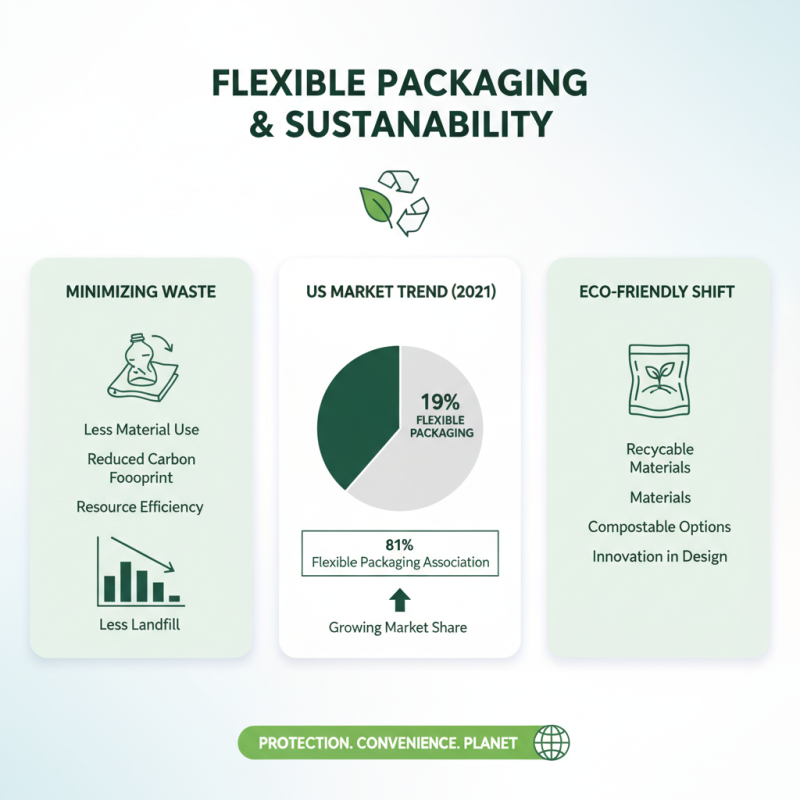
Flexible packaging has become a crucial component in sustainable development. It offers protection and convenience while minimizing waste. In the U.S., flexible packaging accounted for about 19% of the total packaging market in 2021, according to the Flexible Packaging Association. This trend reflects the packaging industry's shift towards eco-friendly materials.
The importance of flexible packaging lies in its efficiency. Materials are lightweight, which reduces transportation emissions. Research indicates that lightweight packaging can cut greenhouse gas emissions by 33% compared to rigid options. However, the challenge remains. Many flexible materials are multi-layered, making recycling difficult. This complexity often leads to contamination in recycling streams.
Moreover, the demand for sustainable solutions increases. A 2022 Nielsen report noted that 73% of consumers prefer brands that use sustainable packaging. But the reality is not so clear-cut. Innovative materials are emerging, yet the process of transitioning is slow. It's vital for the industry to invest in R&D to resolve these issues. The future of flexible packaging must balance convenience with true sustainability.
Types of Plastic Materials Used in Flexible Packaging
Flexible packaging has become increasingly popular due to its versatility and sustainability. Various types of plastic materials are commonly used in this sector. For instance, polyethylene (PE) is lightweight and provides excellent moisture barrier properties. It is widely used for food packaging and often recycled.
Another notable material is polypropylene (PP). Known for its strength, PP is ideal for packaging items requiring durability. However, its recycling rate is lower than that of PE. It's crucial to consider this when choosing materials for sustainable solutions.
Some flexible packaging also utilizes bioplastics. These materials are derived from renewable resources, offering an eco-friendlier alternative. Yet, bioplastics can sometimes face challenges in terms of compostability and recycling. Balancing performance and sustainability remains a significant task for manufacturers. As the industry evolves, exploring better alternatives will be essential for reducing environmental impact.
2026 Best Flexible Packaging Plastic Options for Sustainable Solutions
This chart represents the usage distribution of different types of plastic materials in flexible packaging solutions for 2026, highlighting their sustainability aspects. The data reflects the shift towards eco-friendliness in the packaging industry.
Comparative Analysis of Eco-Friendly Plastic Options
In recent years, the demand for eco-friendly packaging has surged. Companies are searching for
flexible plastic options that minimize environmental impact. Several materials have emerged, each with unique properties and challenges.
Biodegradable plastics, for instance, break down more easily. However, they still require specific conditions to
decompose effectively. This limitation raises questions about their true environmental benefits.
Another option is recycled plastic. Using existing materials reduces waste and conserves resources. Yet,
the quality of recycled plastics can vary widely. Some products may not meet the standards required for certain applications. The process of recycling itself can also consume substantial energy. This makes the choice of recycled versus new materials a complex issue.
Plant-based plastics are gaining traction as well. Made from renewable resources, they offer a sustainable alternative.
Nonetheless, these materials can compete with food production. This creates ethical debates around resource allocation. As companies navigate these choices, it’s crucial to consider the
full lifecycle of each option. The movement toward eco-friendly packaging is promising but far from perfect.
Innovative Technologies for Sustainable Flexible Packaging Solutions
The flexible packaging industry is experiencing rapid innovations aimed at sustainability. New technologies are emerging to create eco-friendly materials that can reduce environmental impact. Biodegradable films and recyclable laminates are gaining attention among manufacturers. These materials offer practical alternatives while maintaining performance standards.
Advancements in printing technology also contribute to sustainability. Water-based inks and digital printing techniques minimize waste and environmental harm. Packaging designs are increasingly focusing on reducing the overall material used. Streamlining the design process can be crucial. However, the challenge lies in balancing functionality and sustainability.
Despite these advancements, there are still hurdles to overcome. The recycling infrastructure may not fully support emerging materials. Consumer awareness and participation in recycling programs are also significant aspects. Many consumers are still unaware of how to properly dispose of flexible packaging. This gap in understanding highlights the need for better communication and education in sustainable practices.
Future Trends in Sustainable Flexible Packaging Practices
The future of sustainable flexible packaging is evolving. Innovations aim to reduce plastic waste and improve recyclability.
Biodegradable materials are gaining popularity, but they have limitations. Many consumer goods still rely on traditional plastics, which complicates recycling efforts.
Companies are exploring plant-based alternatives. These materials can offer similar benefits without the negative environmental impact. However, sourcing and production can be challenging.
It's a balancing act between sustainability and performance. The demand for eco-friendly options is rising, yet the technology must catch up.
Education is crucial. Consumers need to understand the benefits of choosing sustainable packaging.
Not all materials labeled as “green” are genuinely eco-friendly. Transparency in the supply chain is essential.
As the industry adapts, collaboration will drive real change. The path to sustainability is not straightforward, but it is necessary.