2026 Best Seal Packaging Techniques for Food and Products?
In the world of food safety and product preservation, seal packaging stands as a crucial technique. Experts emphasize its importance. John Smith, a leading authority in seal packaging, once stated, "Effective seal packaging preserves quality and extends shelf life." This quote highlights why businesses must prioritize innovative packaging methods.
As we look to 2026, companies face challenges in distinguishing their products. Customers demand freshness and durability. Seal packaging can offer solutions to these needs. Advances in technology have opened new avenues for sealing techniques. Yet, many still struggle to implement these methods effectively.
The industry will require adaptation. It's essential to analyze current practices and refine them. Poor seal execution can lead to spoilage and waste. Companies must remain vigilant in their approach. A focus on sustainability and efficiency within seal packaging techniques will shape the future of food and product preservation.
Overview of Seal Packaging Techniques for Food and Products
Seal packaging techniques are vital for preserving food and products. They prevent contamination and extend shelf life. This is especially important in the food industry, where freshness is key. Effective sealing can also reduce waste by ensuring products last longer.
Different techniques exist, each with its pros and cons. Heat sealing is common for plastic bags. It creates a strong bond but may not be suitable for all materials. Vacuum sealing removes air from packaging. This can significantly slow down spoilage. However, it often requires specialized equipment. Some might overlook the importance of proper sealing. Gaps can lead to spoilage, rendering products unfit for consumption.
Innovative methods are emerging, like modified atmosphere packaging. This technique adjusts the composition of gases surrounding a product. It can improve quality but is typically more complex and costly. It's essential to weigh the benefits against potential drawbacks. Adopting new methods may involve a learning curve and adaptation challenges. Exploring these options requires careful consideration and ongoing reflection on packaging needs.
Benefits of Effective Seal Packaging for Preservation and Safety
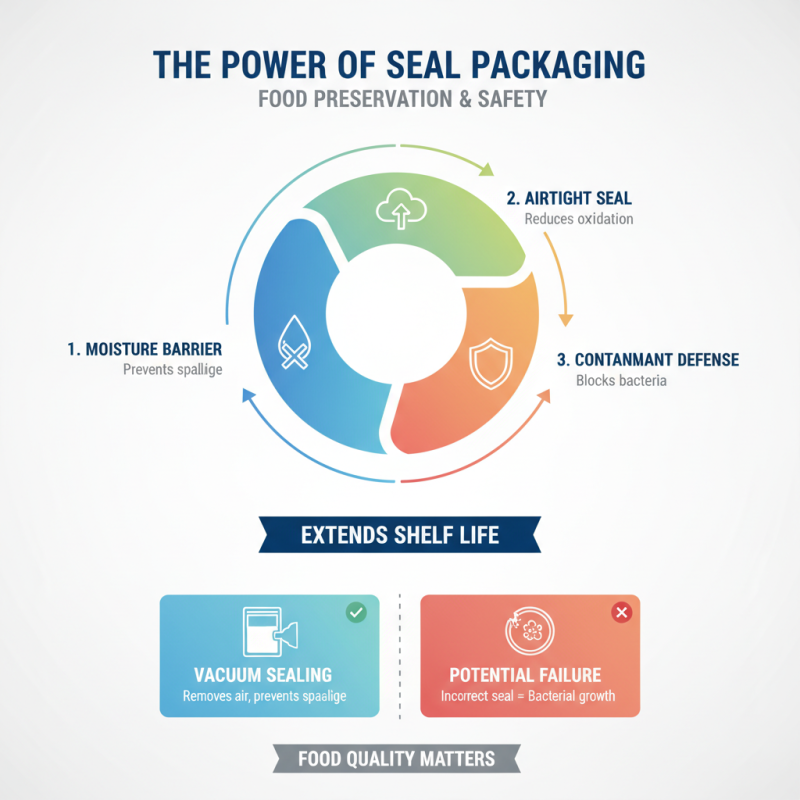
Seal packaging plays a crucial role in food preservation and safety. It creates a barrier against moisture, air, and contaminants. This technology helps extend shelf life significantly. For instance, vacuum sealing removes air from the package, preventing spoilage. This method is effective but can fail if not done correctly. Incorrect sealing can lead to bacteria growth.
Effective seal packaging also helps maintain quality. It locks in flavors and nutrients, keeping products fresh. However, not all sealing techniques offer the same level of protection. Some methods may allow tiny air pockets, affecting food quality. Users should be aware of these nuances. Understanding the limitations of various techniques can lead to better packaging choices.
Cost is another factor. High-quality sealing options may seem expensive upfront. However, they can save money in the long run by reducing waste. Investing in reliable seal packaging can ensure freshness and safety. Reflecting on one's choices is essential for better results. As consumers, we must prioritize our health and the quality of what we consume.
Key Materials Used in Seal Packaging Methods
Seal packaging techniques are essential for maintaining the freshness and safety of food products. Key materials play a critical role in these processes. Commonly used materials include polyethylene, polypropylene, and vacuum films. These materials provide a barrier against moisture and air, which can spoil products.
In a recent report, 64% of packaging professionals highlighted the importance of choosing the right materials for seal packaging. Polyethylene is widely preferred due to its flexibility. Polypropylene offers excellent clarity and strength. Both materials ensure the integrity of the seal, but they may not be suitable for all products. Consider testing different options.
Tips: Always evaluate the specific needs of your products. Research material properties and their interaction with contents. Not every method works equally well for different items. It's important to rethink failed projects. A small shift in material choice can lead to better results and reduced waste. Be open to trial and error; it is part of the innovation process.
2026 Best Seal Packaging Techniques for Food and Products
| Technique |
Material Used |
Applicability |
Environmental Impact |
| Vacuum Sealing |
Nylon/Polyester Laminates |
Meat, Vegetables |
Low |
| Heat Sealing |
Polyethylene |
Snacks, Dry Goods |
Moderate |
| Modified Atmosphere Packaging (MAP) |
Barrier Films |
Fresh Produce, Bakery |
Medium |
| Heat Shrink Wrapping |
PVC, Polyolefin |
Products for Retail |
High |
| Aseptic Packaging |
Composite Materials |
Liquid Foods, Sauces |
Low |
Innovative Technologies in Seal Packaging for Enhanced Durability
In recent years, innovative technologies have transformed seal packaging, enhancing durability for food and products. According to a report by Grand View Research, the global packaging market is expected to reach $975 billion by 2024, driven by advancements in sealing techniques. A notable trend is the adoption of vacuum sealing. This method effectively removes air, slowing down spoilage. However, it requires precise control to ensure a proper seal, which can be a challenge for some manufacturers.
Another key advancement is the use of multi-layered films. These films combine different materials to improve protection against moisture and oxygen. Studies have shown that multi-layer packaging can extend shelf life by up to 50%. Yet, not all materials are recyclable, raising environmental concerns. This presents a reflection point for companies striving for sustainability.
Smart packaging technologies are also gaining traction. Sensors embedded in the packaging can monitor freshness and alert consumers about the product's condition. Nonetheless, this technology can be costly and may not be feasible for all products. As the industry evolves, balancing innovation with practicality remains crucial.
Future Trends in Seal Packaging Solutions for Sustainable Practices
The future of seal packaging solutions relies heavily on sustainability. Innovative materials are emerging to minimize environmental impact. Biodegradable films and compostable materials are gaining popularity. These advancements promote circularity in the packaging process. However, many companies still struggle to transition fully. Cost factors and supply chain challenges persist.
Consumer awareness around sustainability is growing. People demand eco-friendly options. Brands must adapt to this shift or risk losing market relevance. Transparent packaging can also enhance consumer trust. It allows customers to see what they’re buying, emphasizing quality and safety.
Not all solutions are perfect. Some biodegradable materials still require specific conditions for breakdown. Education on proper disposal methods is crucial. Additionally, the balance between durability and eco-friendliness is often hard to achieve. Companies need to reflect on their packaging choices continually. Embracing sustainable practices is not just a trend; it's essential for future growth.