Top 2025 Trends for Plastic Bag Pouch You Need to Know
As we look towards the future, the role of plastic bag pouches is becoming increasingly pivotal in various industries. These versatile packaging solutions are not only essential for product safety and storage but are also evolving to meet the demands of sustainability and consumer preferences. In 2025, we expect to see impressive trends shaping the landscape of plastic bag pouches that will impact how businesses approach packaging.
One of the most significant trends will revolve around the innovation of materials used in manufacturing plastic bag pouches. With a growing emphasis on reducing environmental impact, companies will likely explore biodegradable and recyclable options that maintain functionality while facilitating eco-friendliness. Additionally, the technological advancements in production methods are expected to enhance the durability and usability of these pouches, making them more appealing to consumers.
Moreover, consumer awareness and preference will play a crucial role in the evolution of plastic bag pouches. As shoppers become more conscientious about their purchasing choices, the demand for ethically produced, sustainable packaging will rise. This shift will drive brands to adapt and innovate, ensuring that their plastic bag pouches align with contemporary values and expectations. Embracing these trends will not only enhance product appeal but also contribute to a more sustainable future in packaging.

Top Trends in Eco-Friendly Materials for Plastic Bag Pouch Production
As environmental concerns continue to rise, the demand for eco-friendly materials in the production of plastic bag pouches is becoming increasingly prominent. Manufacturers are now focusing on biodegradable and compostable alternatives that not only reduce plastic waste but also offer similar functionality to traditional plastic materials. Innovations in plant-based polymers, such as polylactic acid (PLA) and polyhydroxyalkanoates (PHA), are paving the way for sustainable production methods that do not compromise on durability or versatility.
Additionally, recycled materials are playing a crucial role in redefining plastic bag pouches. Utilizing post-consumer waste helps to close the loop in the materials lifecycle, significantly reducing the extraction of new raw materials and minimizing the carbon footprint associated with production. This trend promotes a circular economy, where waste is repurposed into new products, demonstrating a commitment to sustainability while catering to consumer preferences for environmentally responsible packaging solutions. As these eco-friendly materials gain traction, it reflects a growing awareness and demand for products that contribute positively to the environment, setting a new standard in the industry.
Top 2025 Trends for Plastic Bag Pouch You Need to Know - Top Trends in Eco-Friendly Materials for Plastic Bag Pouch Production
| Trend |
Description |
Eco-Friendly Material |
Projected Impact |
| Biodegradable Films |
Use of materials that break down naturally in the environment. |
PLA (Polylactic Acid) |
Reduces plastic waste and carbon footprint. |
| Recycled Materials |
Incorporation of recycled plastics in production. |
rPET (Recycled Polyethylene Terephthalate) |
Lowers demand for virgin plastic, promoting circular economy. |
| Plant-Based Materials |
Utilization of materials derived from renewable resources. |
Bio-polyethylene |
Enhances sustainability and resource efficiency. |
| Minimalist Design |
Focus on simple, efficient designs that reduce material use. |
Sustainable Nylon Alternatives |
Decreases waste and production costs. |
| Reusable Packaging |
Development of durable bags for multiple uses. |
Tencel or Cotton Blends |
Promotes consumer sustainability practices. |
Advancements in Technology Enhancing Plastic Bag Pouch Durability
The advancements in technology are transforming the landscape of plastic bag pouches, particularly in enhancing their durability. Modern manufacturing techniques, such as the use of advanced polymers and multi-layered constructions, are making these pouches more robust than ever. These new materials not only improve the strength and flexibility of plastic bag pouches but also increase their resistance to punctures and tears, ensuring that they can withstand a variety of external pressures without compromising their integrity.
Moreover, innovations in coatings and treatments are providing additional protective features, such as resistance to moisture and UV radiation. These enhancements extend the lifespan of plastic bag pouches, making them a more reliable option for consumers and businesses alike. As sustainability becomes a greater focus, these durable pouches are also designed to be more easily recyclable, thus aligning with modern environmental standards while maintaining their functionality. The integration of such technological advancements signifies a significant step toward more resilient, efficient, and eco-friendly packaging solutions.
Advancements in Technology Enhancing Plastic Bag Pouch Durability
Market Growth Projections for Plastic Bag Pouches by 2025
The market for plastic bag pouches is anticipated to witness significant growth by 2025, driven by evolving consumer preferences and an increasing demand for convenience in packaging solutions. As sustainability becomes a critical focus, manufacturers are innovating to create eco-friendly versions of plastic bag pouches, appealing to environmentally conscious consumers. This trend is not merely a response to regulatory pressures but reflects a shift in consumer behavior that favors products with a lower environmental impact.
Furthermore, advancements in packaging technology are enabling the production of lighter, stronger, and more efficient plastic bag pouches. These innovations not only enhance the usability of pouches but also contribute to cost reductions in manufacturing and logistics. As retail environments increasingly embrace flexible packaging solutions, the plastic bag pouch market is projected to expand rapidly. Analysts estimate that market growth will be fueled by sectors such as food and beverage, cosmetics, and e-commerce, where the demand for versatile and adaptable packaging formats is on the rise.
Consumer Preferences Driving Design Innovations in Plastic Bag Pouches
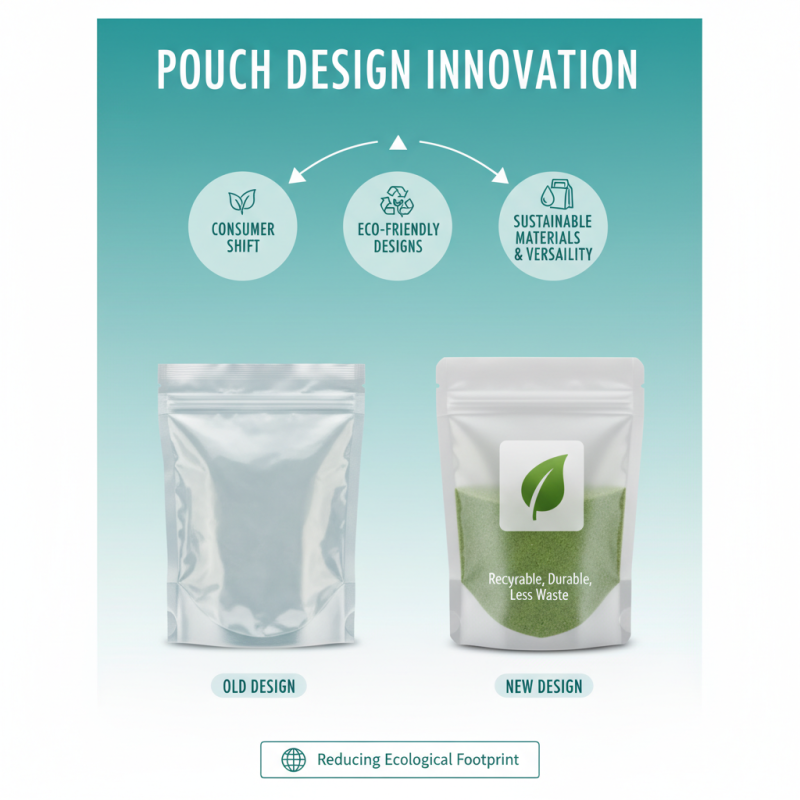
As consumer preferences evolve, the design of plastic bag pouches is undergoing significant innovation. Environmental awareness has become a crucial factor influencing consumer choices, prompting companies to adopt more sustainable materials and eco-friendly designs. This shift not only enhances aesthetic appeal but also aligns with the growing demand for products that reduce ecological footprints. The focus is on creating versatile pouches that cater to a variety of uses while minimizing waste, promoting durability and recyclability.
Moreover, the rise of personalized and customizable options reflects consumers' desire for unique packaging solutions that resonate with their individual styles. Brands are leveraging advanced printing technologies and innovative design features to create eye-catching graphics and functional elements that enhance user experience. This trend towards personalization not only helps brands stand out in a competitive market but also fosters a deeper connection with customers, who appreciate products that reflect their values and preferences. As these consumer trends continue to influence the market, we can expect to see ongoing advancements in the design and functionality of plastic bag pouches.
Regulatory Changes Impacting Plastic Bag Pouch Manufacturing Practices
In 2025, the landscape of plastic bag pouch manufacturing is poised for significant transformation, primarily driven by regulatory changes aimed at sustainability and environmental responsibility. Governments worldwide are implementing stricter regulations on plastic usage, necessitating manufacturers to comply with new standards that promote eco-friendly materials and production processes.
This shift not only impacts the types of materials used but also influences the design requirements for plastic bag pouches, pushing manufacturers to innovate and adopt greener practices.
These regulatory changes are not merely challenges; they present opportunities for manufacturers to enhance their market appeal and meet consumer demand for sustainable products. Companies that proactively align their practices with these regulations can benefit from enhanced consumer loyalty and competitive advantages. Furthermore, investment in research and development for biodegradable alternatives and recyclable materials will likely play a crucial role in the ongoing evolution of the plastic bag pouch industry, paving the way for a more sustainable future in packaging solutions.